hmmm, a good brandNakagawa Masashichi ShotenFASHIONLIVINGFIELDTASTEMY ACCOUNT

Questions asked about 나카가와상점(Nakagawa Masashichi Shoten) and their answers. Each answer is linked to its source.

Nakagawa Masashichi ShotenKitchenToolNMS-26

What role does the 'deer tail knitting' net mentioned in the description play?

They want to know what role the unfamiliar knitting method described in the net sponge guide actually plays in foam generation or cleaning.

[나카가와상점] 네트 스폰지
hmmm editorial answer

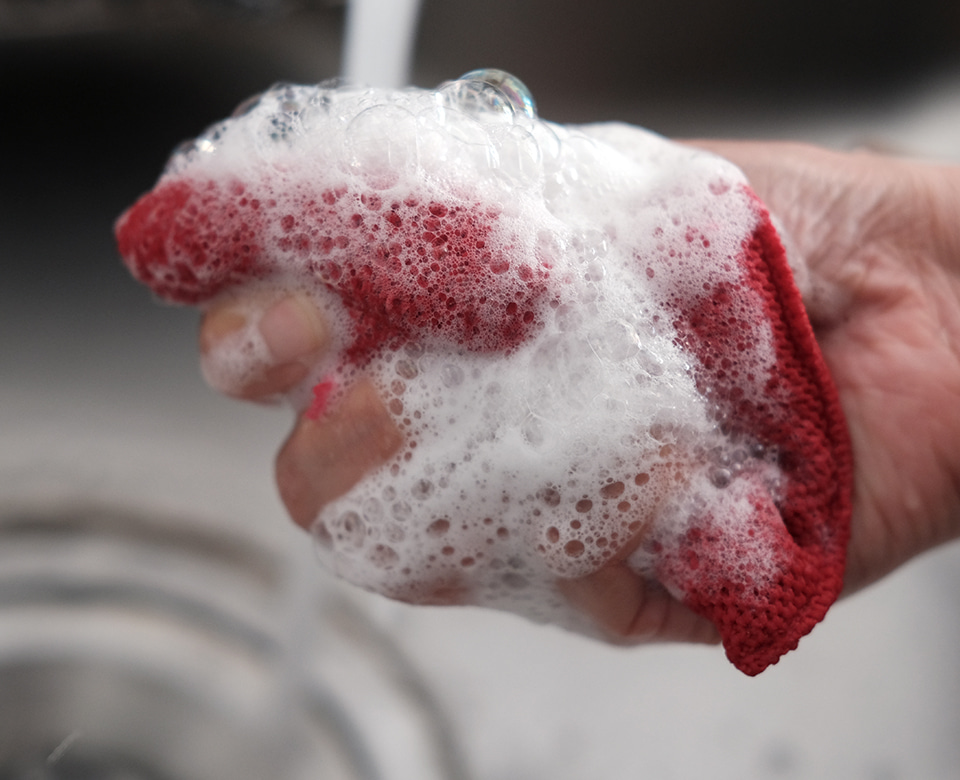
The gaps within the knit made with the deer tail knitting method generate rich foam and gently wipe tableware.

Nakagawa Masashichi ShotenKitchenToolNMS-24

What materials are in the 3-layer structure of The Cooking Paper, and how are they bonded?

The structure and safety of the paper used to wipe away oil or moisture during cooking are of interest. Since it comes into contact with food that goes into the mouth, one wants to confirm what fibers were used and how they were bonded without adhesives.

[나카가와상점] 더 쿠킹 페이퍼
hmmm editorial answer

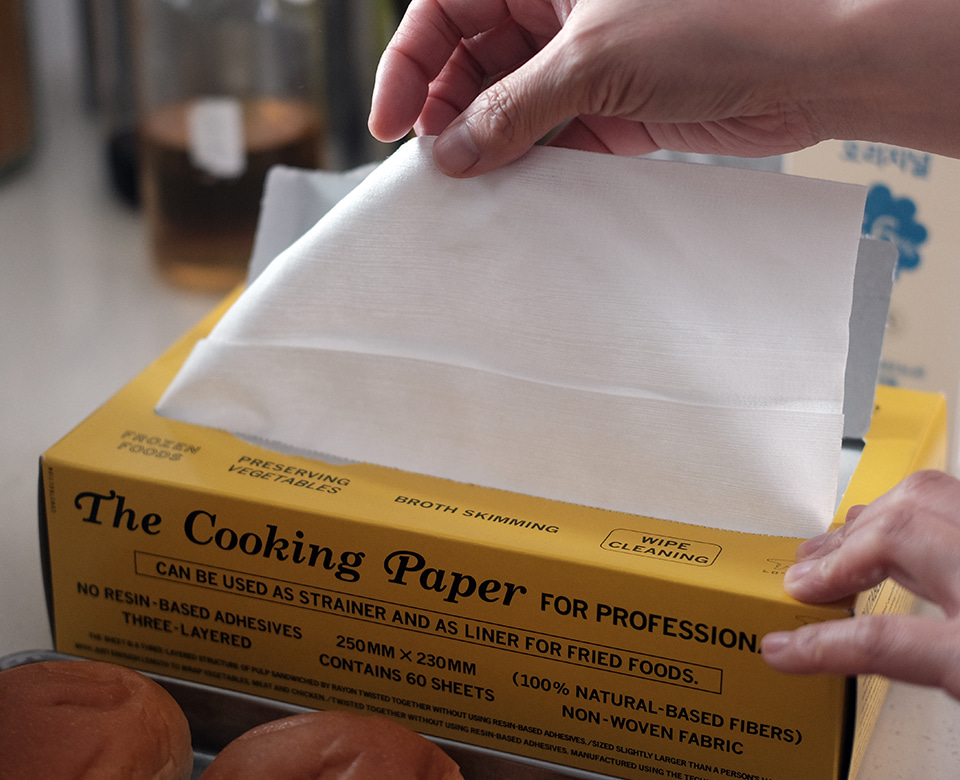
The Cooking Paper has a 3-layer nonwoven fabric structure bonded by weaving modified cellulose-based pulp with rayon without using resin-based adhesives.

Nakagawa Masashichi ShotenKitchenToolNMS-23

What kind of processing is the 'starched finish' mentioned in the mosquito net dishcloth description, and why must it be washed before first use?

This question arises when you want to use a new dishcloth right away but encounter a product description stating it has a starched finish and should be washed first. We have compiled the meaning of this unfamiliar processing method and the reason it must be washed before it can finally be used.

[나카가와상점] 5중 스트라이프 행주
[나카가와상점] 8중 무지 행주
hmmm editorial answer

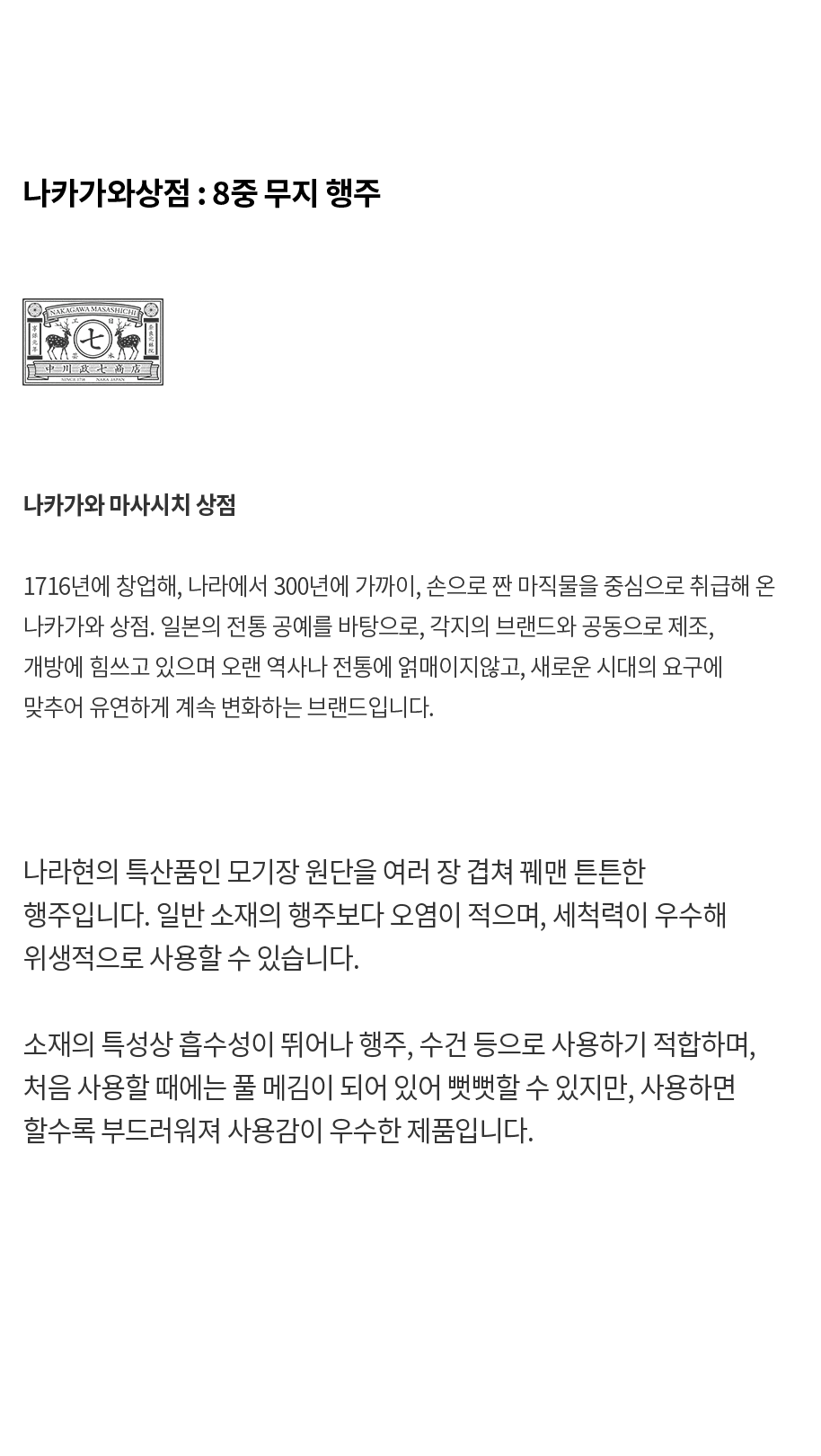
The starched finish is a treatment where starch is applied to stiffen and shape the fabric, so the starch must be washed out with water to bring out the fabric's original softness and absorbency.

Nakagawa Masashichi ShotenKitchenToolNMS-7

Why shouldn't a carpet roll tape cleaner be used on regular wooden floors or tatami mats?

When cleaning the house, it is tempting to roll a tape cleaner regardless of the flooring material. The product instructions state that use on wooden floors and tatami mats is prohibited, making one wonder why.

[나카가와상점] 카펫 롤 테이프 클리너
hmmm editorial answer

Because it uses a synthetic rubber adhesive to remove fiber dust and therefore has strong adhesiveness, the tape can stick to smooth floors or tatami surfaces and damage them.

Nakagawa Masashichi ShotenKitchenToolNMS-3

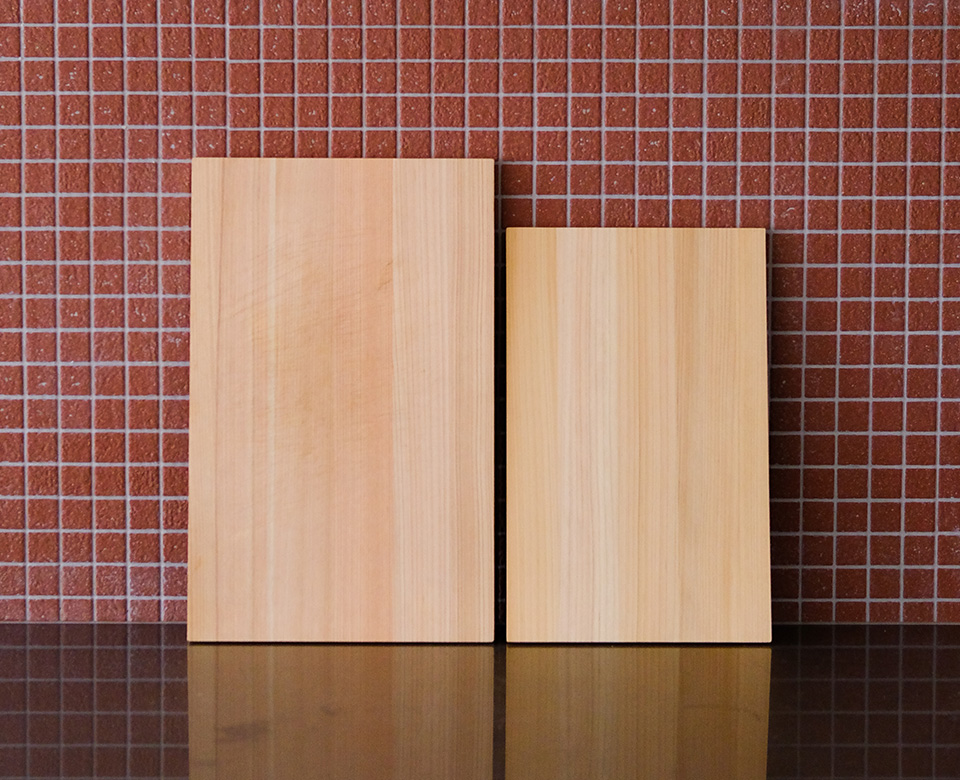
Oil is seeping out onto the surface of the hinoki cutting board; can I still use it as is?

Seeing greasiness on the surface of the cutting board makes it easy to worry about contamination or deterioration. It is a moment when you are unsure whether to wash it off with detergent or go ahead and cut food on it as is.

[나카가와상점] 슬림 히노키 도마 (식기세척기O / 2size)
hmmm editorial answer

It is not contamination, but a phenomenon where the hinoki's own natural oil surfaces, and because it plays a role in suppressing the proliferation of bacteria, you can safely use it as is.

Nakagawa Masashichi ShotenKitchenToolNMS-2

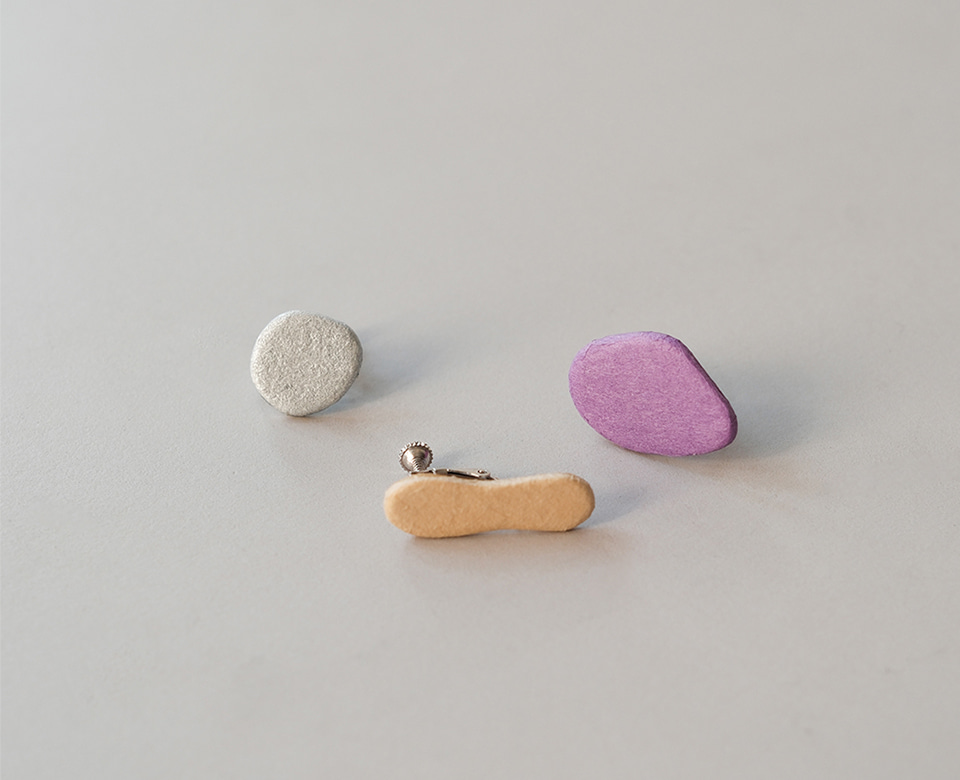
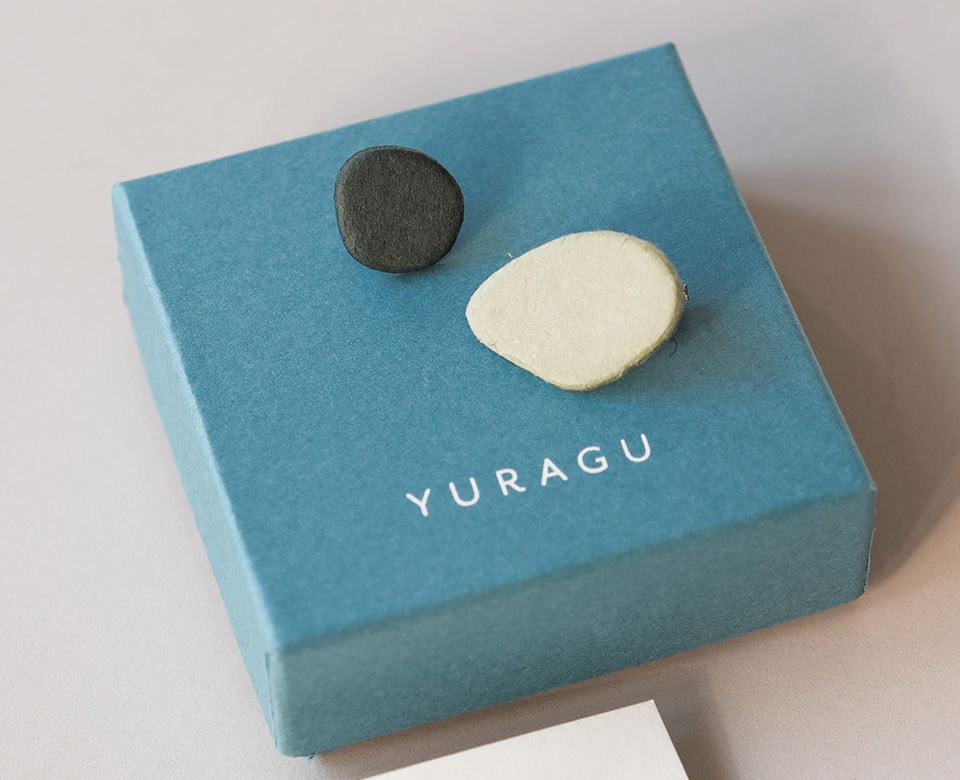
What makes clip-on earrings made of paper comfortable when actually worn?

When seeing jewelry made of paper for the first time, it is not easy to gauge its fit or practicality. Compared to metal jewelry, one wonders what advantages it offers when worn in daily life.

[나카가와상점] YURAGU 귀찌
hmmm editorial answer

Weighing at most 1.6g per piece, you barely feel any fatigue from the weight even after wearing it on your ear all day.

Nakagawa Masashichi ShotenKitchenToolNMS-1

What kind of process is the 'medome' (sealing) mentioned in the descriptions of earthenware vessels or rice cookers?

When acquiring ceramic tableware or cooking utensils, you often come across instructions to go through medome before using them for the first time. As it is an unfamiliar term, it makes you want to check exactly what the process is and why it is necessary.

[나카가와상점] 시가라키야키 면기 700ml
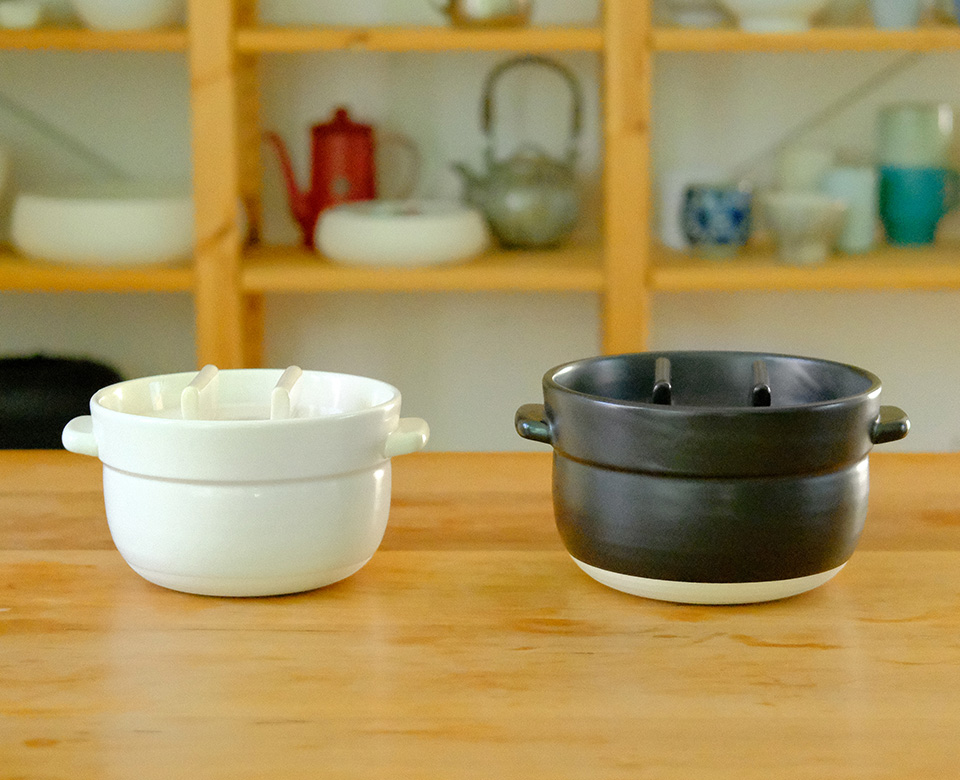
[나카가와상점] 카모시카 도구점 밥솥
hmmm editorial answer

Medome is a preliminary preparation process that fills the microscopic pores on the rough clay surface with starch to help prevent food from soaking in or causing stains and mold.