hmmm, a good brandFASHIONLIVINGFIELDTASTELABsMY ACCOUNT

You can browse Q&A Cards and Product Notes created in the Taste category through a keyword index.

syubisya PRINTING lab シュビシャ プリンティング ラボSPL-21

How were the papers divided and used for the cover and body pages of the photobook 『horizon horizon horizon』?

255kg-thick 気包紙GL-FS (Kihoushi GL-FS) was used for the cover, and 135kg OK金藤 (OK Kanefuji), a glossy art paper, was used for the body pages.

The papers used for the exterior and interior are different. The cover uses 255kg 気包紙GL-FS (Kihoushi GL-FS), and the interior body pages use 135kg glossy art paper OK金藤 (OK Kanefuji). The paper specifications for this photobook revealed by syubisya PRINTING lab are these two types of paper.
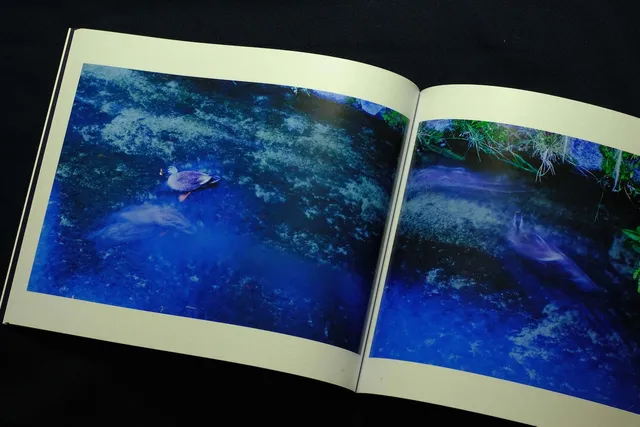
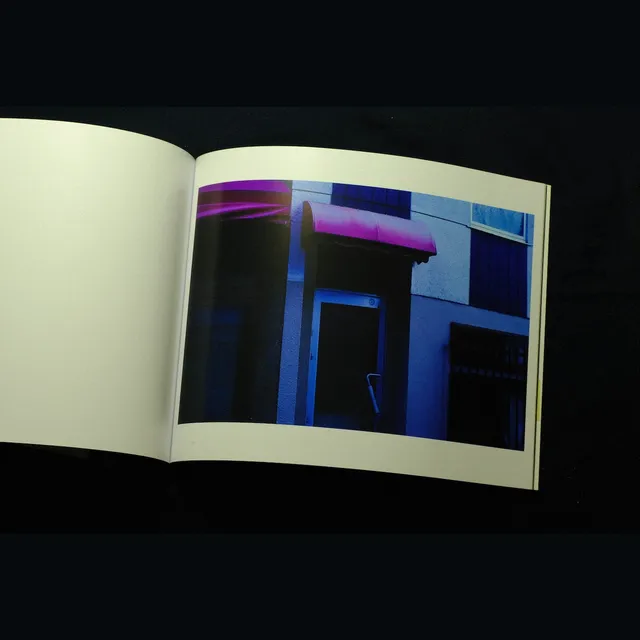
Kazutaka Sakai Photo Book "horizon horizon horizon"

This A6-size planner features a brown cover with gold foil accents and thin, light Tomoe River paper thread-stitched together. It opens flat to 180 degrees and is structured to record daily life every day for 5 years from 2027 to 2031. It includes a dark brown ribbon bookmark so you can quickly find your desired date and write.

  1. A format that holds 5 years of daily life

    An A6-size Japanese version planner that holds 5 years of records in one book, from 2027-01-01 to 2031-12-31.

  2. 180-degree lay-flat binding and paper

    Using thread-stitch binding, it opens flat to 180 degrees. For its inner pages, it uses Tomoe River paper, which is thin, light, and holds ink well.

  3. Gold foil accented cover and ribbon bookmark

    Gold foil press accents are added to a warm, calm brown cover. Attached with a dark brown ribbon bookmark, it is convenient for marking where you were writing.

Hobonichi 5-Year Techo Japanese Book (2027-2031) A6 Size photo 1/4
Hobonichi 5-Year Techo Japanese Book (2027-2031) A6 Size photo 2/4
Hobonichi 5-Year Techo Japanese Book (2027-2031) A6 Size photo 3/4
Hobonichi 5-Year Techo Japanese Book (2027-2031) A6 Size photo 4/4

This A5-size planner uses Tomoe River paper bound with thread stitching so that it opens completely flat to 180 degrees. It features a warm brown cover accented with gold foil stamping and comes with a dark brown ribbon bookmark. You can record 5 years of entries in a single volume, from 2027-01-01 to 2031-12-31.

  1. A layout that holds 5 years of records

    This is an A5-size Japanese edition that holds 5 years of records in a single volume, from 2027-01-01 to 2031-12-31.

  2. Thread-stitched binding that opens flat to 180 degrees

    The inner pages are made with Tomoe River paper, and the thread-stitched binding allows the book to open completely flat to 180 degrees.

  3. Cover accented with gold foil and a bookmark

    The warm brown cover is accented with gold foil stamping and includes a dark brown ribbon bookmark.

Large Hobonichi 5-Year Techo Japanese Book (2027-2031) A5 Size photo 1/4
Large Hobonichi 5-Year Techo Japanese Book (2027-2031) A5 Size photo 2/4
Large Hobonichi 5-Year Techo Japanese Book (2027-2031) A5 Size photo 3/4
Large Hobonichi 5-Year Techo Japanese Book (2027-2031) A5 Size photo 4/4

syubisya PRINTING lab シュビシャ プリンティング ラボSPL-18

How is the "digital press RGB output" listed in the photo book's specifications different from ordinary printing?

Unlike ordinary printing methods, it is an output that reproduces the monitor's color gamut using inkjet equipment to delicately bring to life the blue air of the dawn scenery in the photos.

Ordinary paper printing mixes four color inks (CMYK), but this photo book chose the digital RGB method. Ordinary printing is made by overlapping four colors—cyan, magenta, yellow, and black—and in this process, the wide color gamut of a screen expressed through light inevitably narrows.

Kazutaka Sakai Photo Book "horizon horizon horizon"

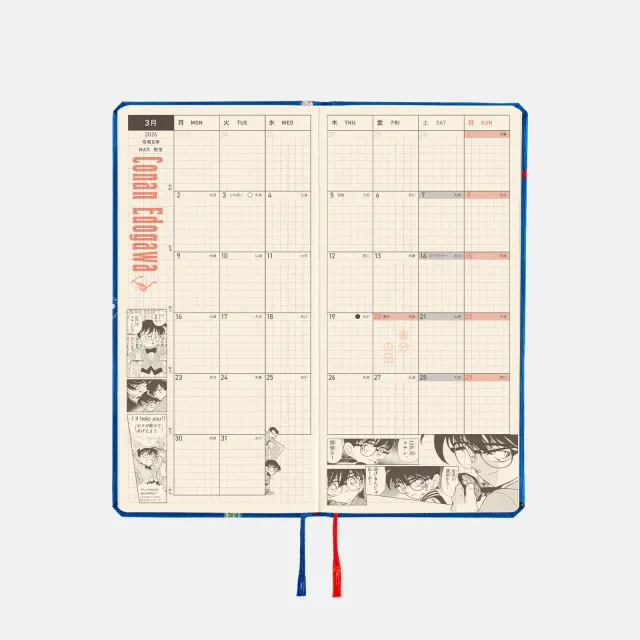
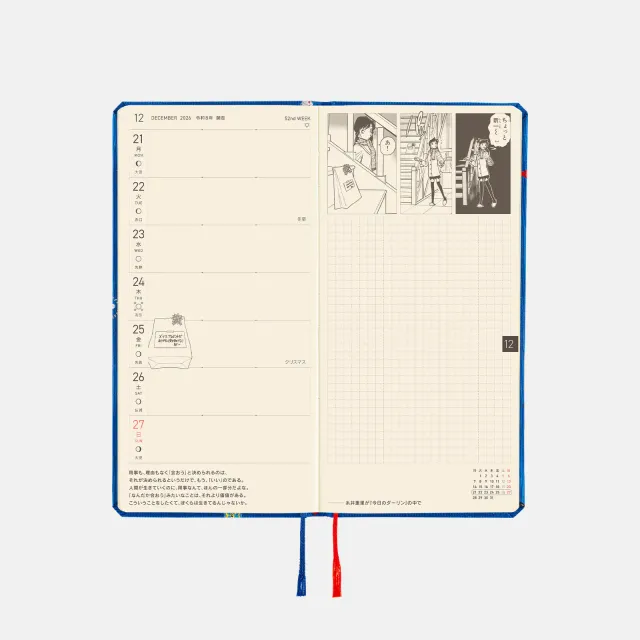
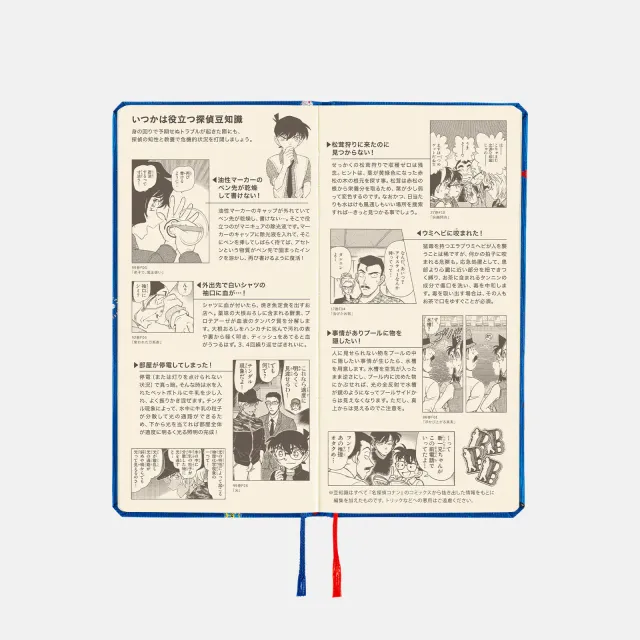
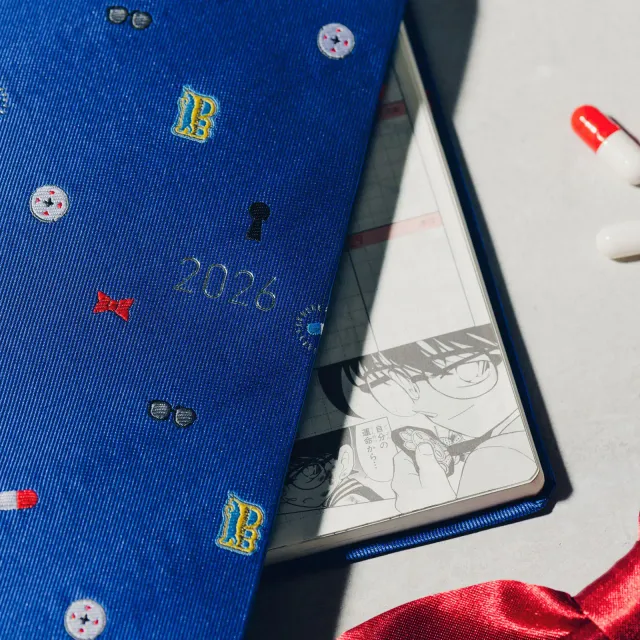
This is a hardcover weekly planner featuring a blue necktie fabric cover woven with silver thread in an antidote motif. The inner pages use thin, light Tomoe River paper that absorbs ink well, and it includes 62 pages of grid memo pages along with 7 pages of exclusive bonus material. Equipped with a dedicated pencil board featuring a top tab and two bookmark ribbons, it is convenient for easily managing weekly schedules.

  1. A cover reflecting character settings

    Wrapped in blue necktie fabric in the color of Conan's jacket, the APTX4869 antidote motif is woven with silver thread.

  2. Exclusive bonus and inner page specifications

    Thin, light Tomoe River paper that absorbs ink well is used for the inner pages. Along with 62 pages of grid memo pages, it includes 7 pages of special bonus material exclusive to this edition.

  3. Components featuring elements from the work

    The dedicated pencil board with a Stun-Gun Wristwatch motif includes 1mm markings and a tab to mark today's date. Two bookmark ribbons in blue and red are also provided.

Detective Conan: Conan Motifs Weeks Hardcover Book photo 1/4
Detective Conan: Conan Motifs Weeks Hardcover Book photo 2/4
Detective Conan: Conan Motifs Weeks Hardcover Book photo 3/4
Detective Conan: Conan Motifs Weeks Hardcover Book photo 4/4

Hobonichi ほぼ日HOB-11

Why do dark spots appear on the surface of the leather cover?

They are natural marks that occur during the tanning and dyeing process of natural leather when components in the material react with iron in the air.

When you unpack the product and take it out, scattered dark spots on the leather surface may catch your eye first. Hobonichi leather covers are made from natural leather without heavy surface processing. In addition to wrinkles, blood vessel marks, and fine scratches remaining on the raw material, black dot-like spots can also form during tanning and dyeing as leather components react with iron in the air.

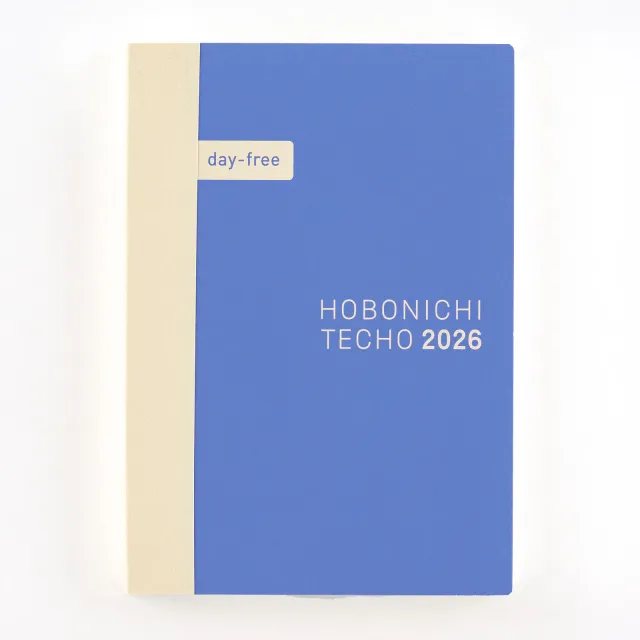
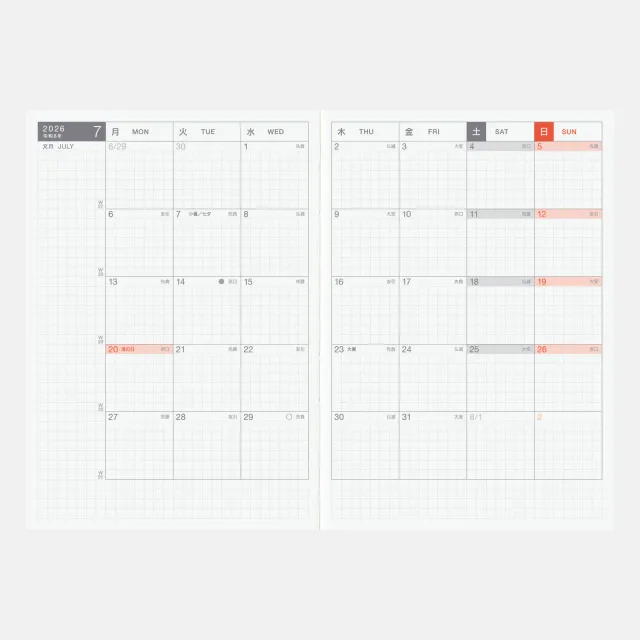
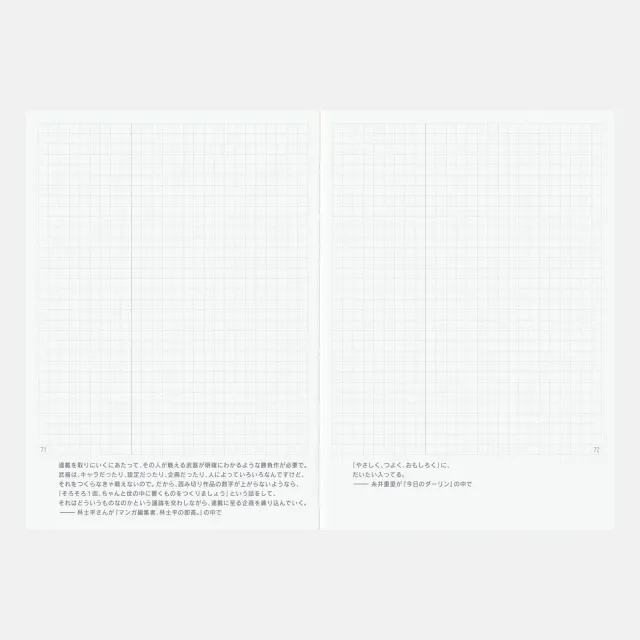
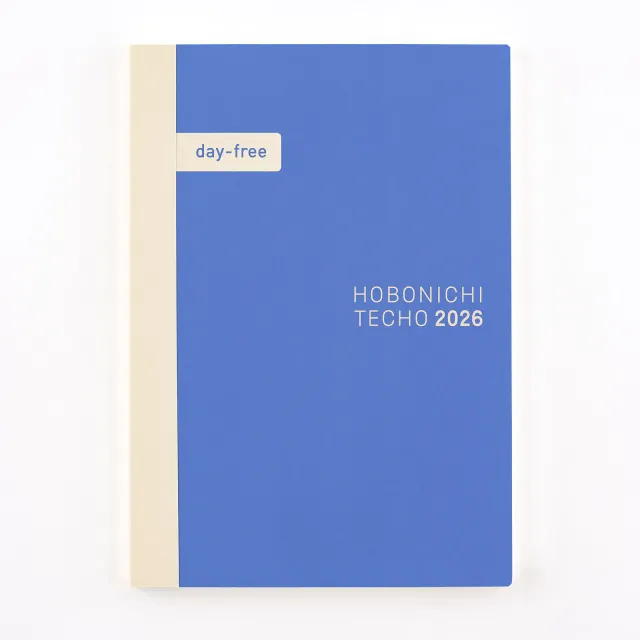
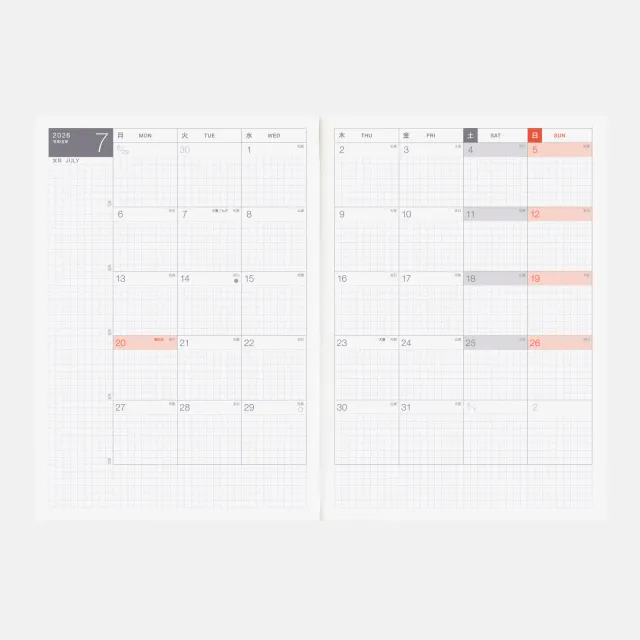
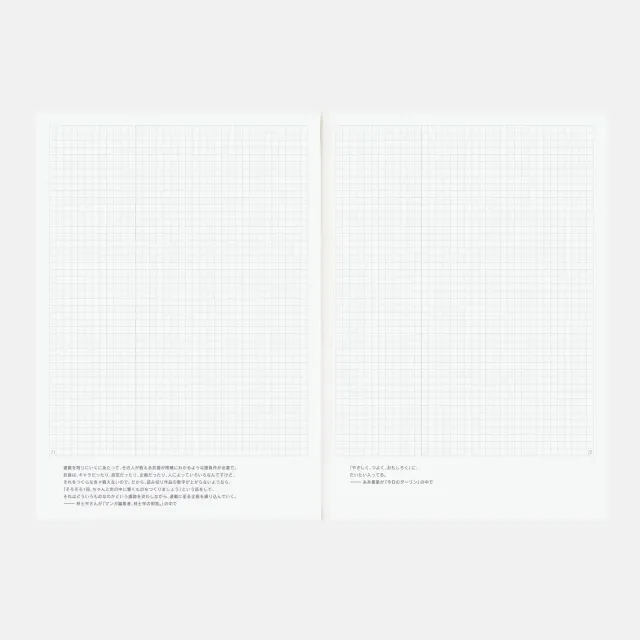
Using Tomoe River paper and adopting thread-stitch binding used in dictionaries, it opens completely flat. It consists of a January-start monthly calendar and 171 pages of numbered 3.7mm grid notebook pages. It is an A6-size notebook for comfortably recording writings and thoughts without having to press it down with your hands.

  1. Thread-stitch binding that opens flat

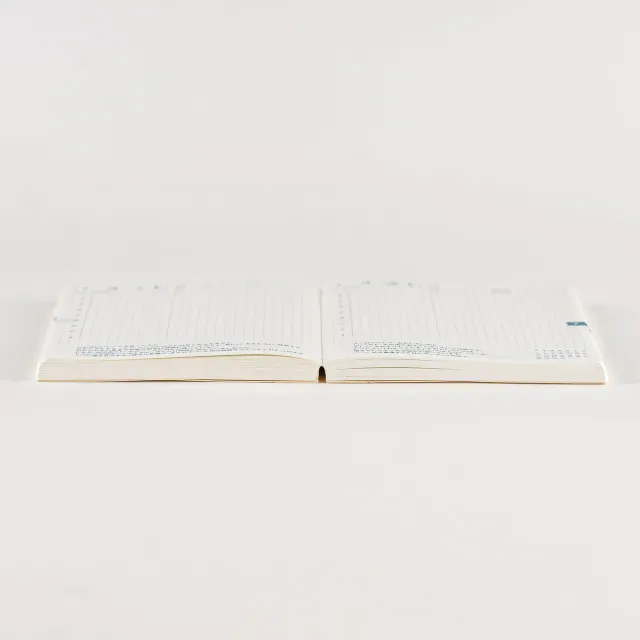
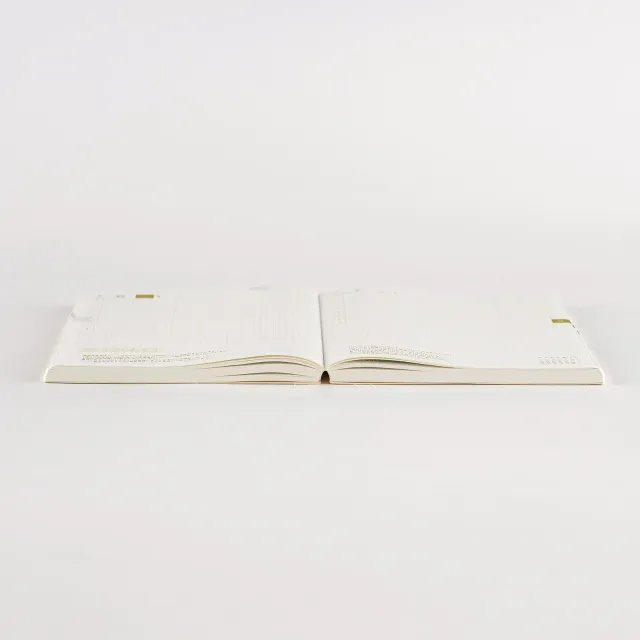
    Adopting the same thread-stitch binding method used in dictionaries, it opens flat without having to hold it down by hand.

  2. Grid pages with page numbers

    It contains 171 pages of blank grid notebook pages with a 3.7mm grid, and each page is numbered.

  3. Uses Tomoe River interior paper

    Using Tomoe River paper for the main pages, it evenly supports writing.

Hobonichi Techo 2026 Japanese Day-Free Book (January Start) A6 size photo 1/4
Hobonichi Techo 2026 Japanese Day-Free Book (January Start) A6 size photo 2/4
Hobonichi Techo 2026 Japanese Day-Free Book (January Start) A6 size photo 3/4
Hobonichi Techo 2026 Japanese Day-Free Book (January Start) A6 size photo 4/4

Made with thin, durable Tomoe River paper, this book has a 10mm thickness and a light weight of approximately 260g. The front section contains monthly calendars from 2025-12 to 2027-03, while the back section is divided into 171 numbered pages of 3.7mm grid notebook. By applying dictionary-style stitch binding, it opens flat on the floor or surface when turned, allowing you to manage schedules and keep freeform records together.

  1. Separation of monthly schedule and free notes

    It is clearly divided into two sections: monthly calendars covering 2025-12 to 2027-03 and 171 pages of grid notebook. You can leave long records on any day you want without being constrained by the size of daily boxes.

  2. Stitch binding designed for lay-flat opening

    Applying the stitch binding method used in dictionary making, it lies flat on the floor without lifting when opened. It stays open without being held down by hand, providing a stable surface for writing.

  3. Use of lightweight Tomoe River paper

    Using thin yet sturdy Tomoe River paper, it maintains a 10mm thickness and a weight of approximately 260g despite its A5 size. You can carry around a large writing surface without burden.

Hobonichi Techo 2026 Japanese Day-Free Book (January Start) A5 size photo 1/4
Hobonichi Techo 2026 Japanese Day-Free Book (January Start) A5 size photo 2/4
Hobonichi Techo 2026 Japanese Day-Free Book (January Start) A5 size photo 3/4
Hobonichi Techo 2026 Japanese Day-Free Book (January Start) A5 size photo 4/4

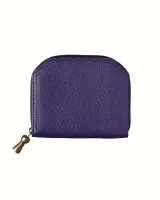
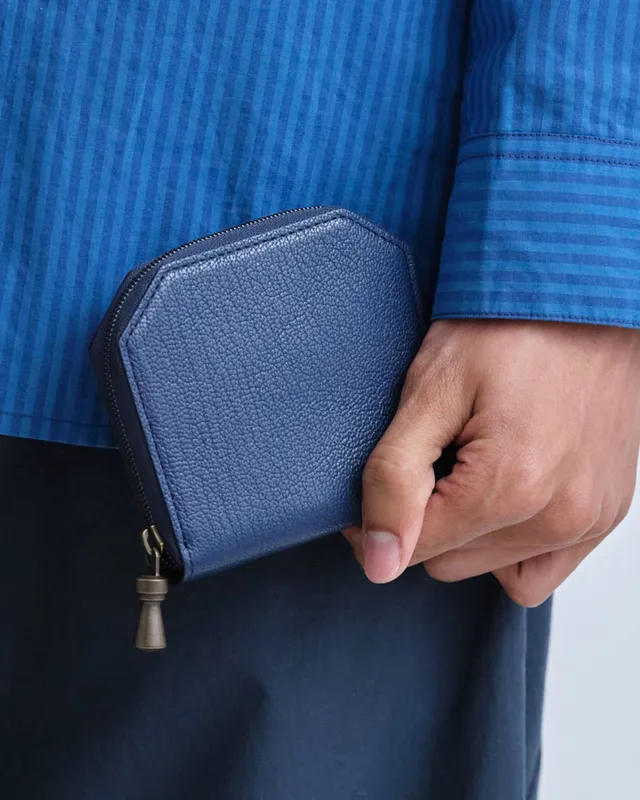
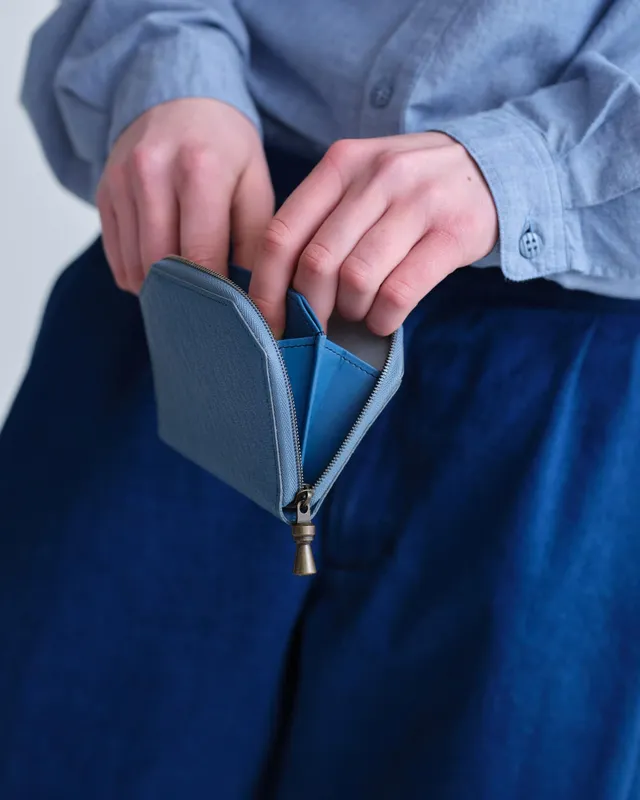
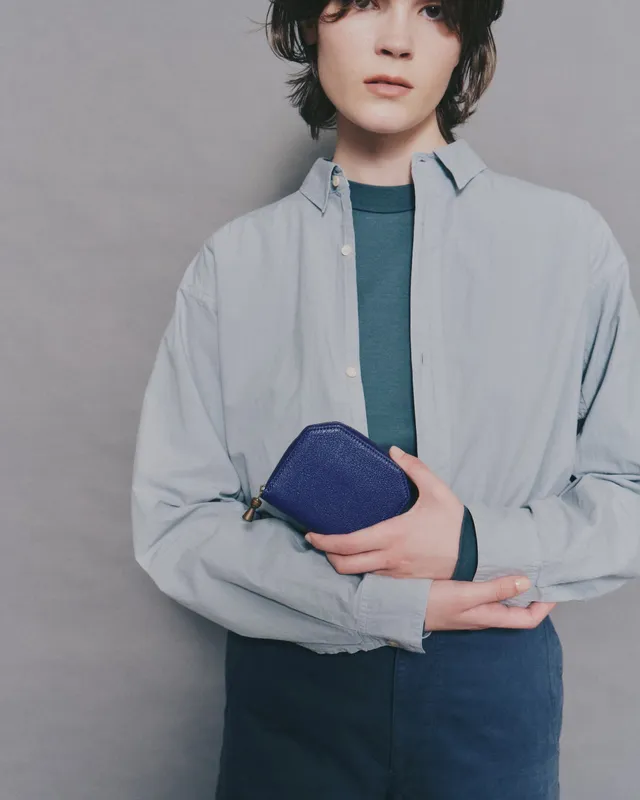
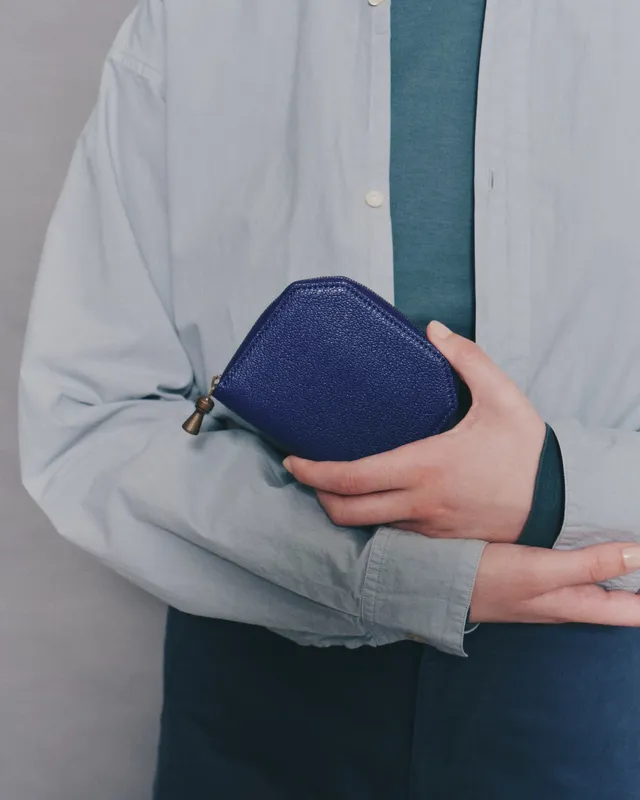
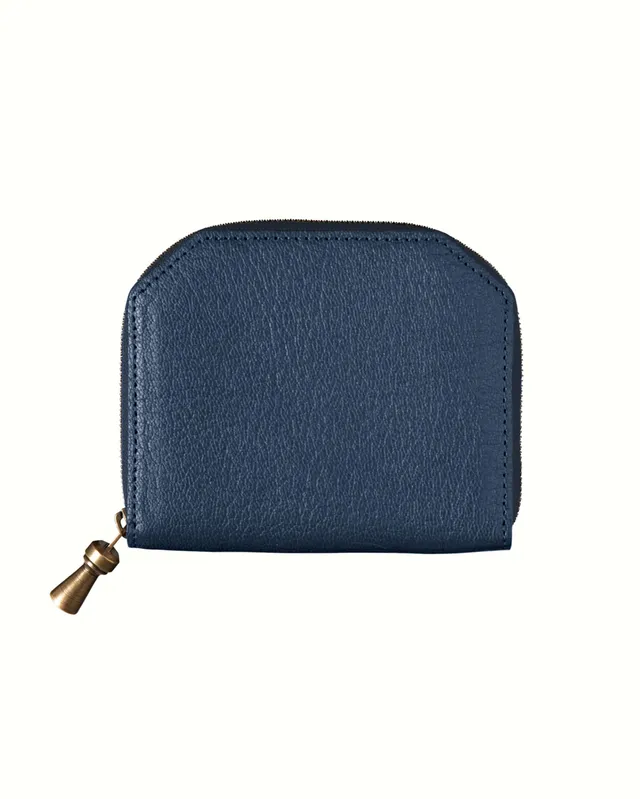
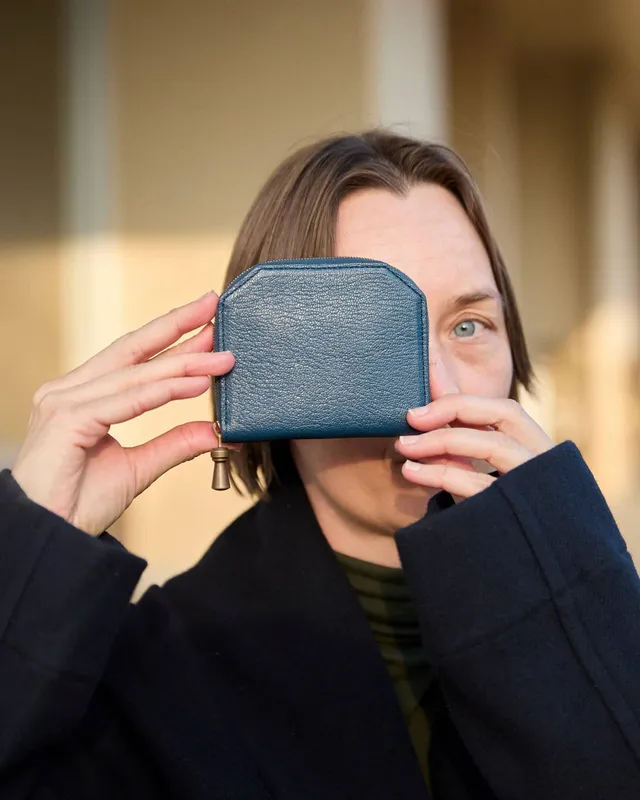
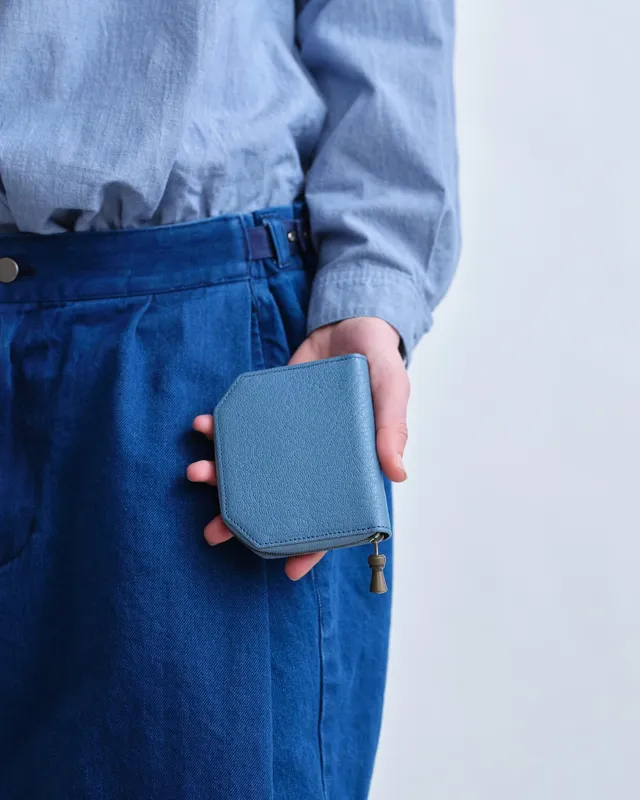
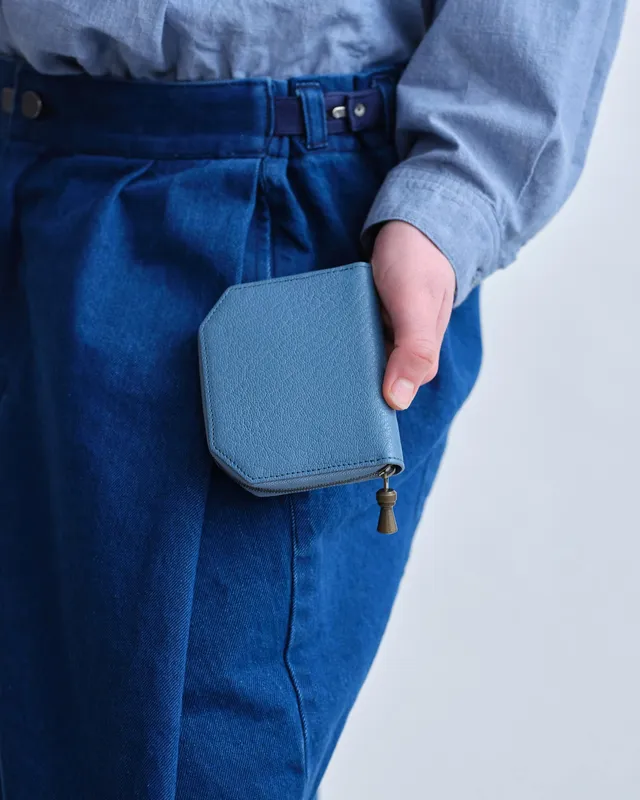
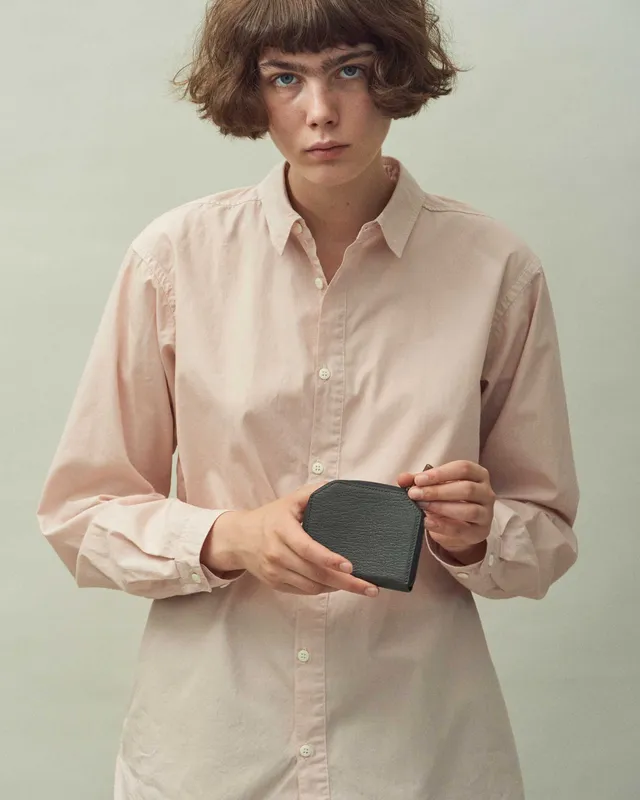
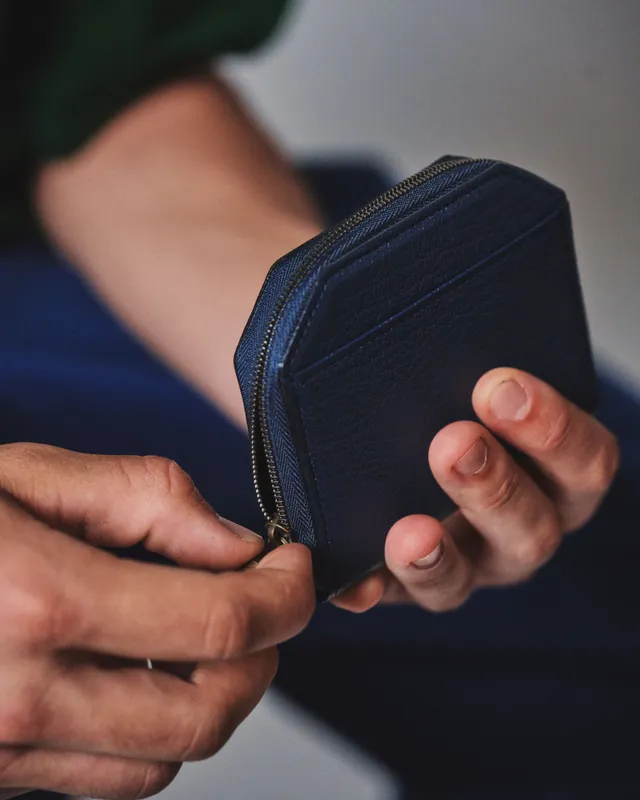
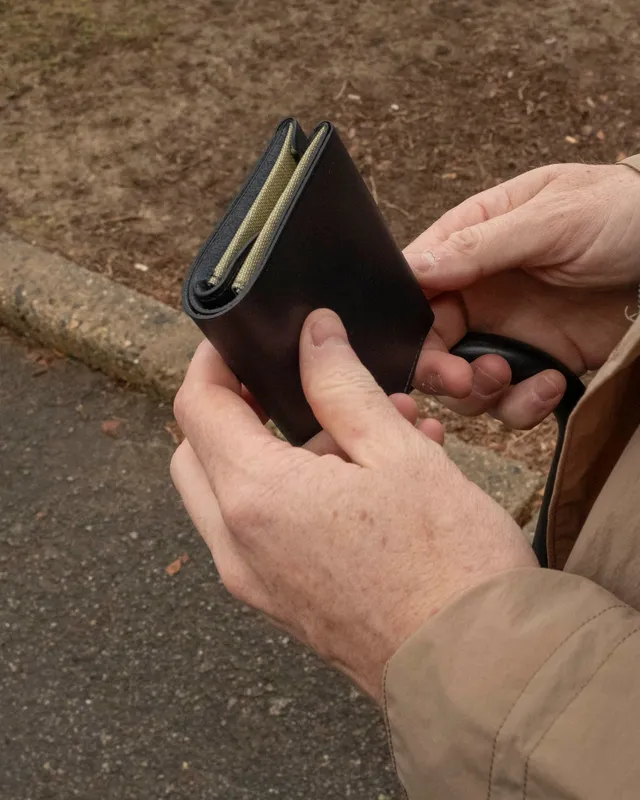
This is a zippered wallet made of Geology goatskin, calfskin, and pigskin leather, fitted with a brass zipper pull. Opening the zipper reveals five pockets that spread wide open. It is used when organizing 20 or more cards, bills, and receipts separately.

  1. Storage structure divided into five sections

    With five pockets that spread wide open, it can hold 20 or more cards. It is suitable for storing cards, bills, and receipts divided section by section.

  2. Different leathers tailored to three parts

    Along with Geology goatskin on the outside, vegetable-tanned calfskin leather is used on the inside. The inner lining is backed with pigskin that has not been treated with pigment or varnish.

  3. Carved brass zipper pull

    It is fitted with an original specification zipper pull carved from brass, modeled after the shape of a tea utensil lid knob.

Kettle Zipper Wallet Small photo 1/4
Kettle Zipper Wallet Small photo 2/4
Kettle Zipper Wallet Small photo 3/4
Kettle Zipper Wallet Small photo 4/4

POSTALCO ポスタルコPO-26

Do bills need to be folded to go into the bill compartment of the Card & Coin Wallet, or can they be inserted unfolded?

It is designed to fit a Japanese JPY 10,000 bill snugly, so you can insert bills unfolded as they are without having to fold them separately.

It is sized to fit a single 10,000-yen bill snugly. You can choose to insert bills unfolded without having to fold them. A common concern when using a small wallet is the hassle of having to fold bills two or three times, but POSTALCO's Card & Coin Wallet is sized to fit in your hand while its compartment is structured to let you insert bills fully unfolded.

Card & Coin Wallet
Card & Coin Wallet
Card & Coin Wallet
Card & Coin Wallet

POSTALCO ポスタルコPO-22

Why use a toothbrush when applying cream to textured leather?

POSTALCO uses a toothbrush when applying cream to textured leather so that it can be spread evenly without stains into the fine crevices.

Wiping with a cloth only grazes the surface, but bristles reach inside the recessed grooves. Leather with a bumpy texture on the surface, such as cross-grain leather, has a different grain compared to flat leather. In general, textured leather has raised and recessed areas, so if you rub it only with a cloth, the cream easily fails to reach into the recessed gaps or clumps in one spot, leaving stains.

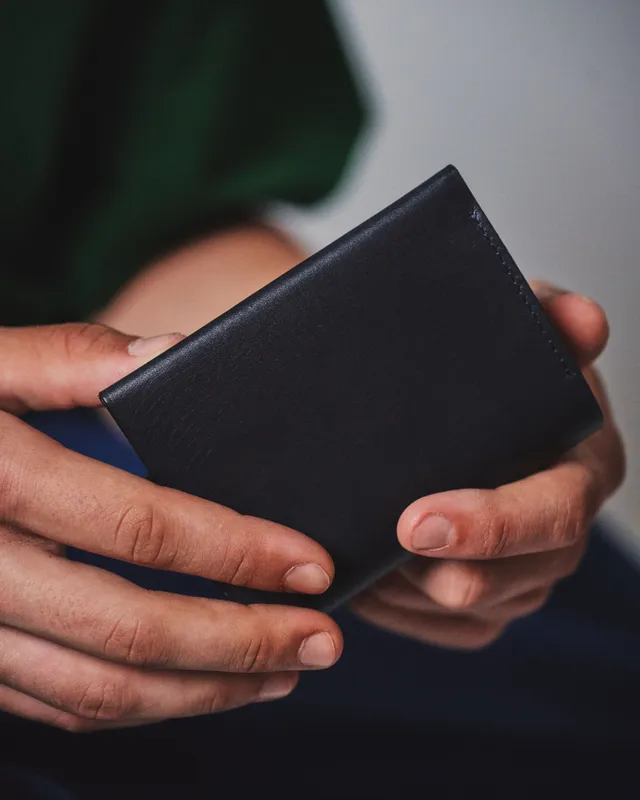
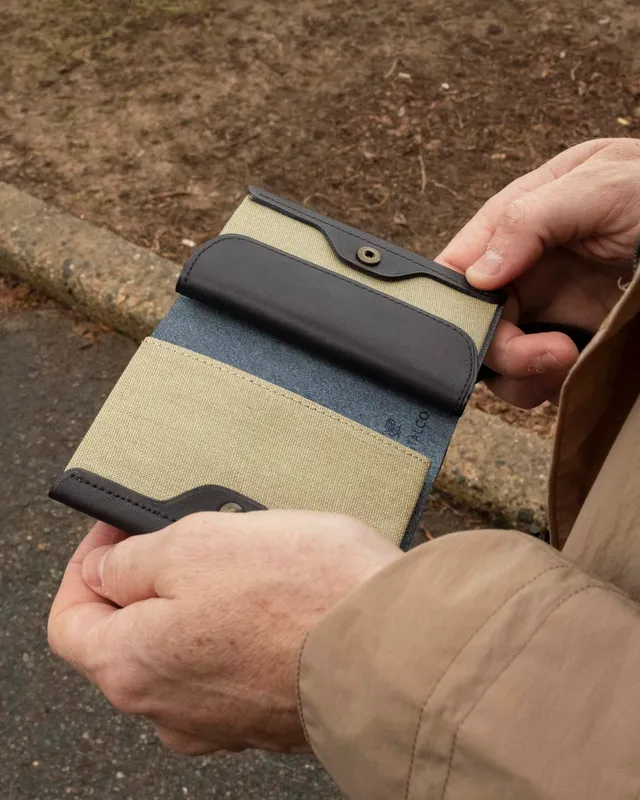
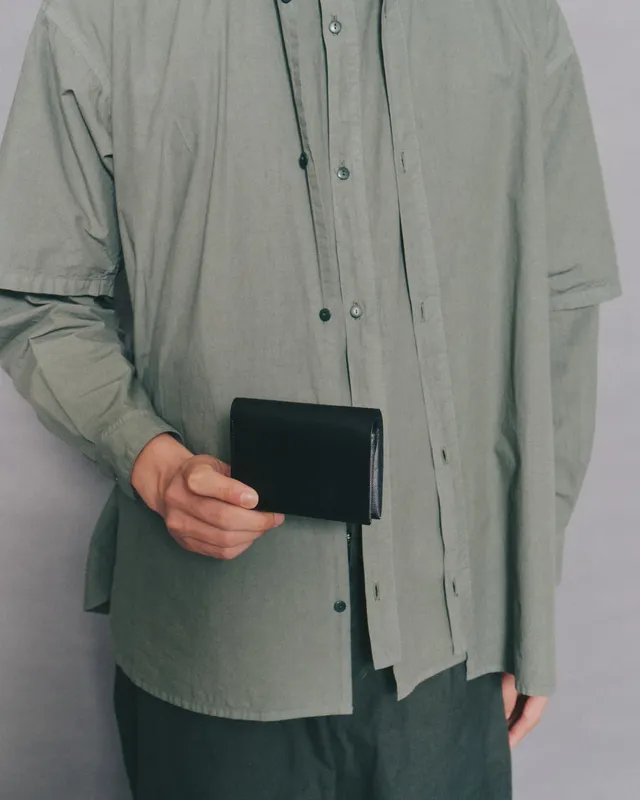
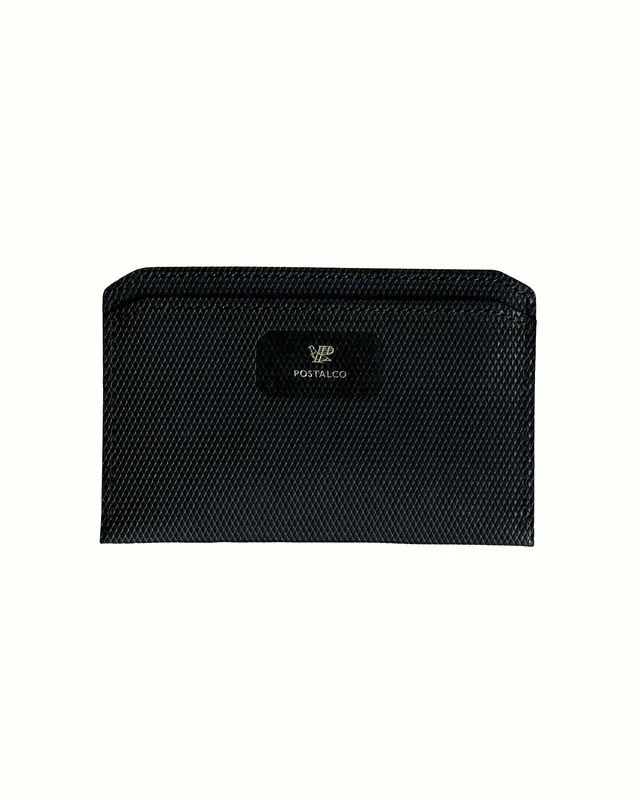
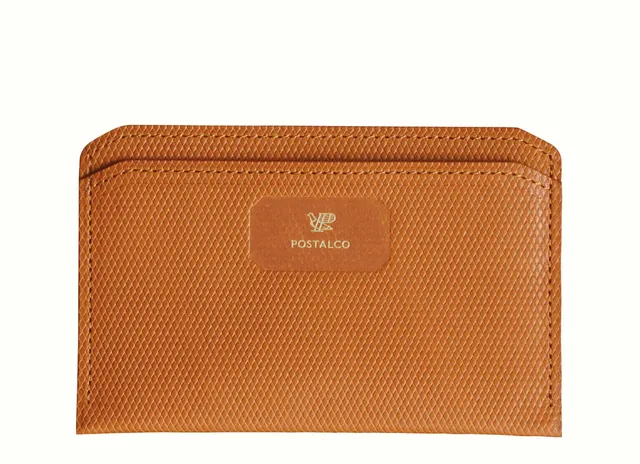
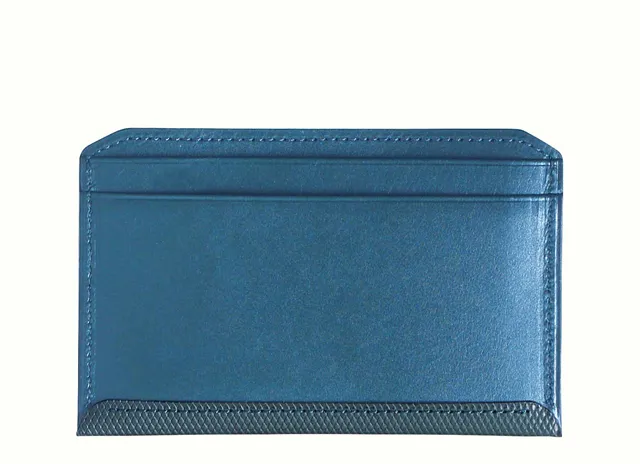
This wallet is crafted in Japan by combining 3 types of leather: cross-grain leather, vegetable-tanned cowhide, and pigskin lining. In 4 pockets, you can separately store about 10 cards, business cards, and bills folded 4 times. With its slim volume, it is easy to carry neatly in a pocket or bag.

  1. Combination of three leathers

    Cross-grain leather is used on the exterior, while vegetable-tanned cowhide and pigskin lining are used on the interior.

  2. Four storage pockets

    Composed of 4 pockets, it can separately hold about 10 cards, business cards, and bills folded 4 times.

  3. Hand-finished edge details

    Every product is made in Japan, with cut leather edges directly trimmed and polished by hand for finishing.

Crossgrain Leather Flat Wallet photo 1/4
Crossgrain Leather Flat Wallet photo 2/4
Crossgrain Leather Flat Wallet photo 3/4
Crossgrain Leather Flat Wallet photo 4/4

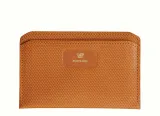
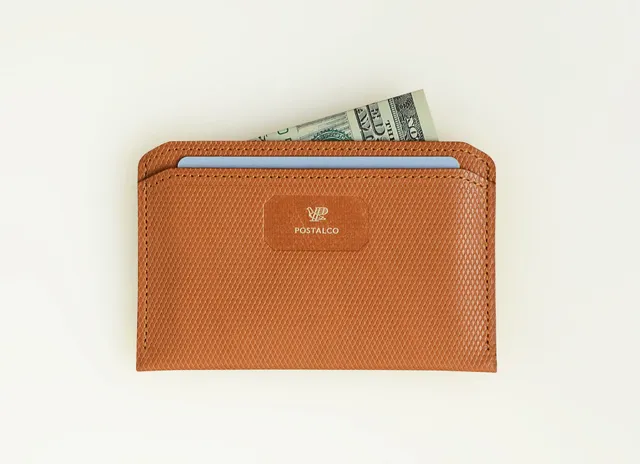
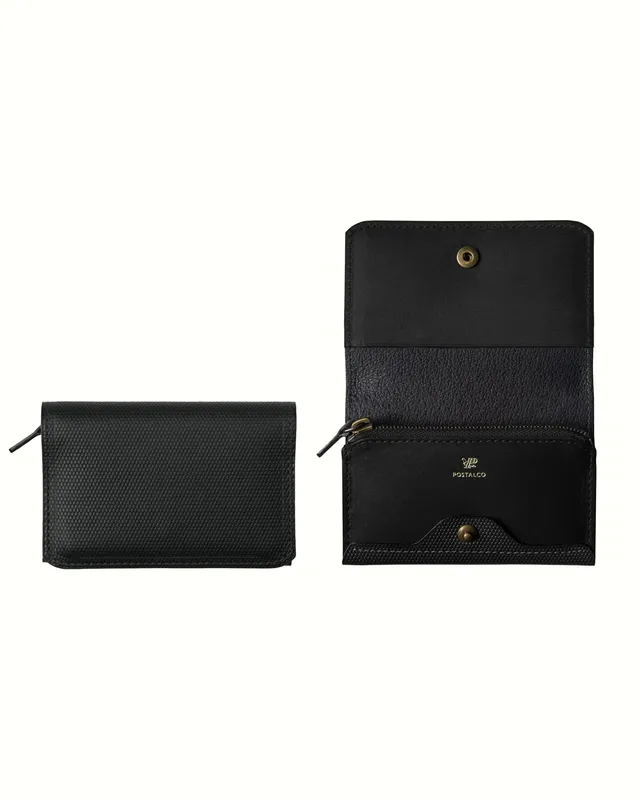
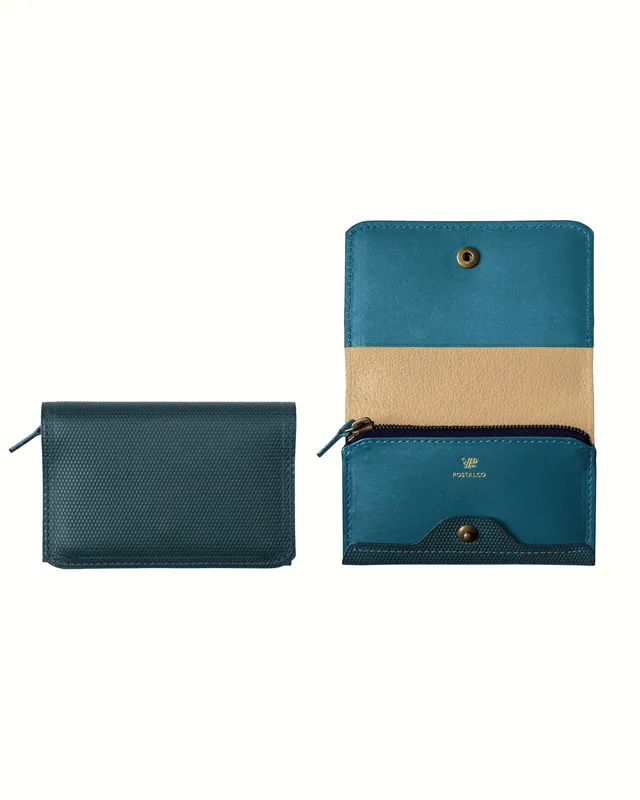
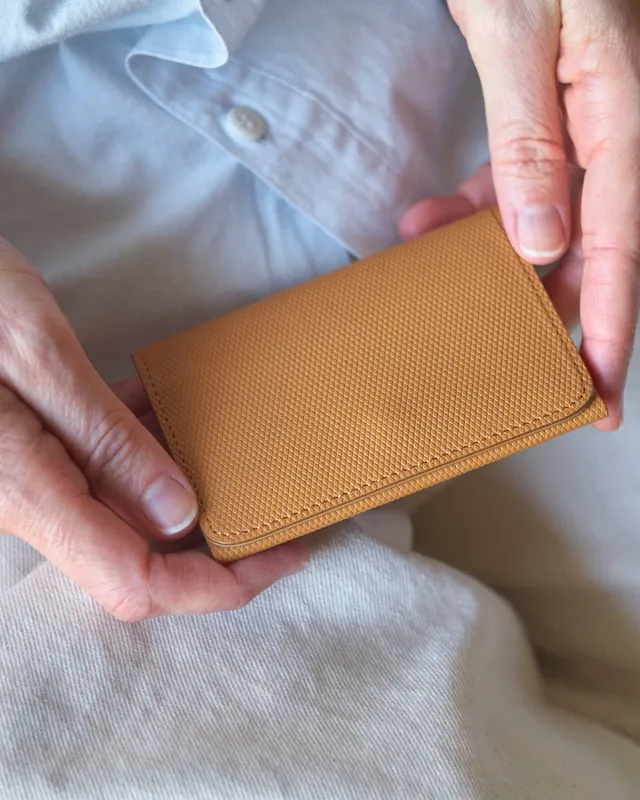
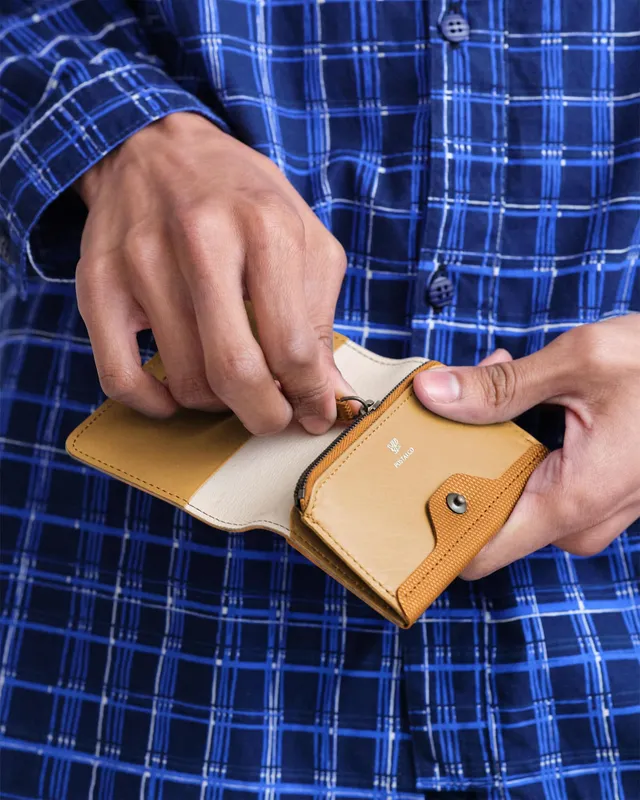
On the surface, cowhide pressed with a diamond lattice pattern is used, and the inside is lined separately with calfskin and pigskin. In addition to compartments for bills and cards, it features a zippered compartment for coins or keys and a back pocket for temporary storage. You can carry the payment methods and small items needed when going out without bulk.

  1. Combination of three leathers

    On the exterior, vegetable-tanned adult cowhide pressed with a diamond lattice pattern is used, and on the inside, calfskin cowhide and pigskin are used separately according to their functions.

  2. Divided storage structure

    It features a zippered pocket for coins or keys and a bill compartment, and generously holds up to 8 cards. A pocket where receipts or cards can be temporarily inserted is also placed on the outer back.

  3. Handcrafted edge finishing and brass hardware

    The leather edges were cut and burnished by hand to be smoothly refined. A brass snap button that engages firmly is attached as the closure.

Mini Wallet Crossgrain Leather photo 1/4
Mini Wallet Crossgrain Leather photo 2/4
Mini Wallet Crossgrain Leather photo 3/4
Mini Wallet Crossgrain Leather photo 4/4

POSTALCO ポスタルコPO-12

Why does the wallet's name include 'Kettle', which means a teakettle?

It is because the zipper pull used to open and close the wallet was carved directly from brass in the shape of a kettle lid knob.

'Kettle' originally refers to a vessel used for boiling water or brewing tea. POSTALCO took this name not from the overall appearance of the wallet, but from the zipper pull touched by the fingertips. The pull of the Kettle Zipper Wallet is a proprietary component designed after the shape of the small knob on a teaware lid.

Kettle Zipper Wallet Thin

POSTALCO ポスタルコPO-6

What is the reason the bottom of the center pocket is sewn slightly shallow?

The bottom is finished shallowly so that coins can be easily picked up with fingers, while the walls are built high so that coins do not spill out.

The walls are high and the bottom is shallow. The pocket right in the center of POSTALCO's Kettle Zipper Wallet is structured with generous height so that coins do not spill out. It is a shape that provides stability so coins do not easily bounce out when the wallet is opened.

Kettle Zipper Wallet Thin

POSTALCO ポスタルコPO-2

What are the differences in thickness and card capacity between the Small and Thin options of the Kettle Zipper Wallet?

The Small option has a thickness of 3.5cm and holds 20 or more cards, while the Thin option is half that at 1.8cm thick and stores 10 or more cards.

Between the choices for the Kettle Zipper Wallet, the Small option holds 20 or more cards at a thickness of 3.5cm, and the Thin option holds 10 or more cards at a thickness of 1.8cm. Compared to the Small, POSTALCO reduced the dimensions of the Thin size to a more compact width of 10.8cm and height of 9cm, while also slimming its thickness down to about half.

Kettle Zipper Wallet Thin

MD PAPER PRODUCTS エムディーペーパープロダクツOMISEMPP-6

What is the difference between regular MD paper and MD paper cotton?

Regular MD paper has a specification of 80g/㎡, and MD paper cotton is a 75g/㎡ paper blended with 20% cotton pulp.

The basic paper is 80g/㎡, and the cotton paper is 75g/㎡. The basic MD PAPER of MD PAPER PRODUCTS has a basis weight of 80g/㎡. On the other hand, MD PAPER COTTON is a 75g/㎡ specification completed by blending 20% cotton pulp with MD paper.

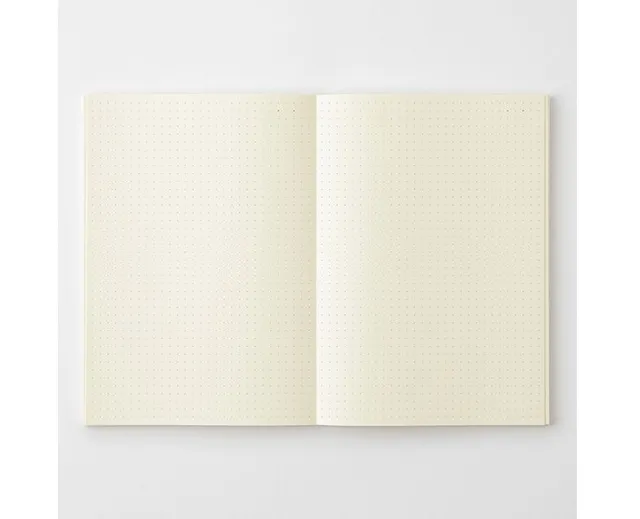
MD Notebook - A7 Dot Grid
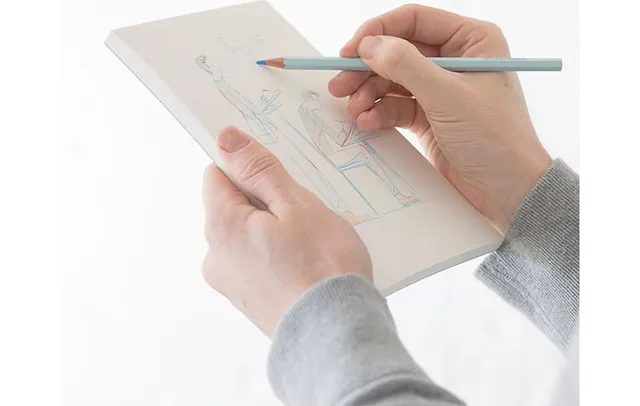
MD Paper Pad Cotton - A5
MD Notebook - A7 Dot Grid

This ballpoint pen measures 11mm in diameter and 99mm in height, with its tip changed to brass. Filled with black ink, it is used for taking notes or keeping records.

  1. Tip renewed in brass

    The tip of the pen has been newly renewed with brass material.

  2. Dimensions of 11mm in diameter and 99mm in height

    The ballpoint pen dimensions are 11mm in diameter and 99mm in height.

  3. Black ink

    The color of the ink inside is black.

TRC BRASS Ballpoint Pen photo 1/2
TRC BRASS Ballpoint Pen photo 2/2

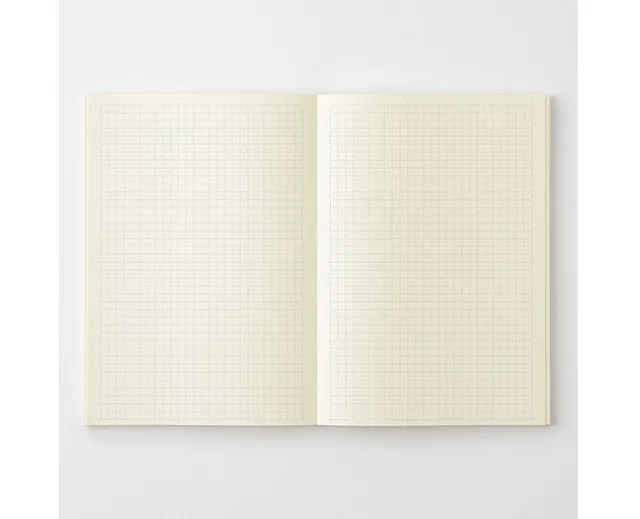
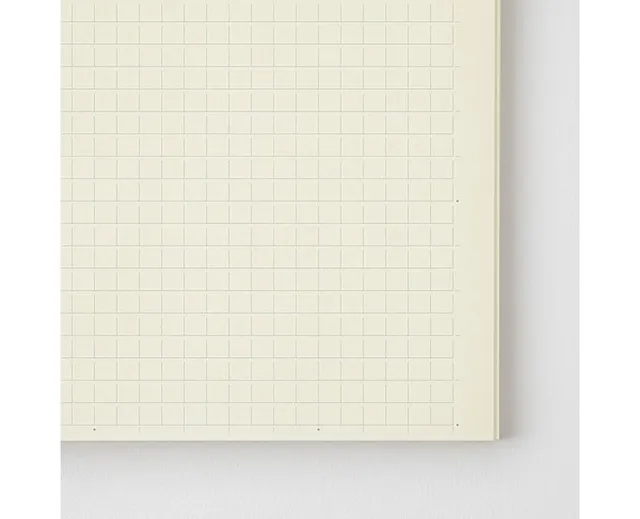
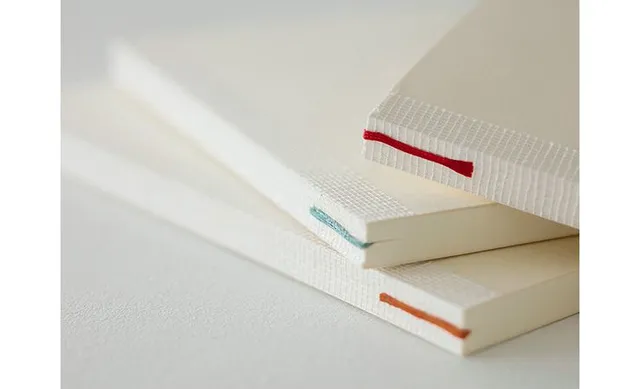
This is a Smyth-sewn notebook bound by sewing the spines of 16-page folded paper bundles with thread. It opens completely flat at 180 degrees to the surface, allowing both pages to lie flat facing you. Taking MD Paper, which began in the 1960s, as the brand's starting point, it holds this paper.

  1. 180-degree lay-flat structure
    The notebook opens completely flat at 180 degrees and lies flat on the surface.

  2. Thread-stitched Smyth sewing

    It uses a Smyth-sewn binding method in which the spines of 16-page folded paper bundles are stitched together with thread.

  3. Paper that began in the 1960s

    A single sheet of MD Paper, born in the 1960s, serves as the starting point of the brand.

MD Notebook - M (B6 Slim) Grid B photo 1/3
MD Notebook - M (B6 Slim) Grid B photo 2/3
MD Notebook - M (B6 Slim) Grid B photo 3/3

TAG STATIONERY タグステイショナリーTAG-6

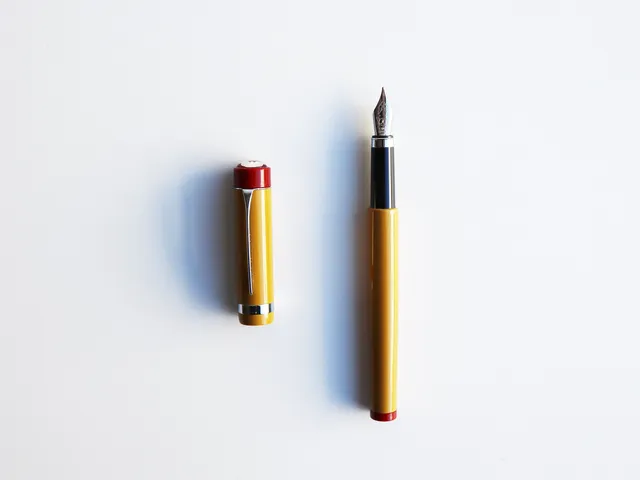
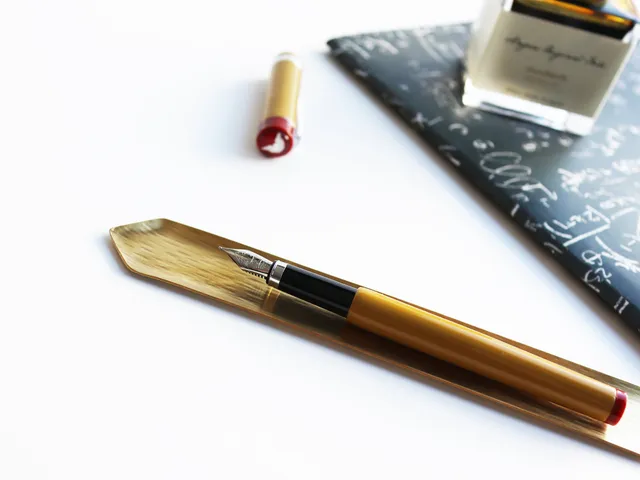
What kind of material is the 'celluloid' mentioned in the fountain pen description?

Celluloid is a classic material made by processing plant-based cellulose, and its general characteristics are a soft touch and deep coloration.

Celluloid is a classic material made by processing natural plant-based cellulose as a raw material. It is demanding to process because it takes a long time to harden and dry, but unlike plastic, the finished surface has the characteristic of holding a soft warmth rather than feeling cold. Thanks to its deep luster subtly emanating from within and its vivid coloration, it has long been used as a body material for premium fountain pens.

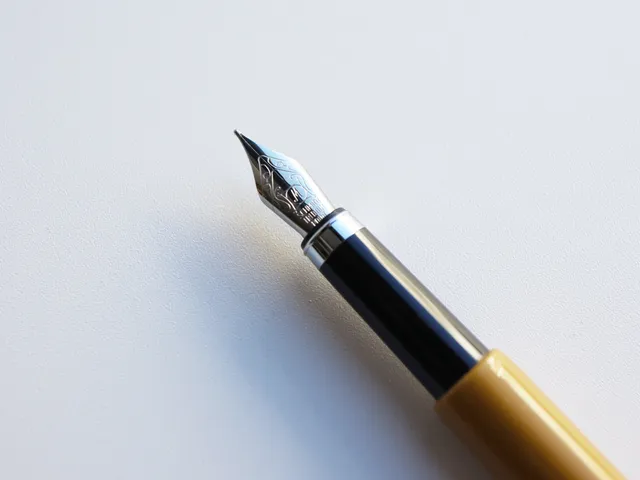
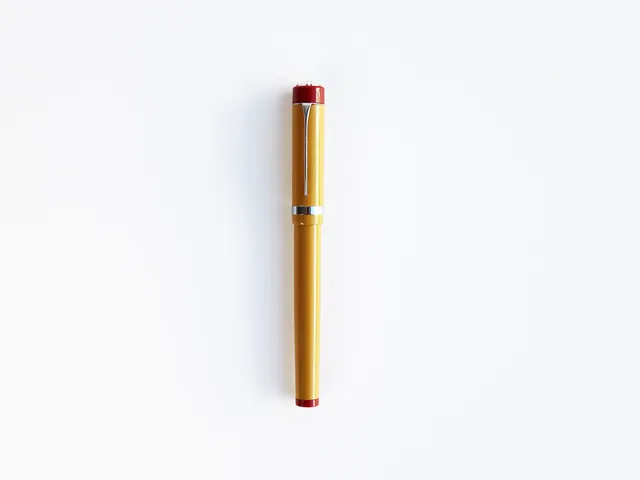
京阪電車公式万年筆 旧3000系特急車両