How is the "digital press RGB output" listed in the photo book's specifications different from ordinary printing?
Even though it is a photo book printed on paper, the expression RGB, a display screen standard, is written, which feels unfamiliar. I want to know what difference it has compared to ordinary printed matter.
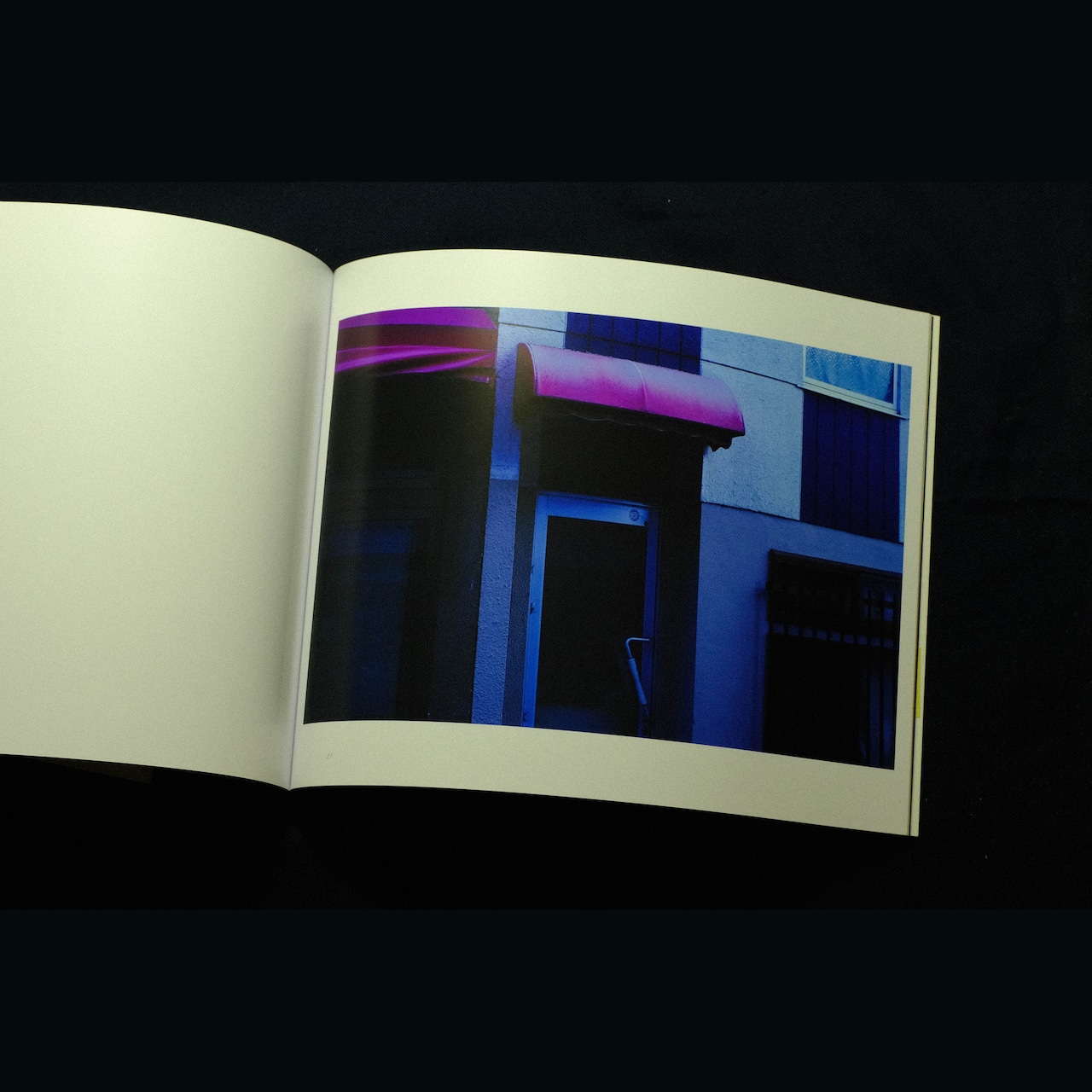
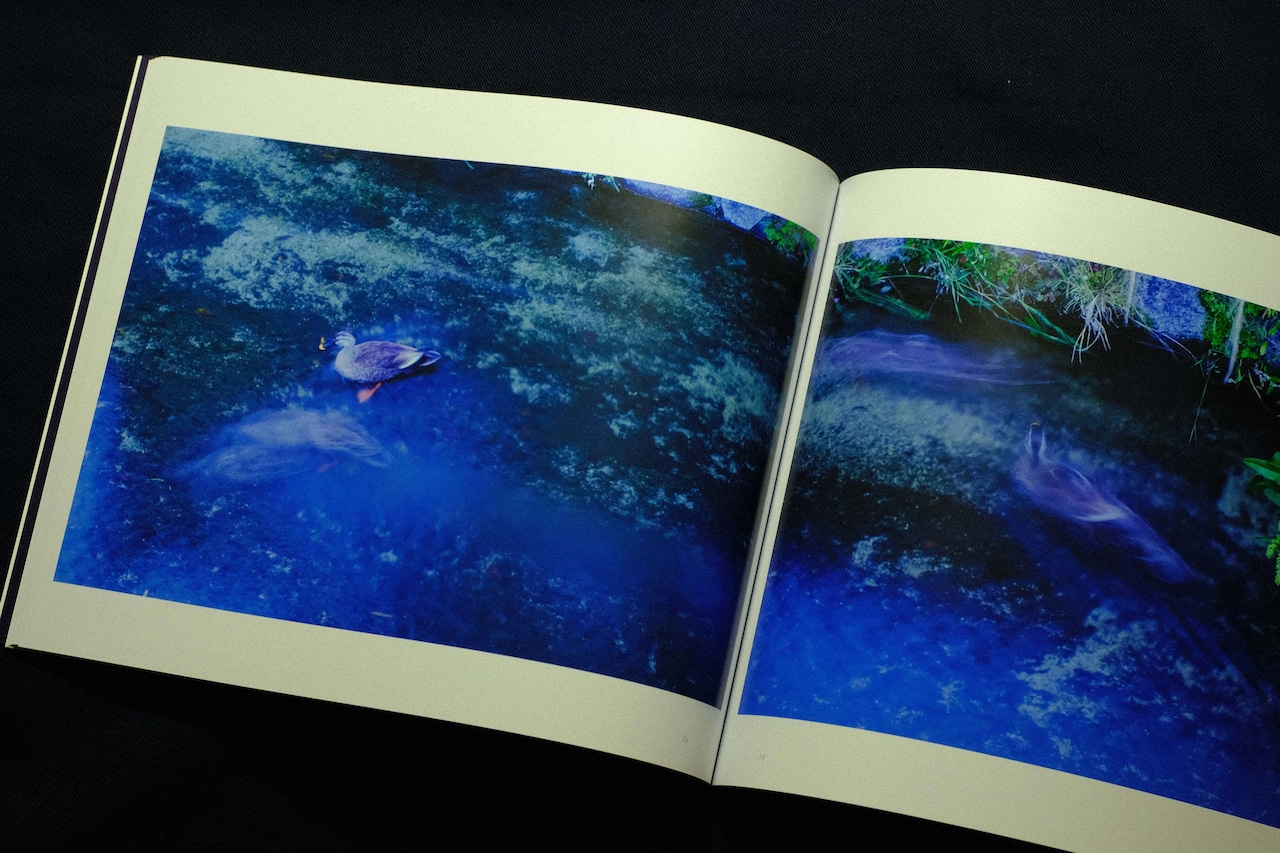
Unlike ordinary printing methods, it is an output that reproduces the monitor's color gamut using inkjet equipment to delicately bring to life the blue air of the dawn scenery in the photos.
Ordinary paper printing mixes four color inks (CMYK), but this photo book chose the digital RGB method. Ordinary printing is made by overlapping four colors—cyan, magenta, yellow, and black—and in this process, the wide color gamut of a screen expressed through light inevitably narrows.
The blue light of dawn was the key. As it is a photo book compiling the series "Photographing Dawn Hours" presented by photographer Kazutaka Sakai at a 2021 solo exhibition, transferring the subtle air of daybreak onto paper was important[1]. Digital RGB output was applied to fully express the mysterious colors and blue aura that easily become muddy with ordinary printing[2].
The printing specification is inkjet digital press RGB output[3]. Through digital equipment that controls fine ink jetting, the blue air in the photographs was transparently brought to life even on paper[4].
hmmm, it is a choice to go beyond the limitations of paper printing, where light is easily lost as inks overlap, and fully capture the transparency of dawn light.
The specific type or basis weight of the printing paper used for the digital press RGB output has not yet been confirmed.