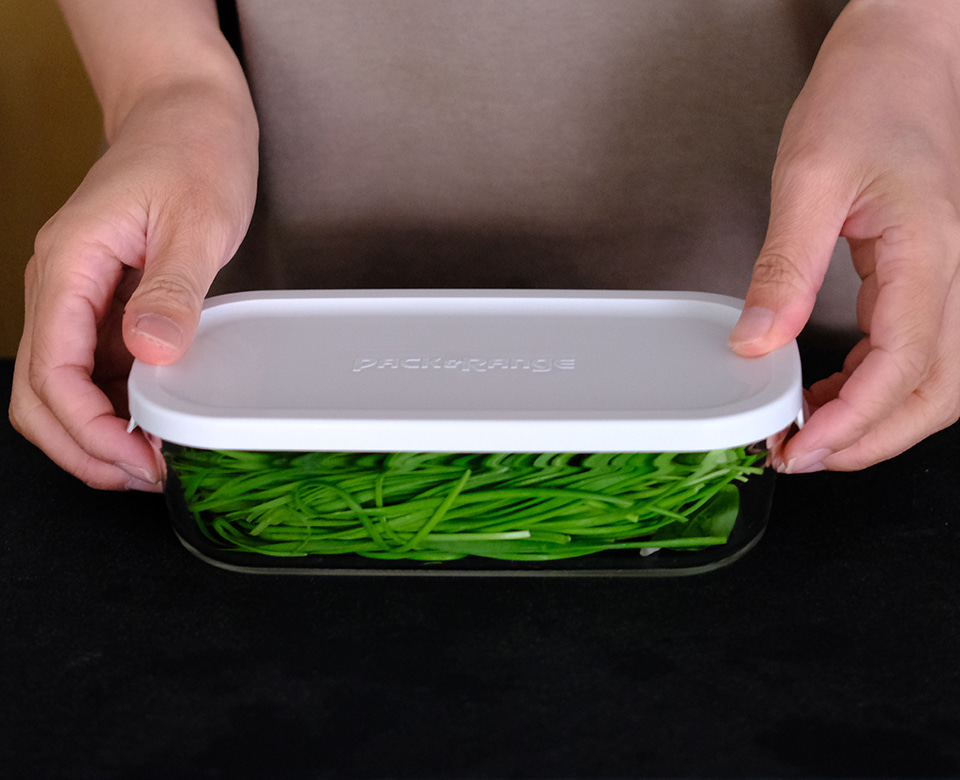
Heat-Resistant Glass
- Similar words
- Borosilicate Glass
A glass material with a lowered thermal expansion coefficient to withstand sudden temperature changes
Glass processed to withstand sudden temperature changes and thermal shock by mixing ingredients such as boric acid. It does not react to acids or salts, so there is little odor or color transfer.
 Heat-resistant glass bodyHEAT RESISTANT GLASS
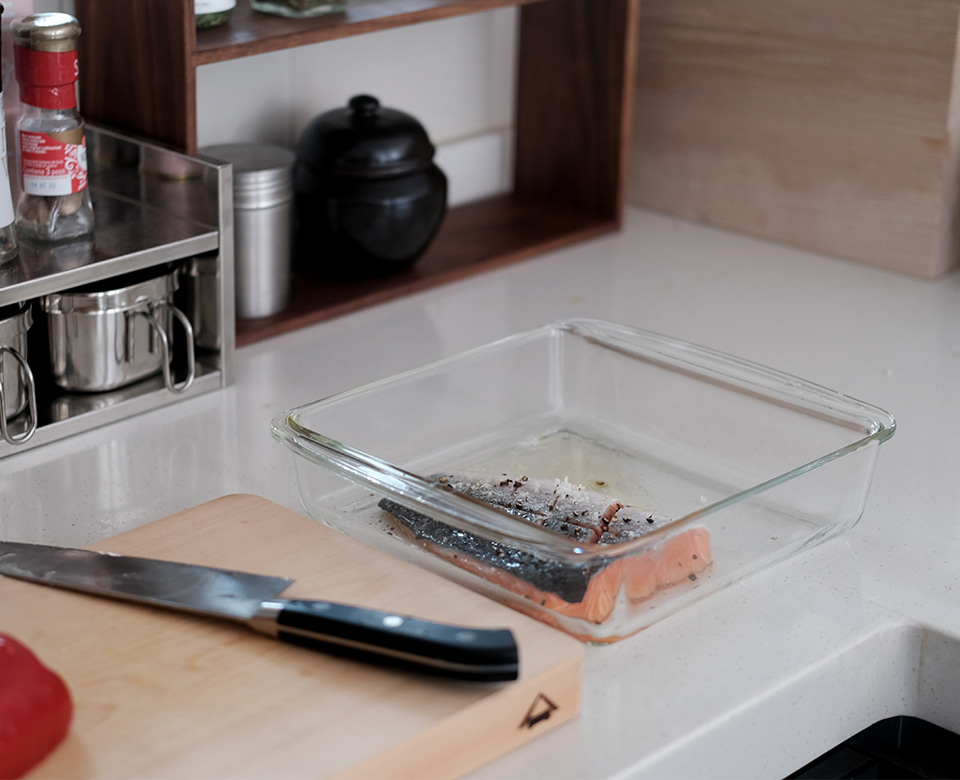 Heat-resistant glassHEAT-RESISTANT GLASS
Use
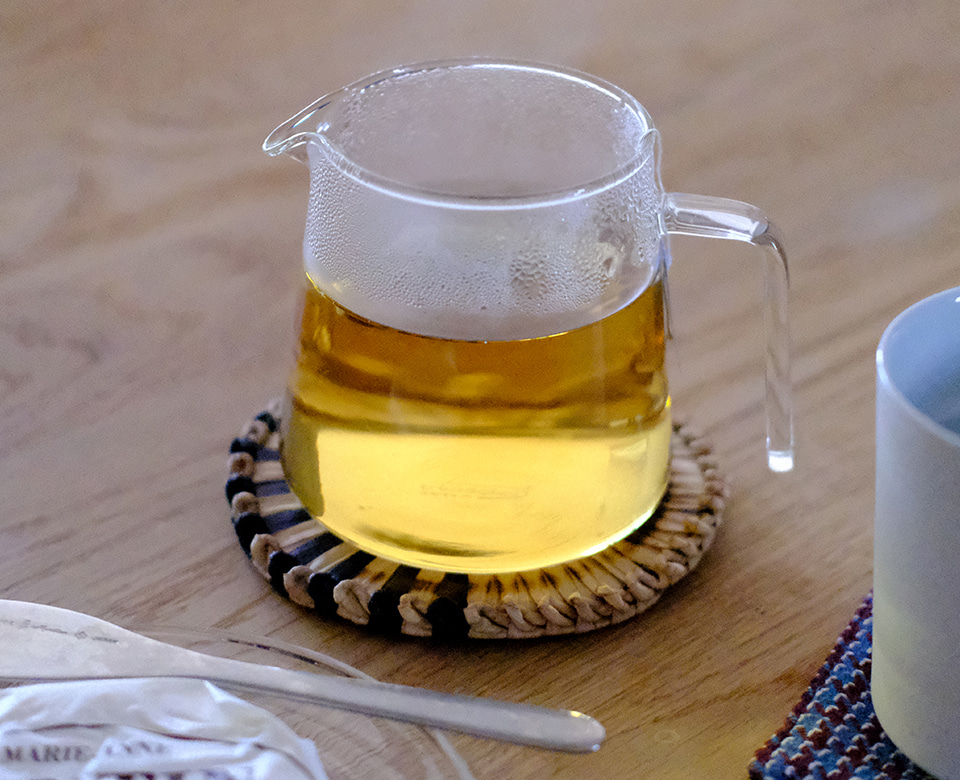
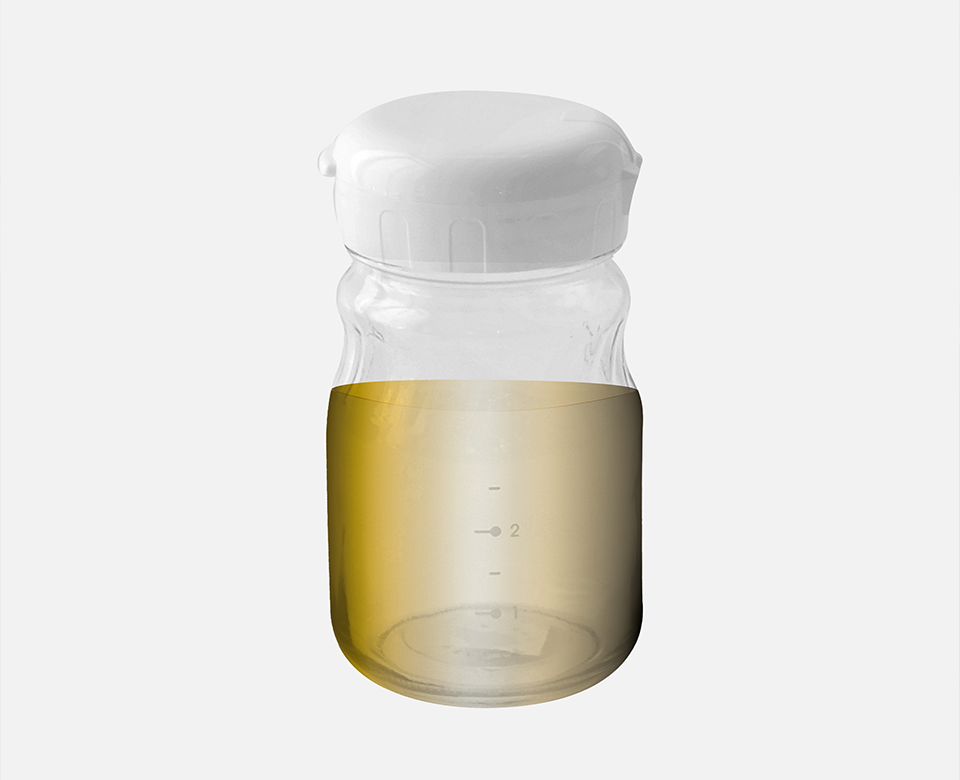
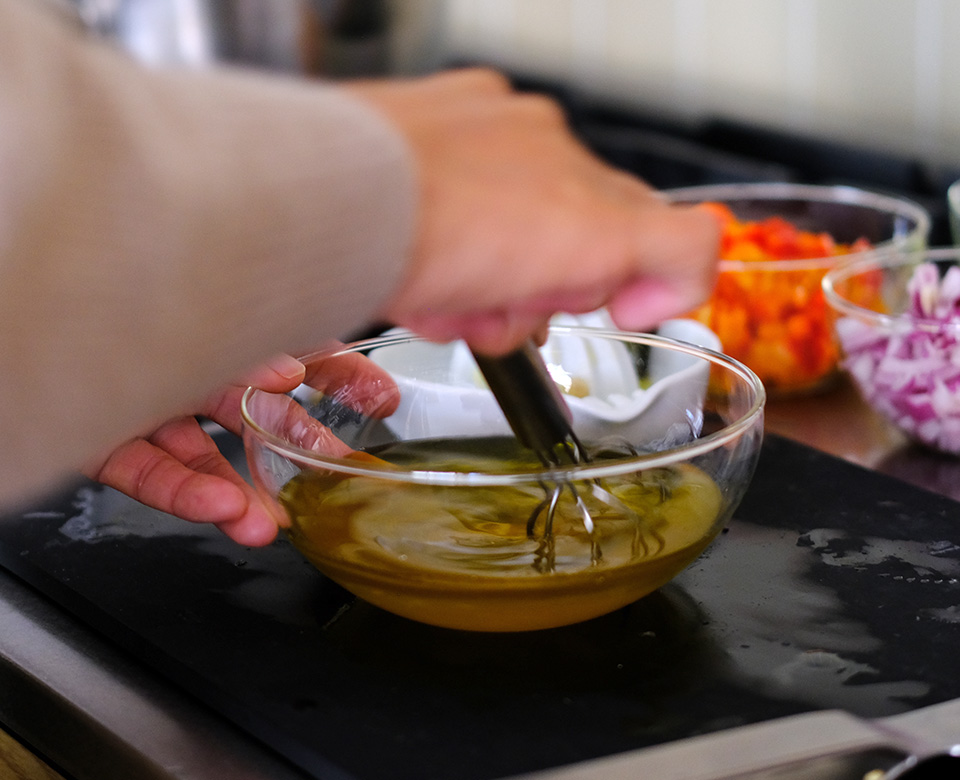
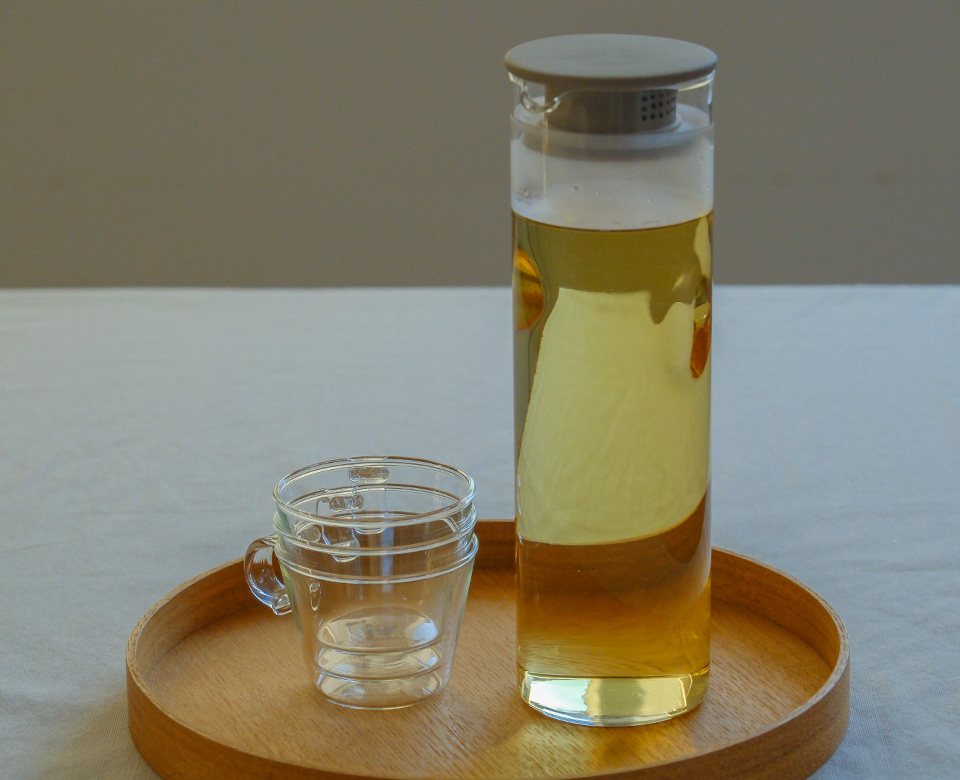
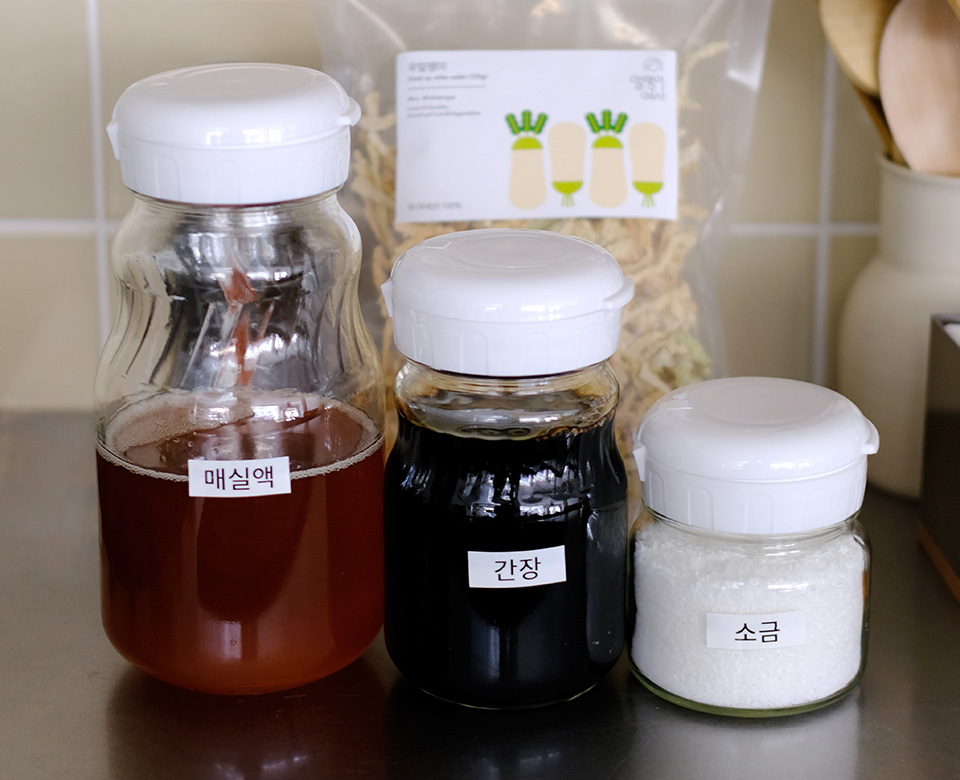
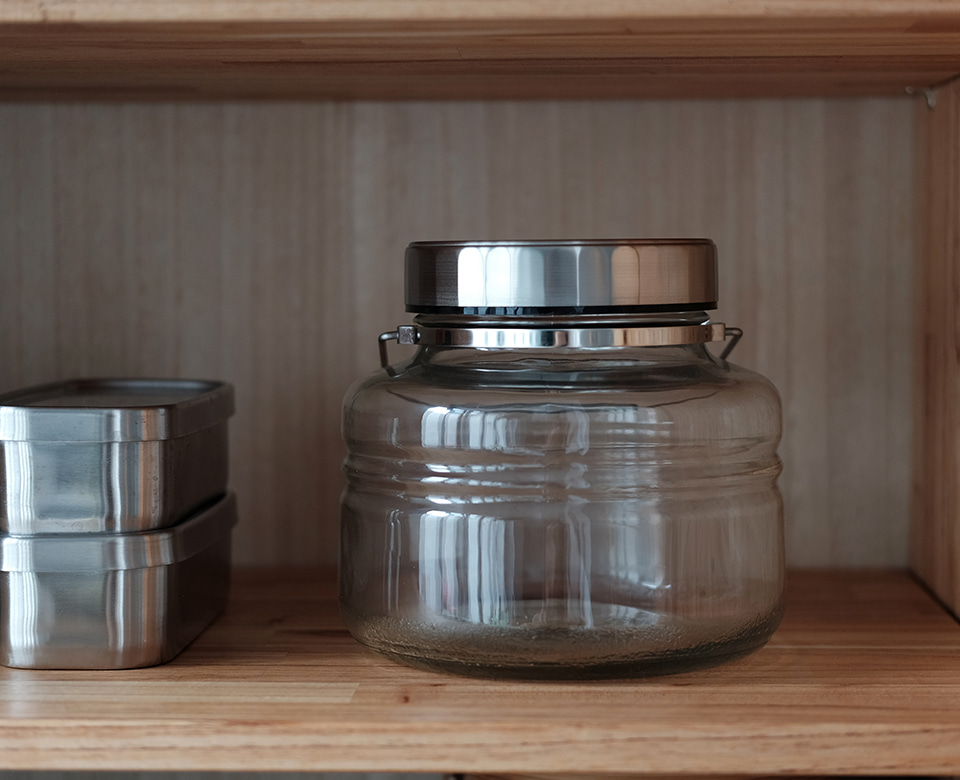
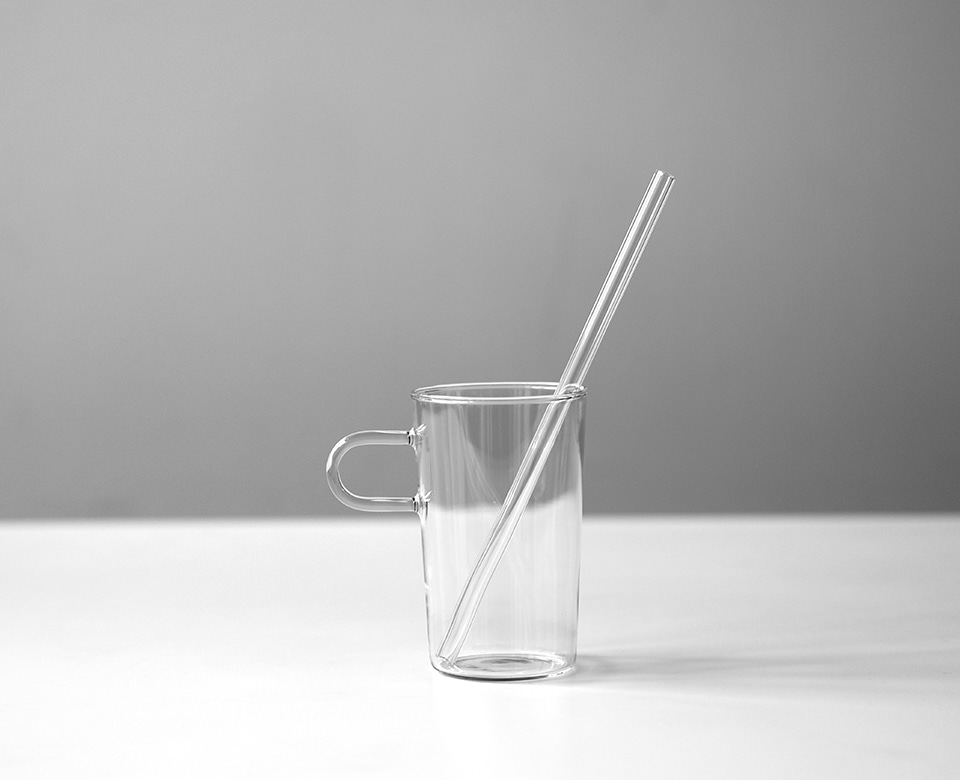
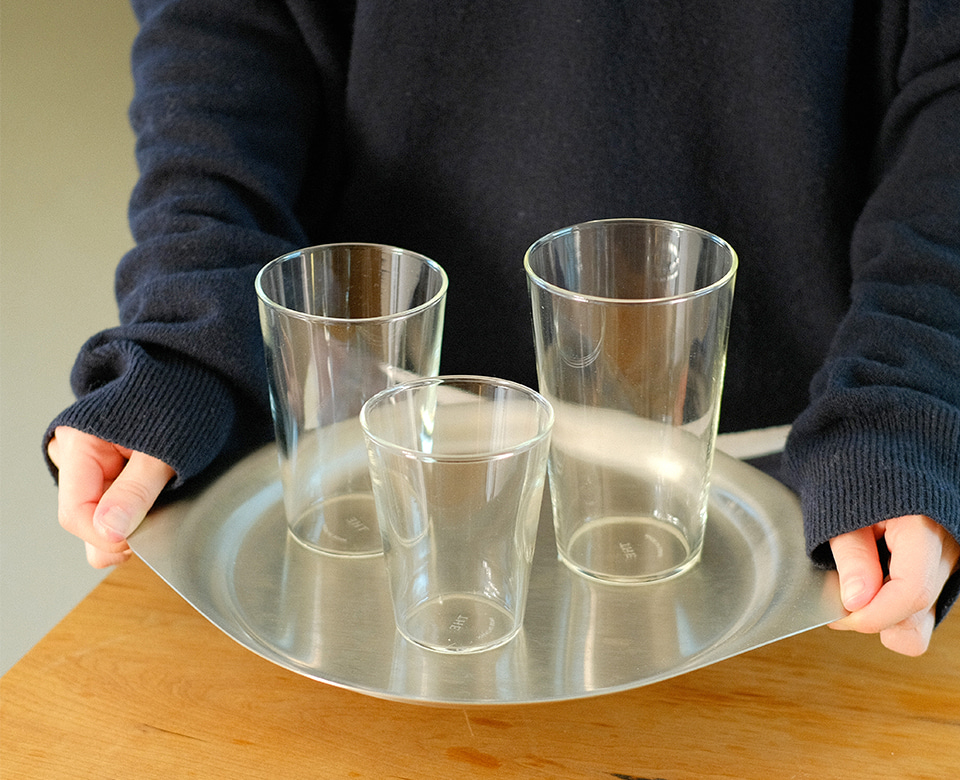
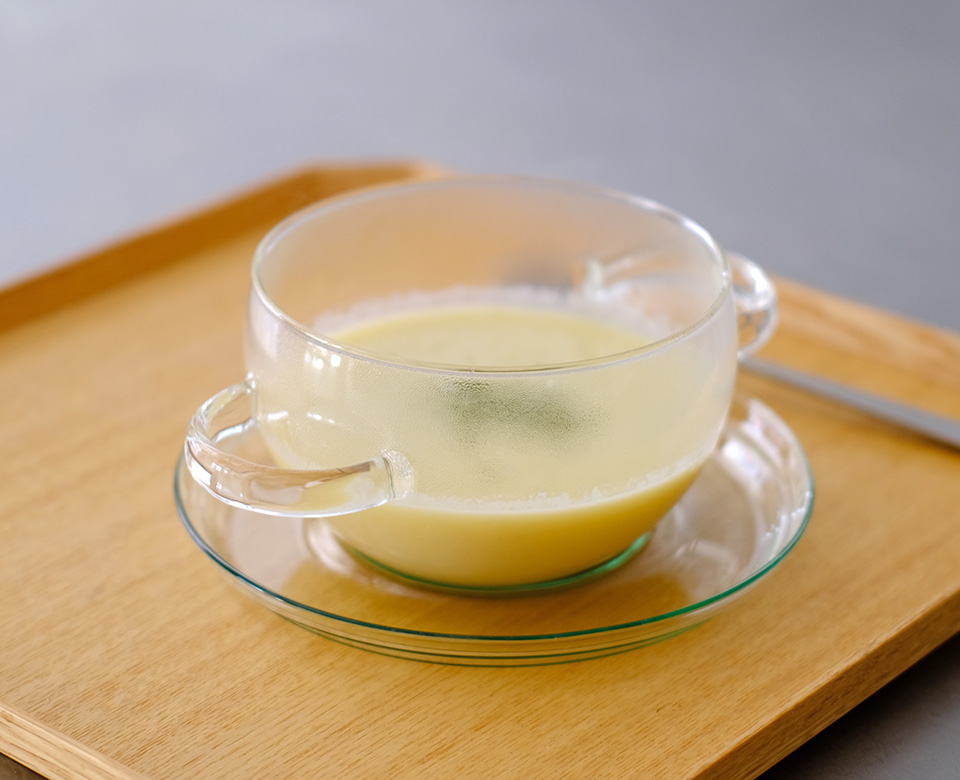
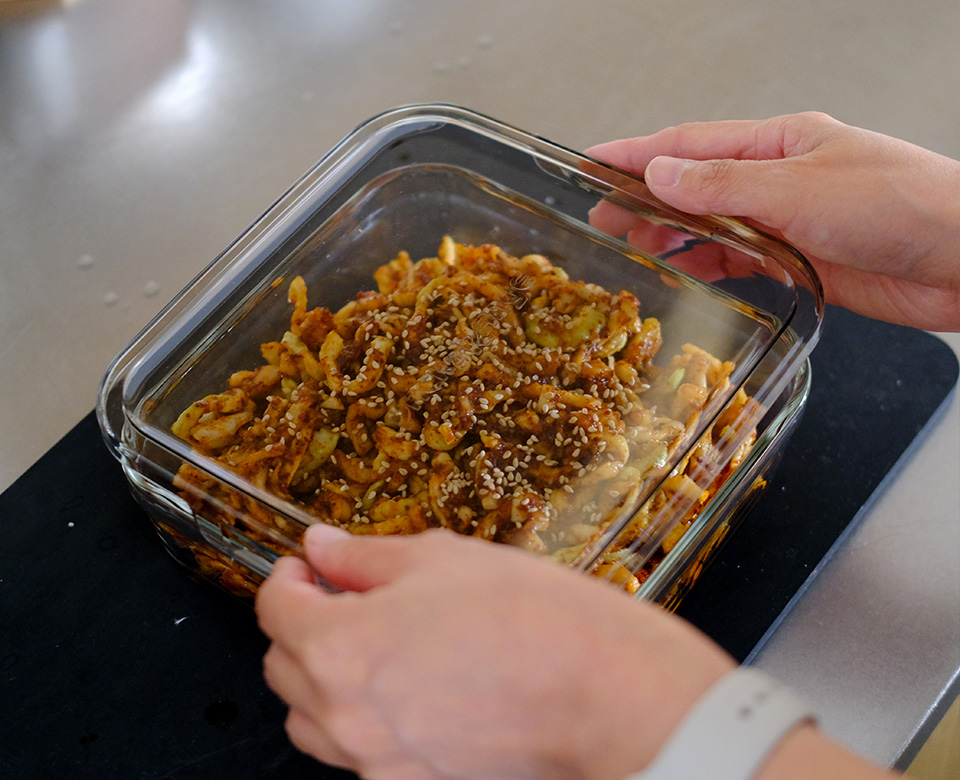
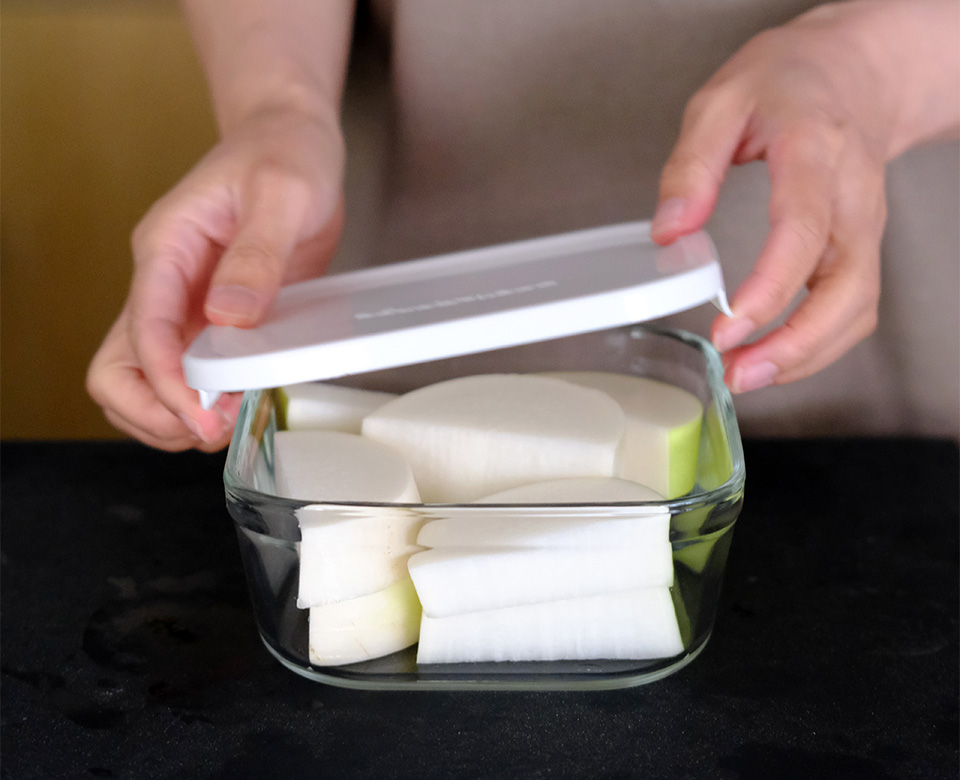
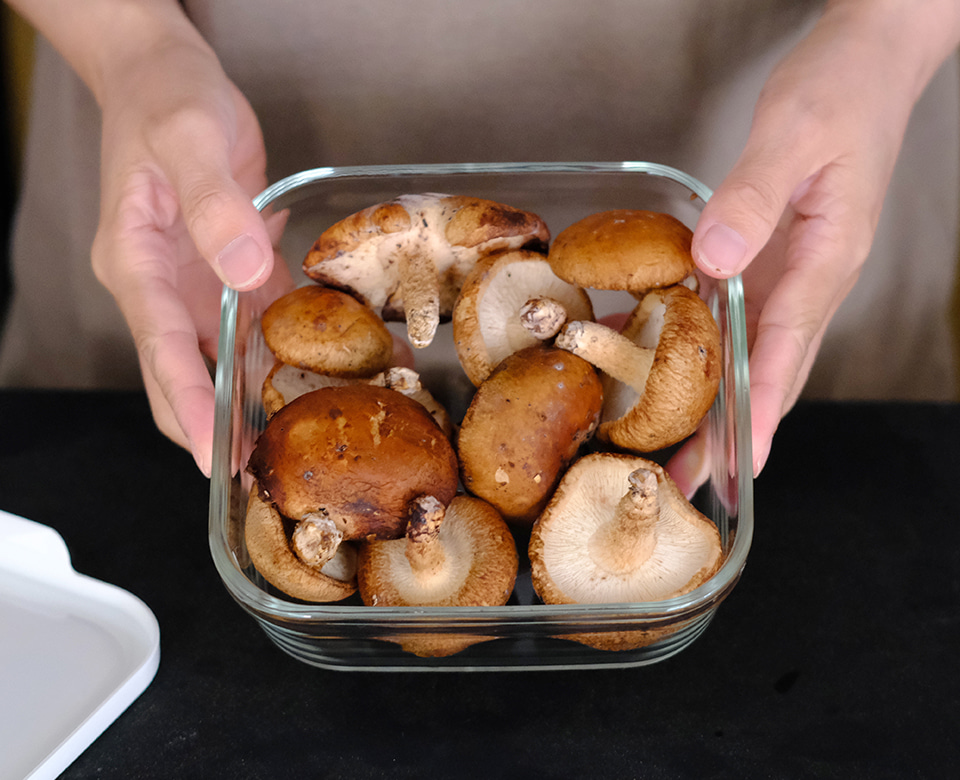
It is mainly used for tableware that involves heating or holding hot liquids, such as airtight containers, measuring cups, water bottles, baby bottles, and mixing bowls. Because it is not corroded by acids or salts, it is also widely used as containers for hygienically storing fermented foods such as traditional sauces and kimchi.
When choosing
On the product label, you should check the "thermal shock temperature difference" marking along with the heat resistance temperature. Even among identical heat-resistant glass products, the usable heat sources and heating conditions—such as microwaves, dishwashers, ovens, and direct flames—differ, so check if it fits your intended use.
Care
Boiling water sterilization is possible, but if scratches occur on the surface, it may break due to thermal shock, so clean it with a soft sponge instead of a steel scourer. Although it is a material that withstands sudden temperature changes, extreme temperature shifts, such as pouring hot water immediately after taking it out of the freezer, should be avoided.
Additional information
- Tempered Glass
- It is strong against physical impact, but there is a risk of breakage under sudden temperature changes, making it unsuitable for boiling water sterilization.
Some images are explanatory images created with AI.