This is a set of five spoons made of brass. At the end of the straight handle extends a concave oval head. You can place it inside an Azmaya condiment container with a notch and close the lid to store them together.
![[아즈마야] Azmaya 쁘띠 황동 스푼 세트 (5pcs) photo 1/4](https://img.hmmm.pub/brands/azmaya/products/5e452b5b-ee60-4c0d-b4cc-43d059ad8c23/89325fdc6e5af262.jpg)
![[아즈마야] Azmaya 쁘띠 황동 스푼 세트 (5pcs) photo 2/4](https://img.hmmm.pub/brands/azmaya/products/5e452b5b-ee60-4c0d-b4cc-43d059ad8c23/3.jpg)
![[아즈마야] Azmaya 쁘띠 황동 스푼 세트 (5pcs) photo 3/4](https://img.hmmm.pub/brands/azmaya/products/5e452b5b-ee60-4c0d-b4cc-43d059ad8c23/2.jpg)
![[아즈마야] Azmaya 쁘띠 황동 스푼 세트 (5pcs) photo 4/4](https://img.hmmm.pub/brands/azmaya/products/5e452b5b-ee60-4c0d-b4cc-43d059ad8c23/4.jpg)
01 / 04
Why this product
Chosen for the natural patina of the brass material and the practical set configuration suited for storing inside dedicated condiment jars.
Brass material and set of 5
Five spoons made of brass are provided as a set.
Storing together with condiment containers
You can insert the spoon into an Azmaya condiment container with a notch and close the lid to store them together.
Natural surface changes
Due to the nature of brass, discoloration or water spots after washing may occur with use, but there are no hygiene issues.
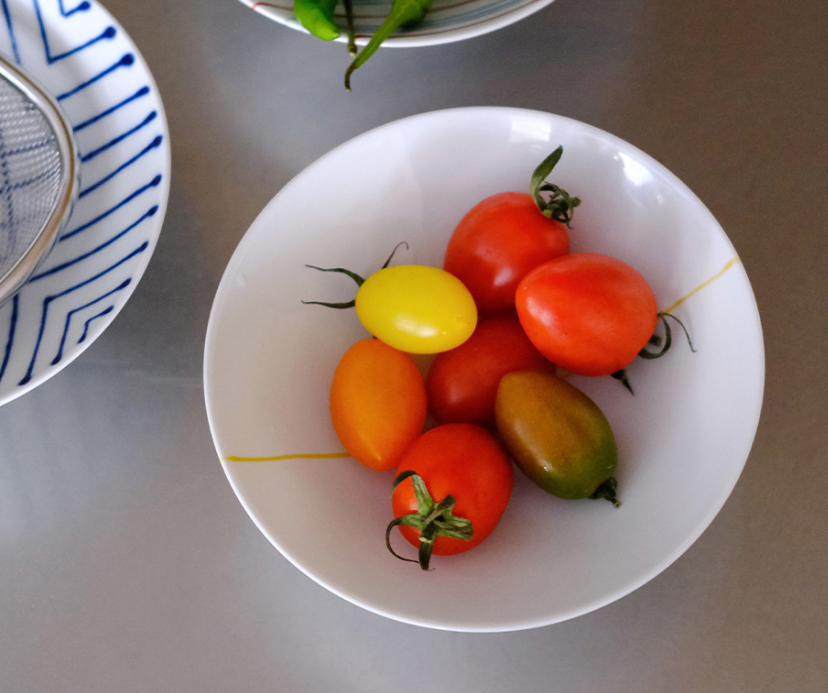
![[하쿠산] HAKUSAN 히라차왕(원형볼) A-4 photo 1/4](https://img.hmmm.pub/brands/hakusan/products/4b708f50-a847-40fa-87cb-062b28cd2e86/b93ca627db89766d.jpg)
![[하쿠산] HAKUSAN 히라차왕(원형볼) A-4 photo 2/4](https://img.hmmm.pub/brands/hakusan/products/4b708f50-a847-40fa-87cb-062b28cd2e86/06afc69c59c5b17f.jpg)
![[하쿠산] HAKUSAN 히라차왕(원형볼) A-4 photo 3/4](https://img.hmmm.pub/brands/hakusan/products/4b708f50-a847-40fa-87cb-062b28cd2e86/3.jpg)
![[나카가와상점] 더 쿠킹 페이퍼](https://img.hmmm.pub/brands/nakagawa-masashichi/products/5aa5c296-2dfa-4421-8366-9de014045ba3/2841f08bcc540947.jpg)
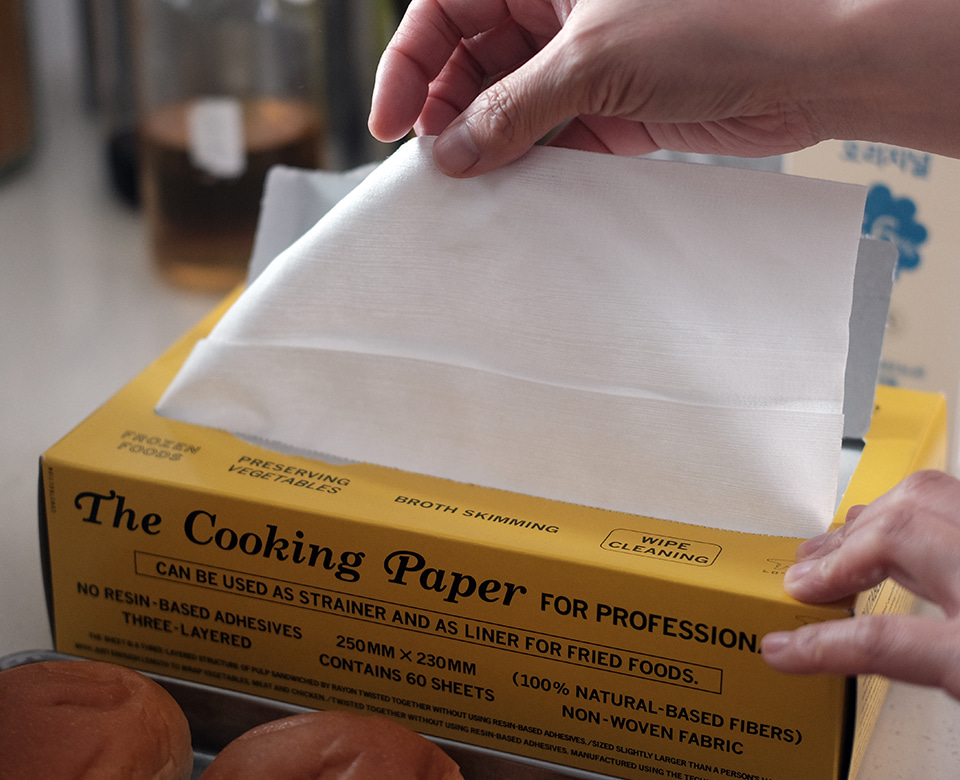
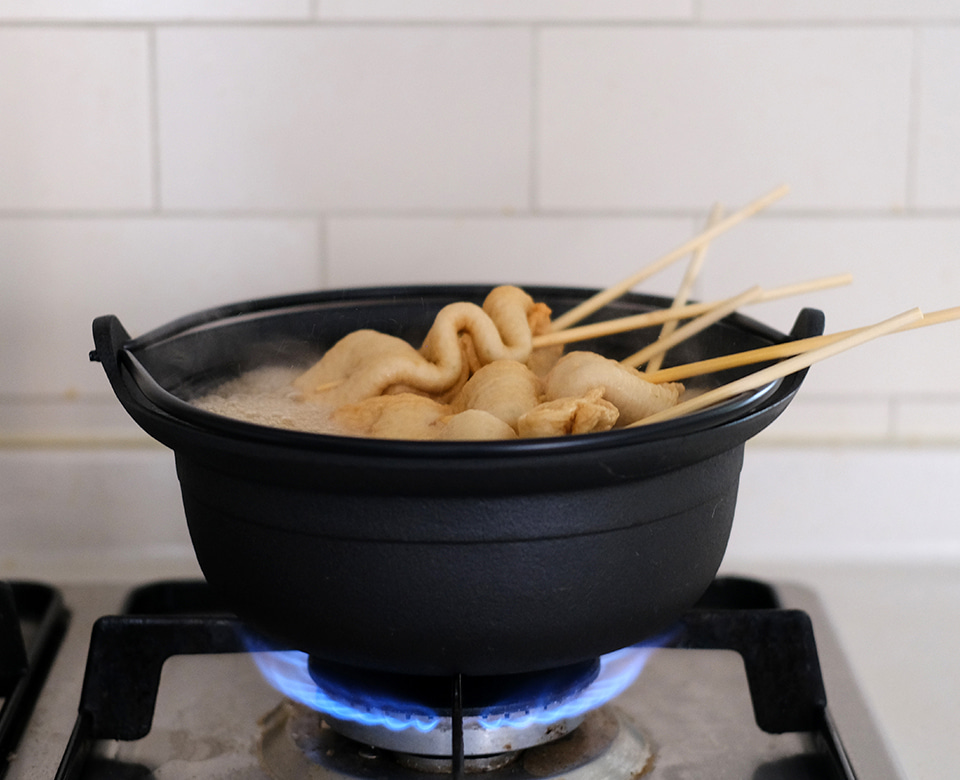
![[오이겐] 무쇠 클래식 스튜냄비 (4size / 인덕션 OK) photo 1/4](https://img.hmmm.pub/brands/oigen/products/82465005-95db-4662-9633-2f2127199f7d/6723896cad7fd931.jpg)
![[오이겐] 무쇠 클래식 스튜냄비 (4size / 인덕션 OK) photo 2/4](https://img.hmmm.pub/brands/oigen/products/82465005-95db-4662-9633-2f2127199f7d/c4b52f9008f44750.jpg)
![[오이겐] 무쇠 클래식 스튜냄비 (4size / 인덕션 OK) photo 4/4](https://img.hmmm.pub/brands/oigen/products/82465005-95db-4662-9633-2f2127199f7d/2.jpg)
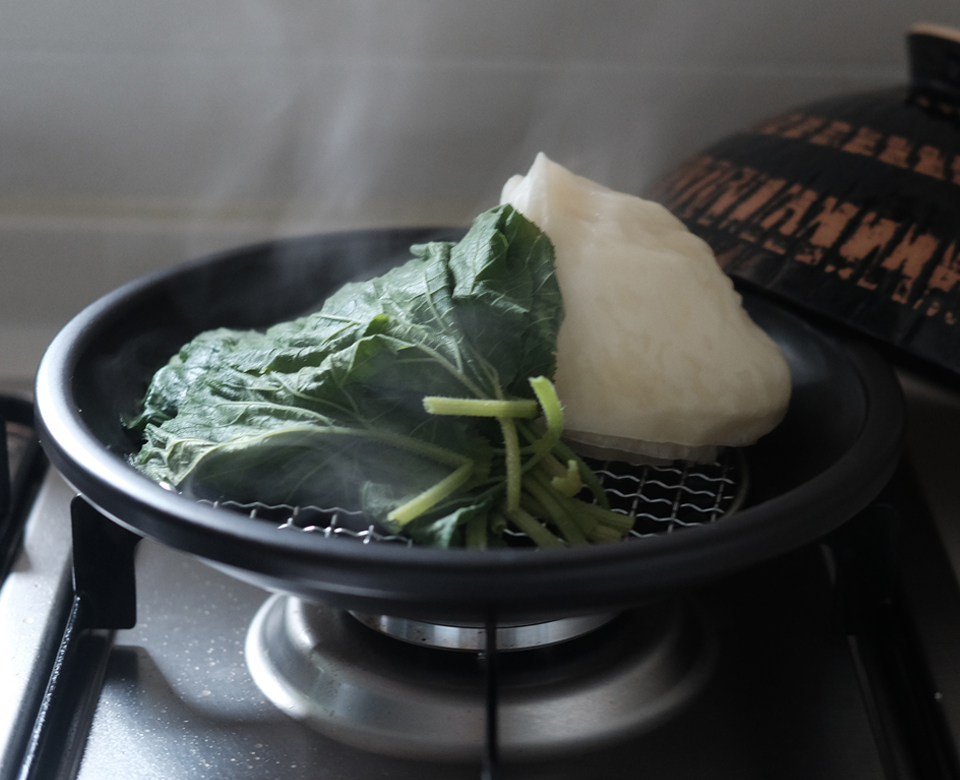
![[이가모노] 타진 뚝배기 (2size) photo 1/4](https://img.hmmm.pub/brands/igamono/products/7aba8878-cac0-4294-96b0-7f2936e49486/2.jpg)
![[이가모노] 타진 뚝배기 (2size) photo 3/4](https://img.hmmm.pub/brands/igamono/products/7aba8878-cac0-4294-96b0-7f2936e49486/3.jpg)
![[이가모노] 타진 뚝배기 (2size) photo 4/4](https://img.hmmm.pub/brands/igamono/products/7aba8878-cac0-4294-96b0-7f2936e49486/4.jpg)
![[이시즈카] Tebineri 사케 스템 글라스 75ml photo 1/4](https://img.hmmm.pub/brands/ishizuka-glass/products/4b3dedd9-efc2-48b8-9b03-30872c985896/857c727911ad0e3c.jpg)
![[이시즈카] Tebineri 사케 스템 글라스 75ml photo 2/4](https://img.hmmm.pub/brands/ishizuka-glass/products/4b3dedd9-efc2-48b8-9b03-30872c985896/a545dc705d49eb37.jpg)
![[이시즈카] Tebineri 사케 스템 글라스 75ml photo 3/4](https://img.hmmm.pub/brands/ishizuka-glass/products/4b3dedd9-efc2-48b8-9b03-30872c985896/4d186e42f4dc23b5.jpg)
![[이시즈카] Tebineri 사케 스템 글라스 75ml photo 4/4](https://img.hmmm.pub/brands/ishizuka-glass/products/4b3dedd9-efc2-48b8-9b03-30872c985896/1323542a3a8d042a.jpg)
![[마츠노야] 대나무 육각 바구니 (3size)](https://img.hmmm.pub/brands/matsunoya/products/f977d904-6c2e-4a04-92d9-c17a0a87a24d/d00fdd70c442d4d3.jpg)
![[소리야나기] 스텐 커트러리 아이스크림 스푼 photo 1/4](https://img.hmmm.pub/brands/sori-yanagi/products/08742089-3111-4049-9fe2-47345e70e786/7666c5a0bc86e728.jpg)
![[소리야나기] 스텐 커트러리 아이스크림 스푼 photo 2/4](https://img.hmmm.pub/brands/sori-yanagi/products/08742089-3111-4049-9fe2-47345e70e786/06aac21b2c1bdcad.jpg)
![[소리야나기] 스텐 커트러리 아이스크림 스푼 photo 3/4](https://img.hmmm.pub/brands/sori-yanagi/products/08742089-3111-4049-9fe2-47345e70e786/c06143ef754ed6c2.jpg)
![[아즈마야] Azmaya 마우스 블로운 코냑 글라스 155ml photo 1/4](https://img.hmmm.pub/brands/azmaya/products/a511c417-7381-4ac0-98b4-baeb6a6731d3/3.jpg)
![[아즈마야] Azmaya 마우스 블로운 코냑 글라스 155ml photo 3/4](https://img.hmmm.pub/brands/azmaya/products/a511c417-7381-4ac0-98b4-baeb6a6731d3/4.jpg)
![[아즈마야] Azmaya 마우스 블로운 코냑 글라스 155ml photo 4/4](https://img.hmmm.pub/brands/azmaya/products/a511c417-7381-4ac0-98b4-baeb6a6731d3/2.jpg)