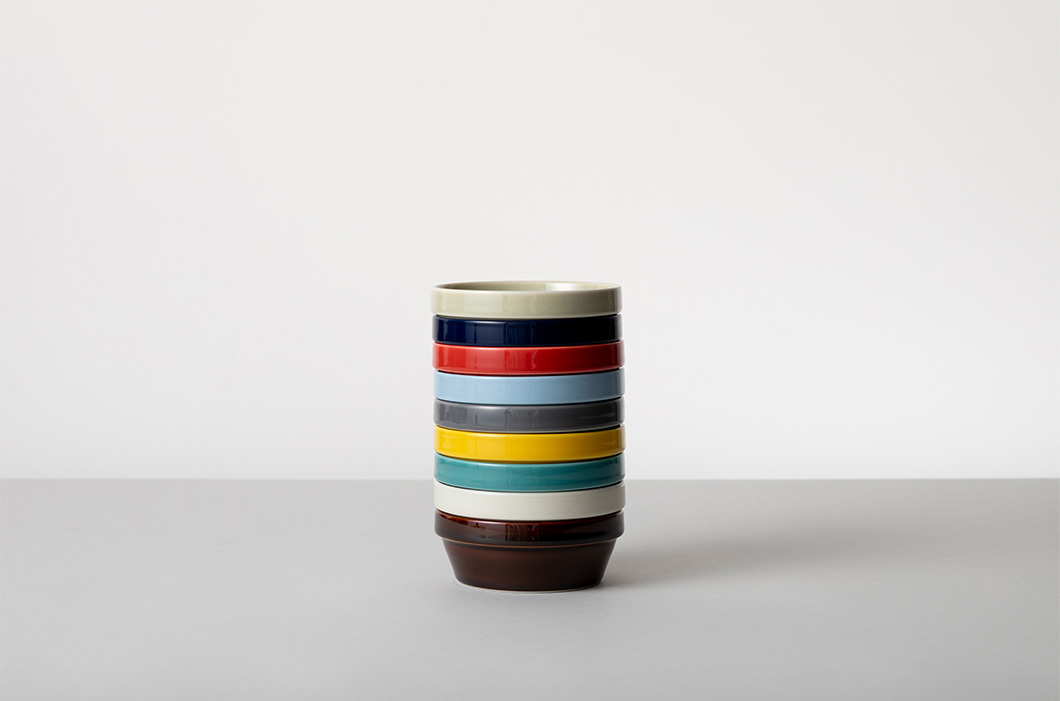
Made of ceramic material, this plate allows food to be reheated in the microwave while placed on it. Inspired by Oryoki, the tableware of Buddhist monks, it can be used as a lid for a bowl of the same size or stacked neatly. The inner surface that touches food is finished with a gloss, while the outer rim line is finished with a matte texture.
![[마루히로 하사미] Takahiro Yasuda TAGAYA 플레이트 (5size / 5type) photo 1/4](https://img.hmmm.pub/brands/maruhiro/products/e27663ea-78c8-43fa-8a87-e7ab21f29a47/97d33728a0c35667.jpg)
![[마루히로 하사미] Takahiro Yasuda TAGAYA 플레이트 (5size / 5type) photo 2/4](https://img.hmmm.pub/brands/maruhiro/products/e27663ea-78c8-43fa-8a87-e7ab21f29a47/2.jpg)
![[마루히로 하사미] Takahiro Yasuda TAGAYA 플레이트 (5size / 5type) photo 3/4](https://img.hmmm.pub/brands/maruhiro/products/e27663ea-78c8-43fa-8a87-e7ab21f29a47/3.jpg)
![[마루히로 하사미] Takahiro Yasuda TAGAYA 플레이트 (5size / 5type) photo 4/4](https://img.hmmm.pub/brands/maruhiro/products/e27663ea-78c8-43fa-8a87-e7ab21f29a47/4.jpg)
01 / 04
Why this product
It combines stackable functionality with a surface finish designed for easy use.
A plate that doubles as a lid, inspired by Oryoki
Inspired by Oryoki, the tableware of Buddhist monks, it can be covered like a lid over a bowl of the same size or stacked neatly for storage.
Surface finish divided into gloss and matte
The edge pattern and lines are finished with a matte texture, while the inner surface that touches food is finished with a gloss.
Microwave cooking supported
Made of ceramic material, it can be placed directly in the microwave to reheat food while still on the plate.
![[마루히로 하사미] SEASON01 밥공기 12cm photo 1/2](https://img.hmmm.pub/brands/maruhiro/products/25bcb9fc-da94-4126-b1f6-580be2245e01/0.jpg)
![[마루히로 하사미] SEASON01 밥공기 12cm photo 2/2](https://img.hmmm.pub/brands/maruhiro/products/25bcb9fc-da94-4126-b1f6-580be2245e01/1.jpg)
![[마루히로 하사미] BARBAR KEEPWARE 플레이트 (3size)](https://img.hmmm.pub/brands/maruhiro/products/3a5c8971-0082-4d6b-afe4-de9374c0ed68/4.jpg)
![[마루히로 하사미] BARBAR AIKOMA 아이코마 낮은 면기](https://img.hmmm.pub/brands/maruhiro/products/339b6b91-33f9-4a34-b886-0503f55d3b49/4.jpg)
![[마루히로 하사미] BARBAR IROHA 면기 (3type)](https://img.hmmm.pub/brands/maruhiro/products/ee2c941b-d24e-4bf1-bcd5-69514f53fab9/3.jpg)
![[마루히로 하사미] BARBAR SOBA CHOCO 화이트패턴 소바컵 (5type)](https://img.hmmm.pub/brands/maruhiro/products/3e92b1ff-00a0-4106-a72e-d6187913ca68/4.jpg)
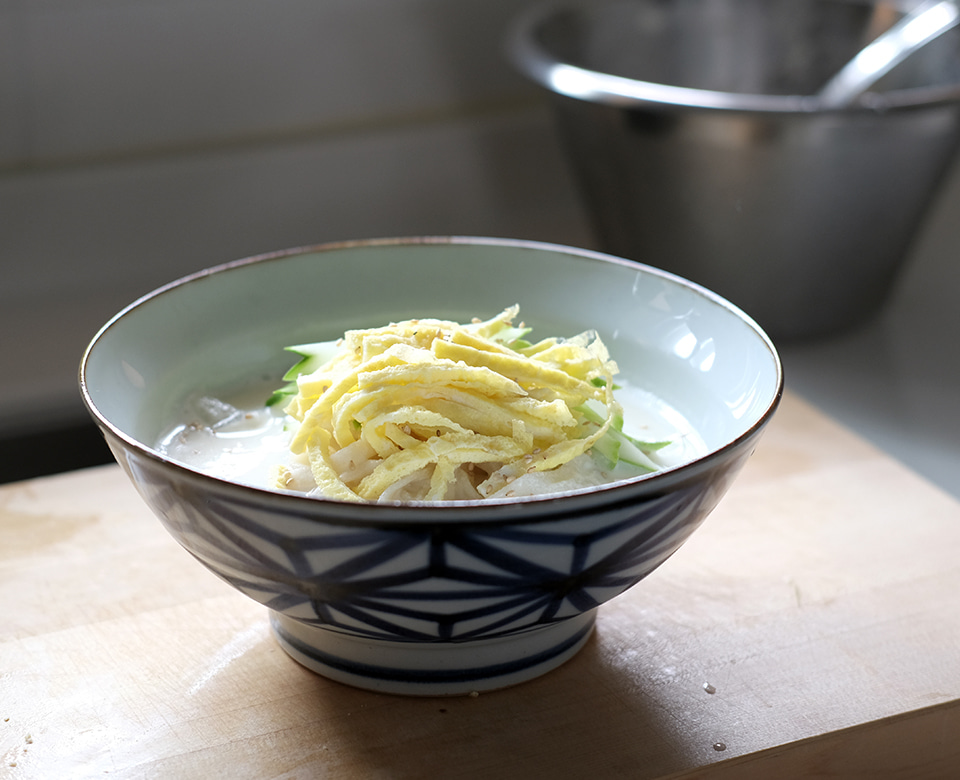
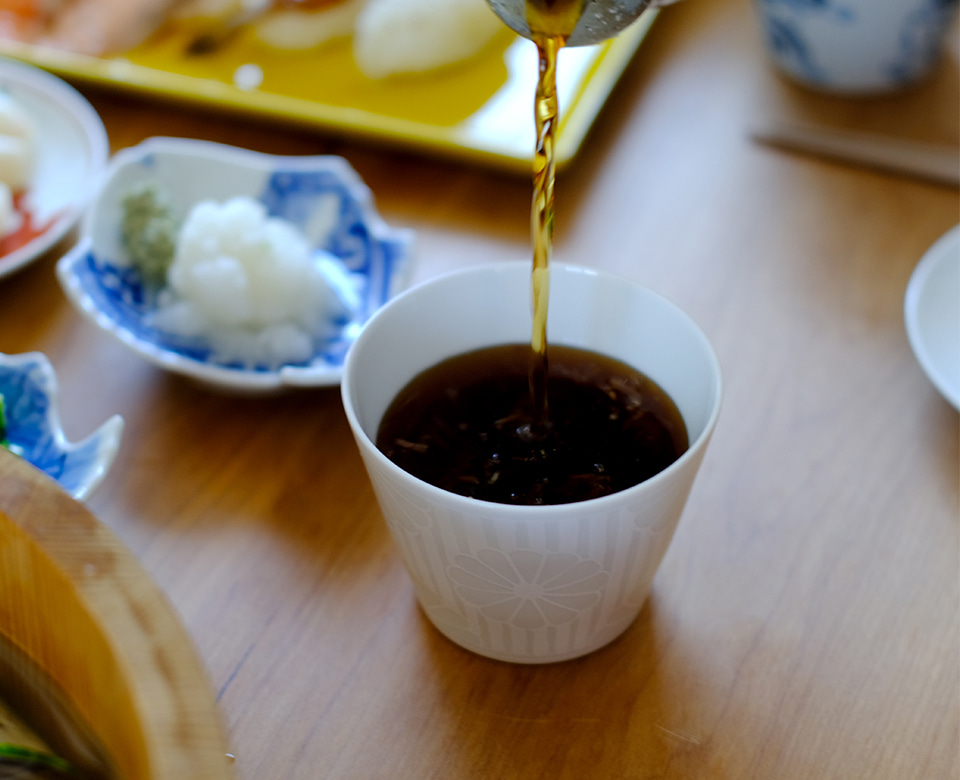
![[마루히로 하사미] BARBAR 타타라 오발 플레이트 26cm](https://img.hmmm.pub/brands/maruhiro/products/174fa860-ecc0-4b2c-9328-3601d3d28d97/2.jpg)
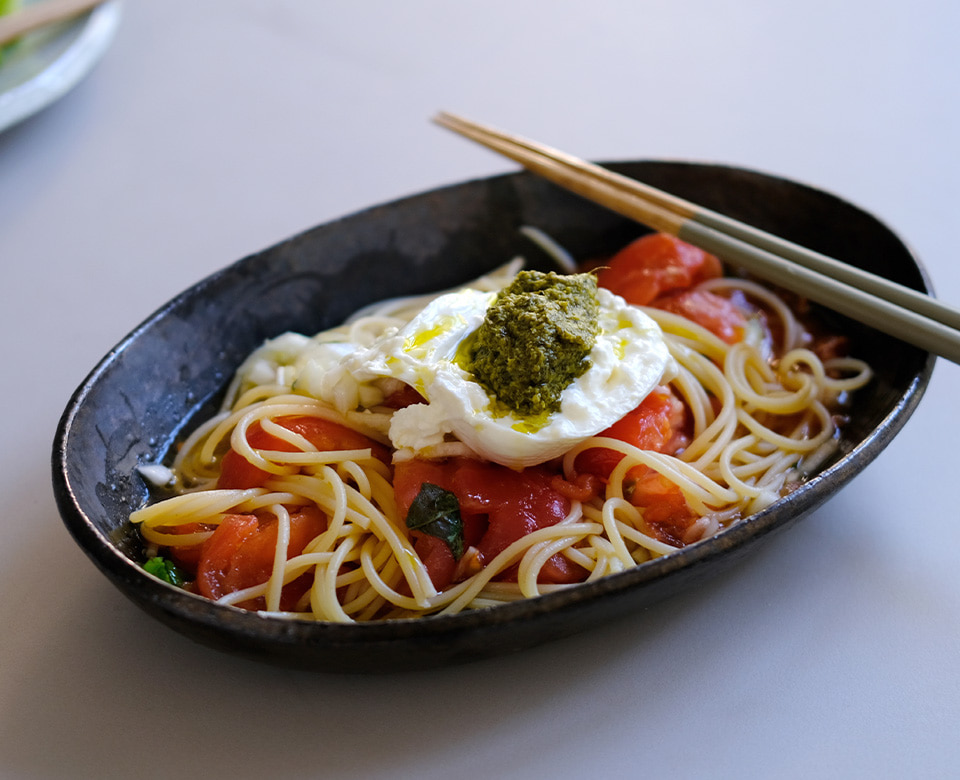
![[마루히로 하사미] Takahiro Yasuda TAGAYA 볼 (5size / 5type)](https://img.hmmm.pub/brands/maruhiro/products/8d7e25a6-840c-4bcc-b3bc-567fd84c4bc1/1.jpg)