Why is the bottom buttonhole of a shirt horizontal?
When buttoning a shirt, you may notice that while the upper buttonholes are vertical, only the bottom one lies horizontally. This raises the question of whether this finish serves a specific purpose.
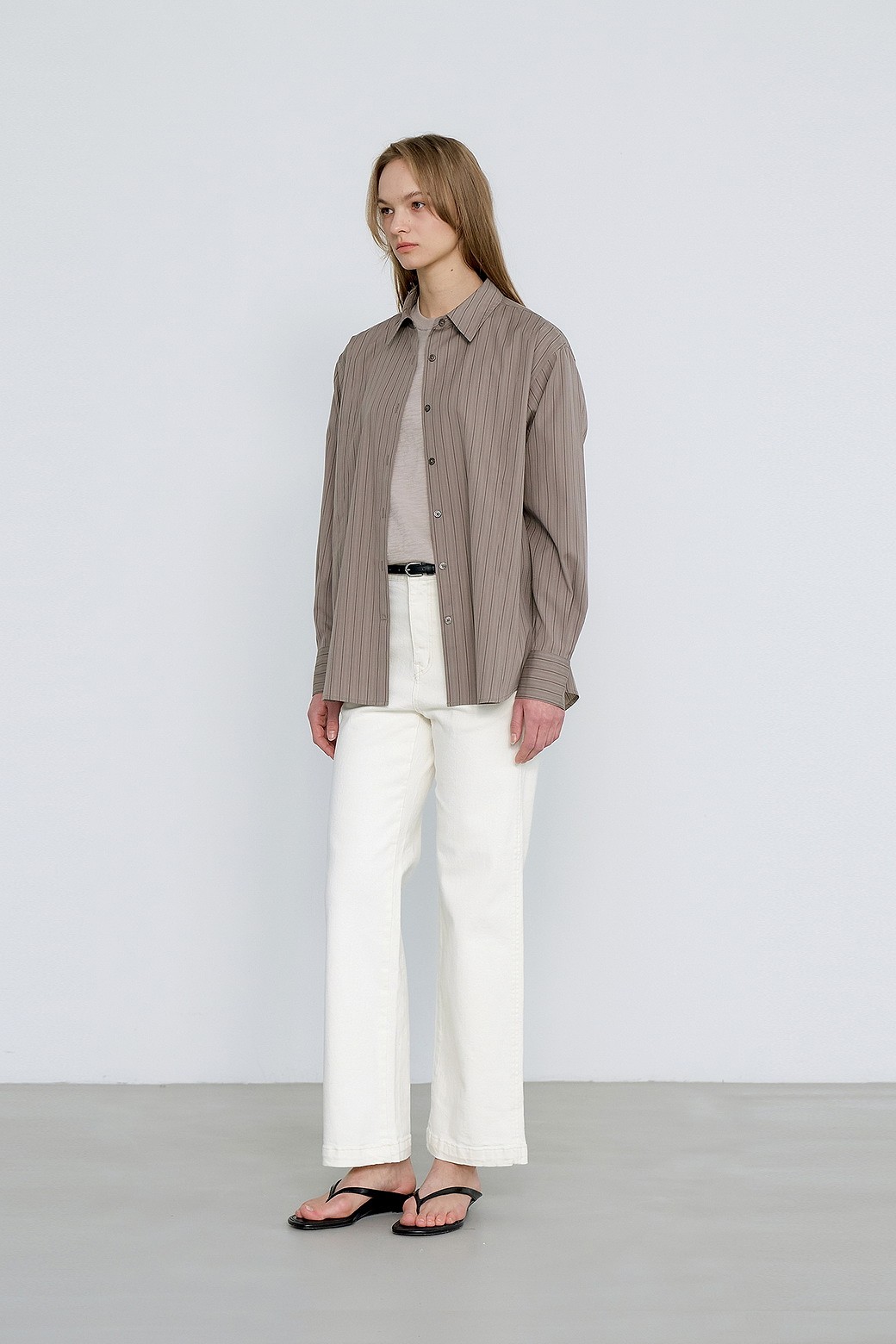
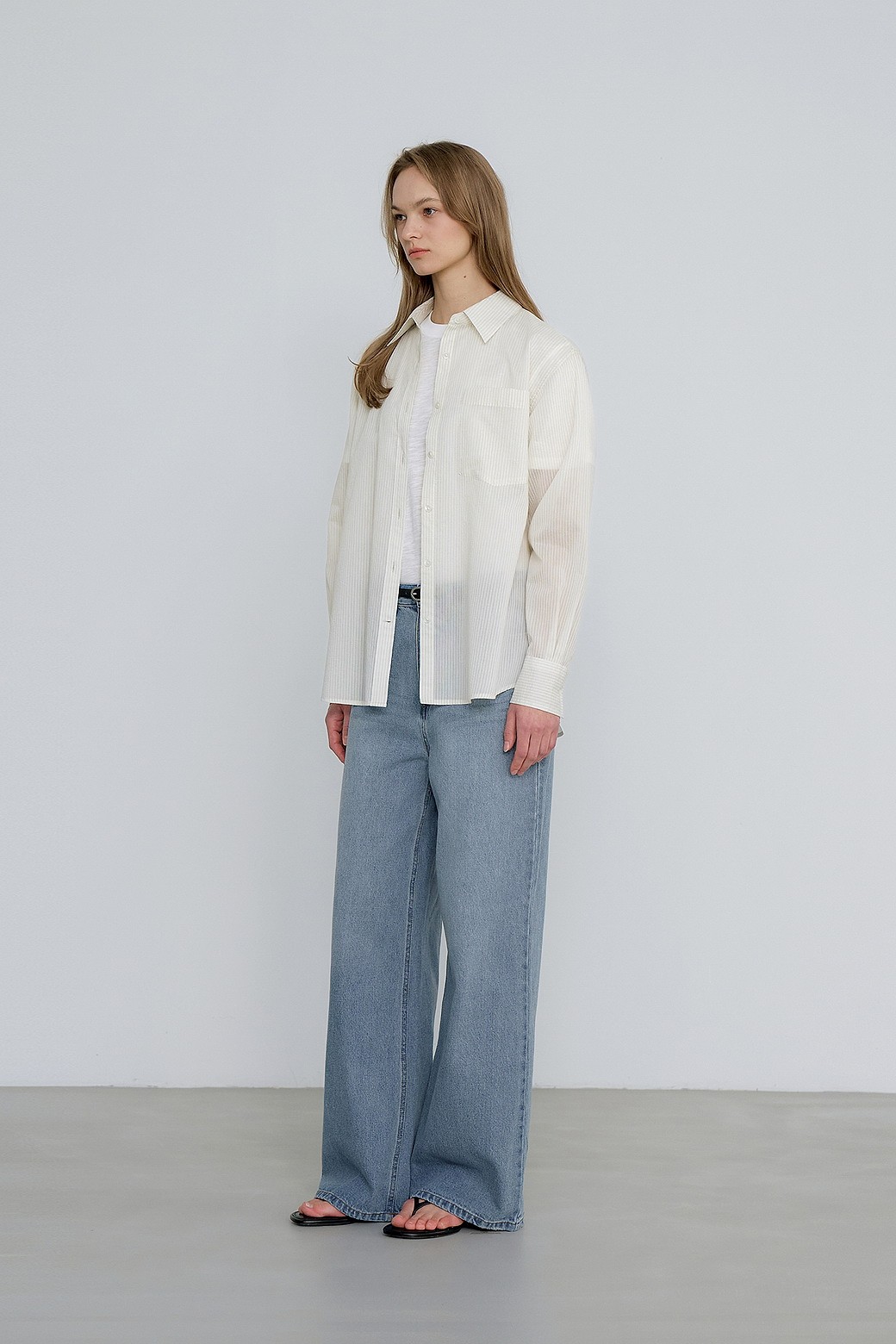
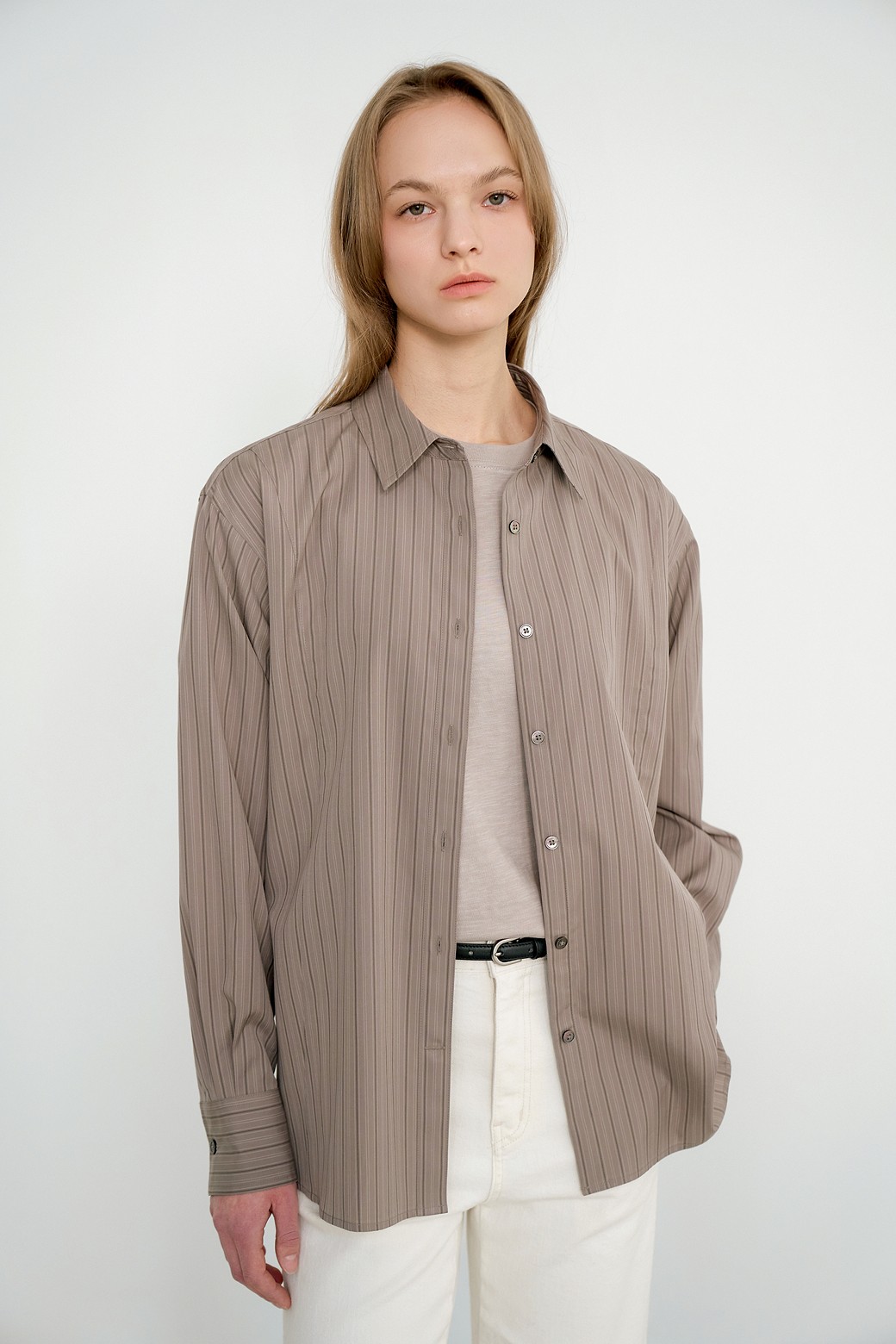

Unlike the upper buttonholes, making the bottom buttonhole horizontal helps absorb the left-and-right pull that occurs when sitting or moving, preventing the button from easily coming undone.
While the upper buttonholes are oriented vertically, the bottom buttonhole alone lies horizontally. The oversized stripe shirt and oversized multi-stripe shirt from 24/7 series are finished with a horizontal buttonhole at the very bottom hem[1][2].
Generally, shirt buttonholes are often made vertically so they are easy to fasten with one hand. However, the bottom hem where the button is placed receives the greatest pulling force from both sides when sitting on a chair or bending over. In such moments, if the buttonhole were vertical, the button could easily slip through the gap under the force pulling left and right. Turning the buttonhole horizontally causes the pulling force to catch against the firm stitching at the end of the hole, allowing the button to stay stably in place.
Even when the shirt hem is tucked into pants, it also serves the role of withstanding friction and pulling around the waistline, helping prevent the button from being ripped off.
hmmm, though it is a small difference of rotating the direction of just one buttonhole, it is a design feature that quietly supports daily movements such as sitting down and standing up.
Whether this horizontal buttonhole is commonly applied to other shirt lines introduced by the brand has not yet been confirmed in official materials.