It is misfortune-preventing salt placed in a shoe cabinet, but is it actually okay to eat?
Since it appears to be for misfortune-preventing purposes placed at the entryway or shoe cabinet, it is easy to be confused about whether it can be placed on the dining table. After leaving it as a symbolic prop, you may wonder if you can use it in food without throwing it away.
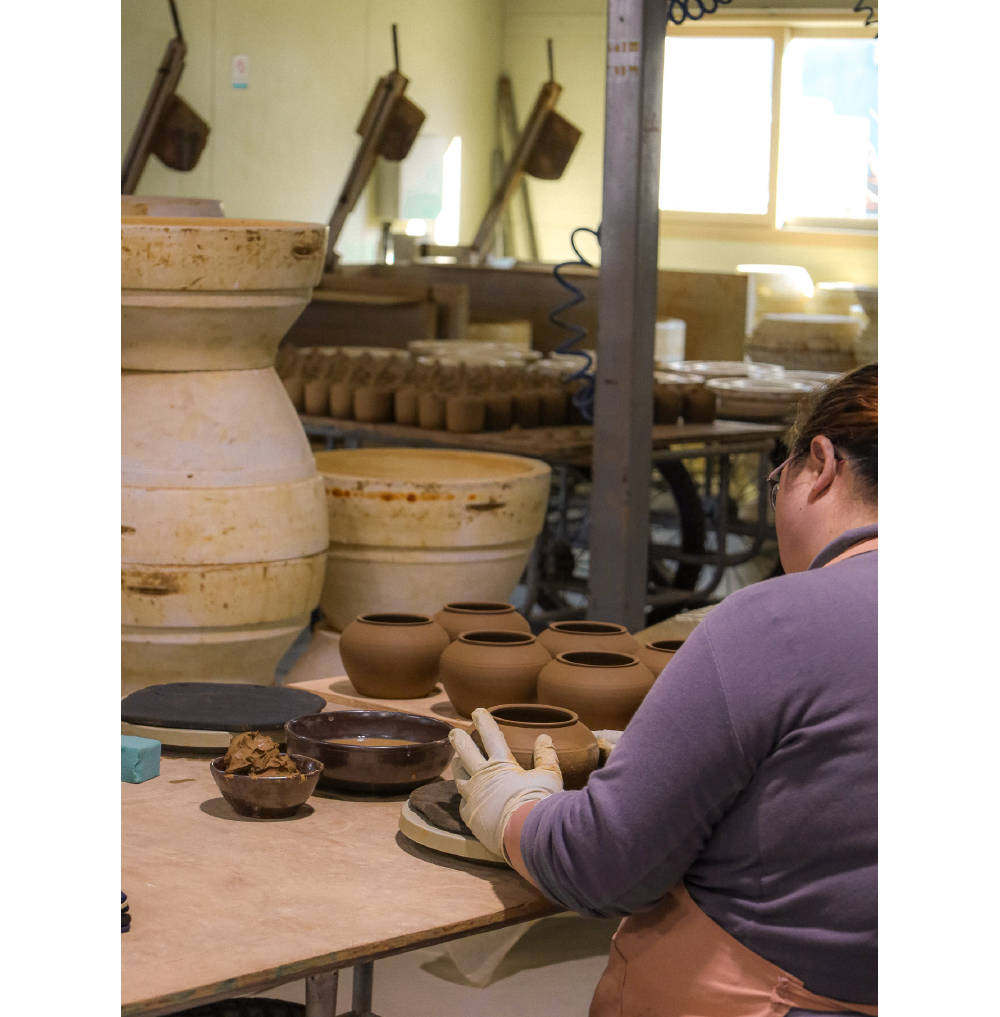
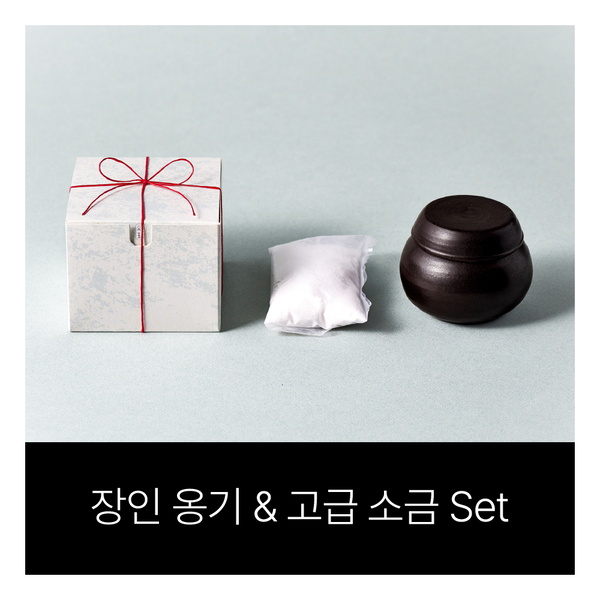
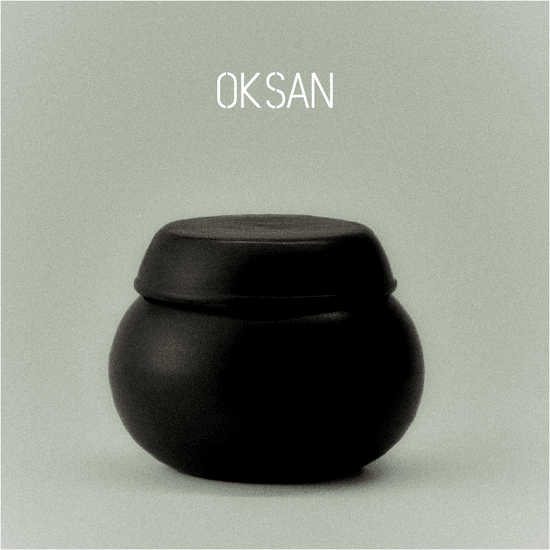
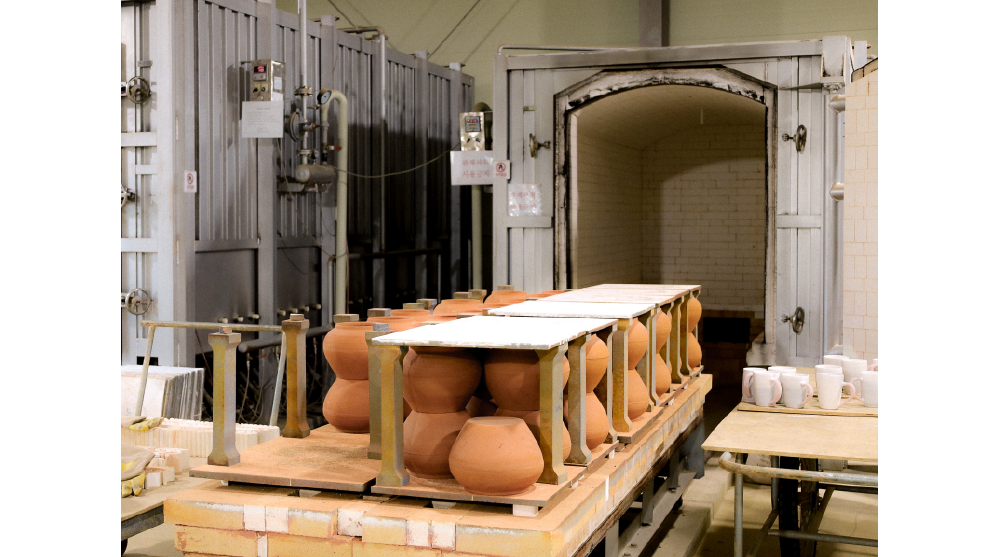
Although it is guided to be placed in front of the door or in the shoe cabinet, it is pure salt with impurities removed during the manufacturing process, so it is fine to put it in cooking and eat it.
Although it is guided to pour the salt into the onggi, close the lid, and place it in front of the door or in the shoe cabinet[1], the salt that goes inside is actually edible salt that you can eat[2].
OKSAN's salt is stored in an earthenware onggi for over 5 years to drain the bittern, and is roasted at a high temperature of 1000℃ to remove impurities[3]. Because it is roasted salt that has had the bitter-tasting bittern and impurities shaken off, it can be used directly to season everyday cooked food such as stews or side dishes.
However, if you want to use salt that was placed at the entryway or in the shoe cabinet for cooking, you must check its storage condition first. Salt has the property of absorbing surrounding moisture and odors, so if it has been left for a long time in a space that is poorly ventilated and where shoe odors linger, it is better to check whether it has absorbed unpleasant smells before putting it into food.
The recommended storage period for how long it can still be used for food after being placed at the entryway or in a shoe cabinet for misfortune-preventing purposes has not yet been confirmed.
Product measurements
View details
액막이 옹기소금 set
Other stated figures
| Part | Value |
|---|---|
| 무게 | 110g |
| 천일염 ◦ | 100cm |
For rows marked with ◦, flat measurement or circumference could not be confirmed in official sources, so hmmm determined them using figures from the same item.