Why are there 4 oxalis leaves drawn on the Yotsu-Katabami tenugui instead of 3?
Oxalis growing in nature has 3 leaves, but the pattern depicts 4 leaves, which raises curiosity about the reason. This question aims to check whether there is a special meaning or purpose behind the detail in the pattern.
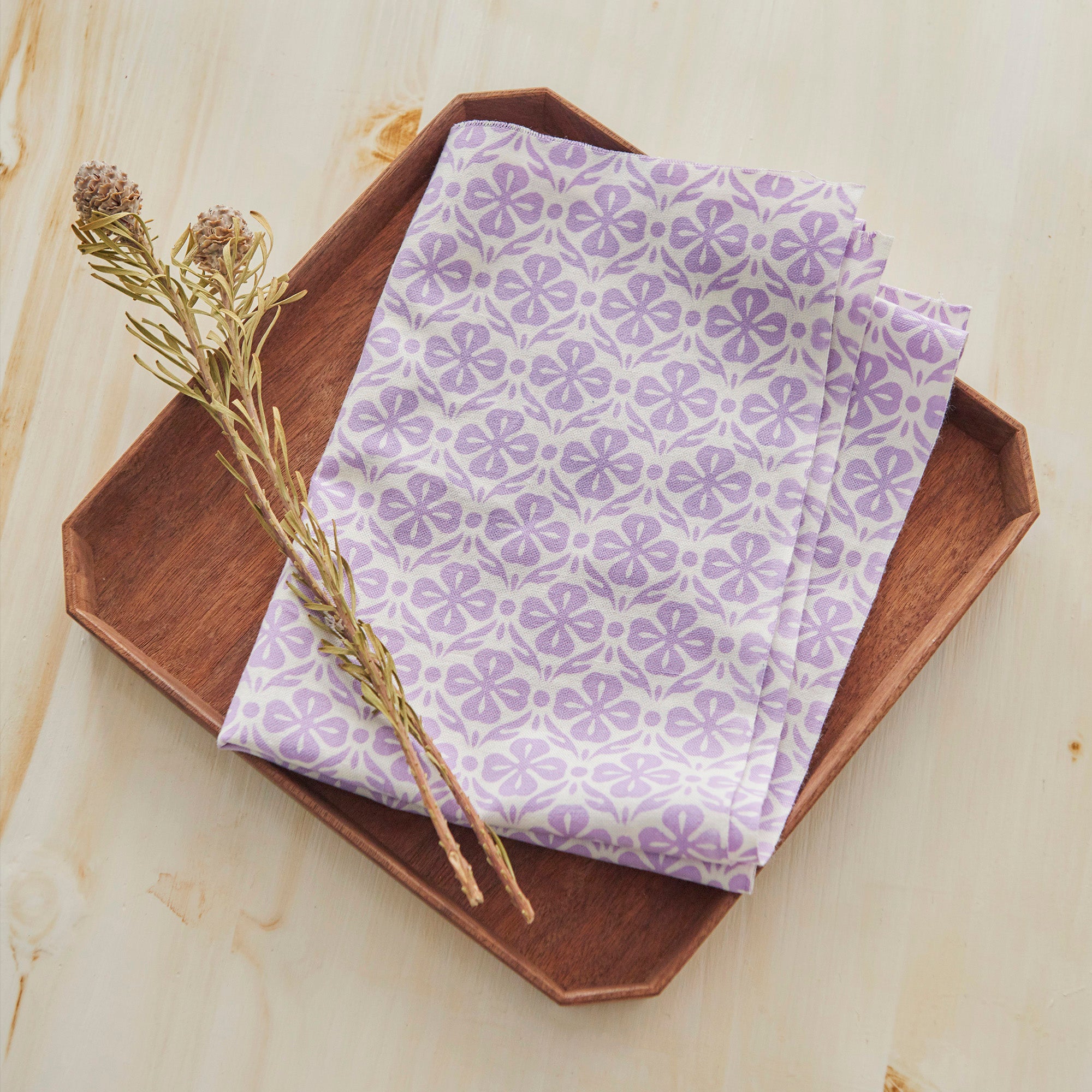
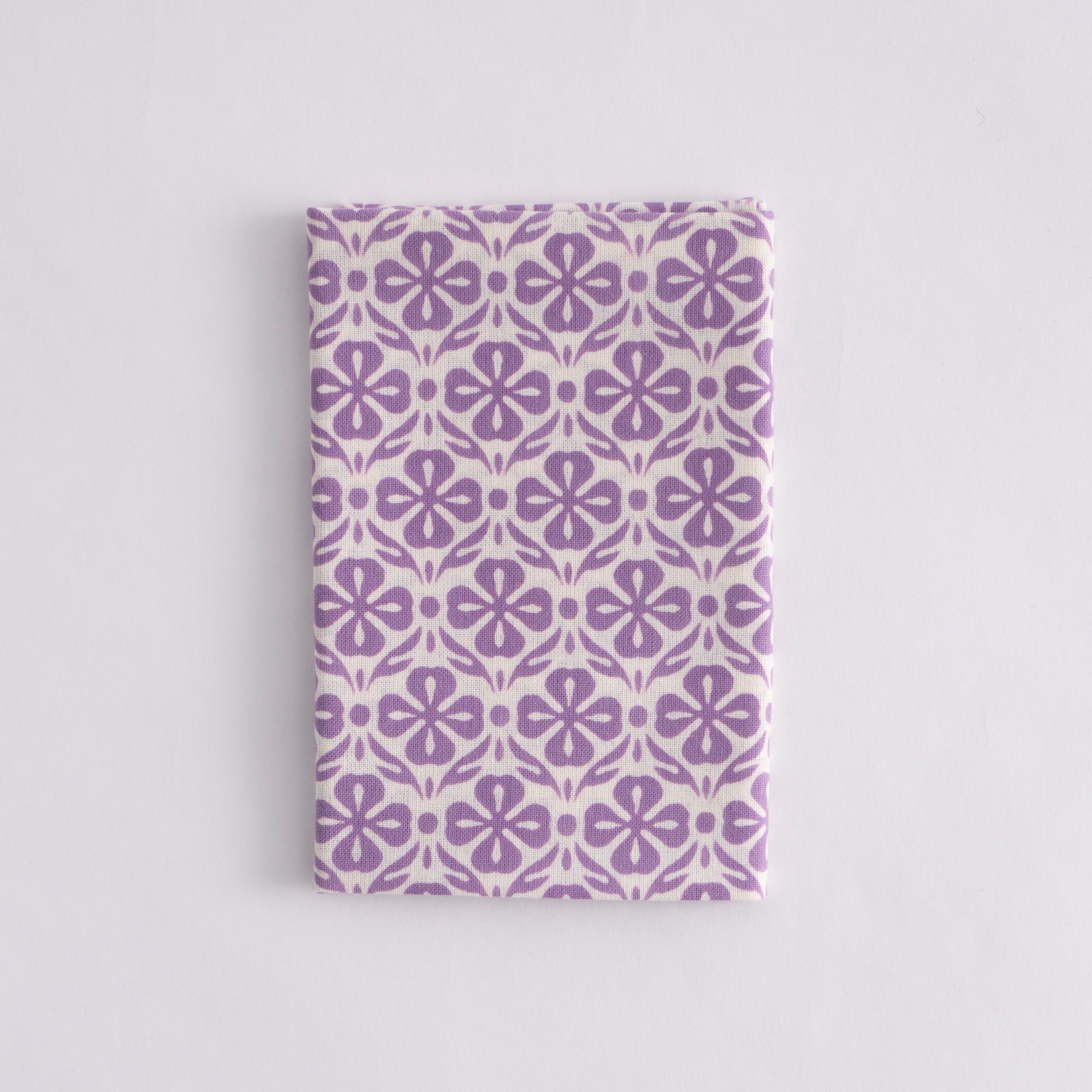
The leaves were increased to 4 in order to present oxalis, which originally has 3 leaves, as a motif signifying good luck just like a 4-leaf clover[1].
Oxalis growing in nature has 3 leaves, but the oxalis in KAMAWANU's Yotsu-Katabami pattern meets you with 4 leaves[2]. Oxalis, commonly called creeping woodsorrel, is a flowering plant where 3 small heart-shaped leaves grow together. KAMAWANU completed the pattern with 4 leaves by adding 1 leaf so that, like a 4-leaf clover, it becomes a motif that conveys good luck to the person using this fabric[3].
The pattern placed on the fabric is dyed directly by hand by artisans using the CHUSEN dyeing technique[4]. CHUSEN is a dyeing method where dye is poured over folded fabric so it penetrates downward, dyeing evenly all the way into the threads. Unlike general printing where pigment is placed on the surface, the dye soaks deep into the fibers, clearly revealing the pattern without distinction between the front and back of the fabric.
The specific time when the tenugui with the Yotsu-Katabami pattern was first designed has not yet been confirmed.
Product measurements
View details
Oxalis Yotsu-Katabami TENUGUI
Other stated figures
| Part | Value |
|---|---|
| 길이 ◦ | 90cm |
| 폭 | 33cm |
For rows marked with ◦, flat measurement or circumference could not be confirmed in official sources, so hmmm determined them using figures from the same item.