What role does the complete works list at the very end of 『Words Without Music (음악 없는 말)』 play when reading the book?
Upon discovering the extensive list of works at the very back of the memoir, one may wonder how this appendix connects to and is used alongside reading the main text.
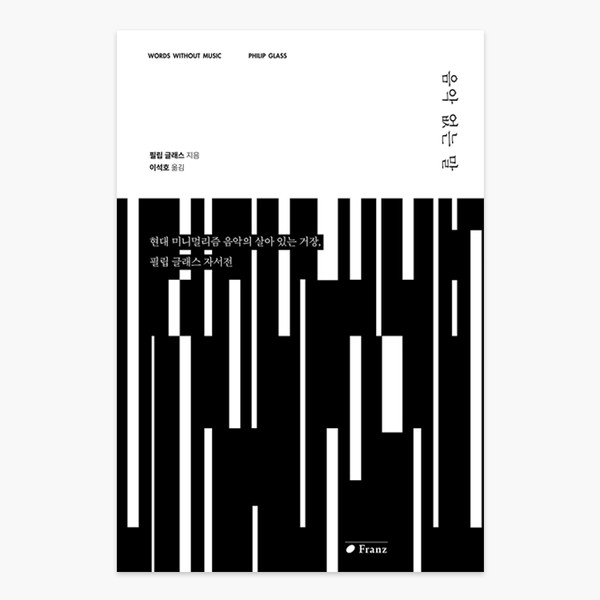
It helps readers cross-reference and examine the chronological flow of all the works he left behind while following the musician's life and artistic world depicted in the book[1][2].
Turning the pages all the way to the end, you encounter a densely packed list behind the main text. Published by Franz, 『Words Without Music (음악 없는 말)』 is a memoir in which composer Philip Glass unfolds his artistic world and life journey[3]. At the end of the book, his entire catalog of works is included without omission in chronological order[4].
It is an extensive record. When reading anecdotes or creative backgrounds of a particular period in the memoir, opening the list at the back allows you to immediately find the music composed during that time and match the flow[5]. It serves as a guide line for following the written text with your eyes while searching for and listening to the actually released pieces with your ears.
hmmm, it is akin to a solid bridge connecting the reminiscence left in print and the music left in sound.
The specific number of included pieces and detailed classification criteria of the complete works list have not yet been confirmed.