What kind of fabric is B-GRID mentioned in the backpack description?
Sometimes you may wonder what role unfamiliar fabric names and English fiber symbols listed in backpack product guides actually play.
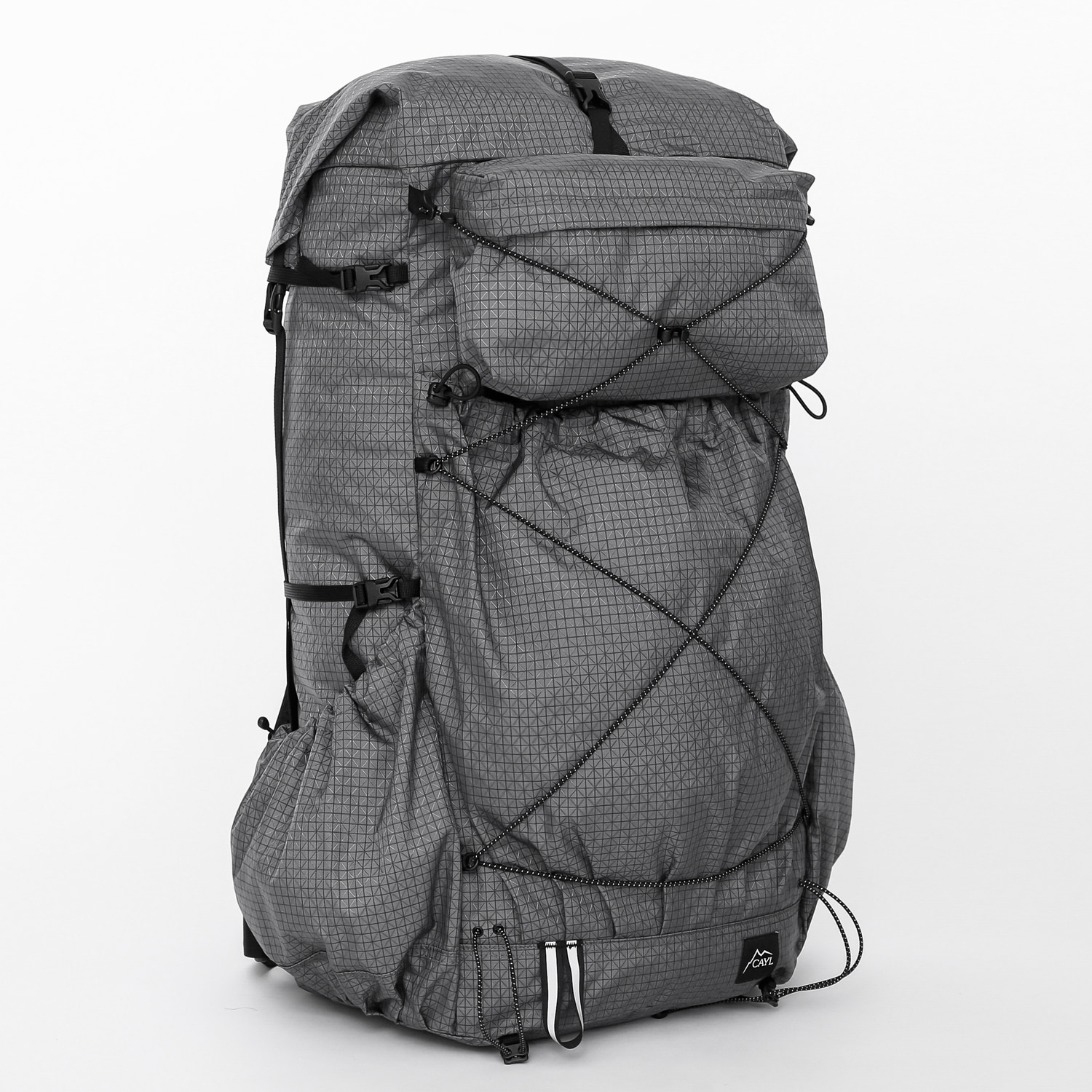
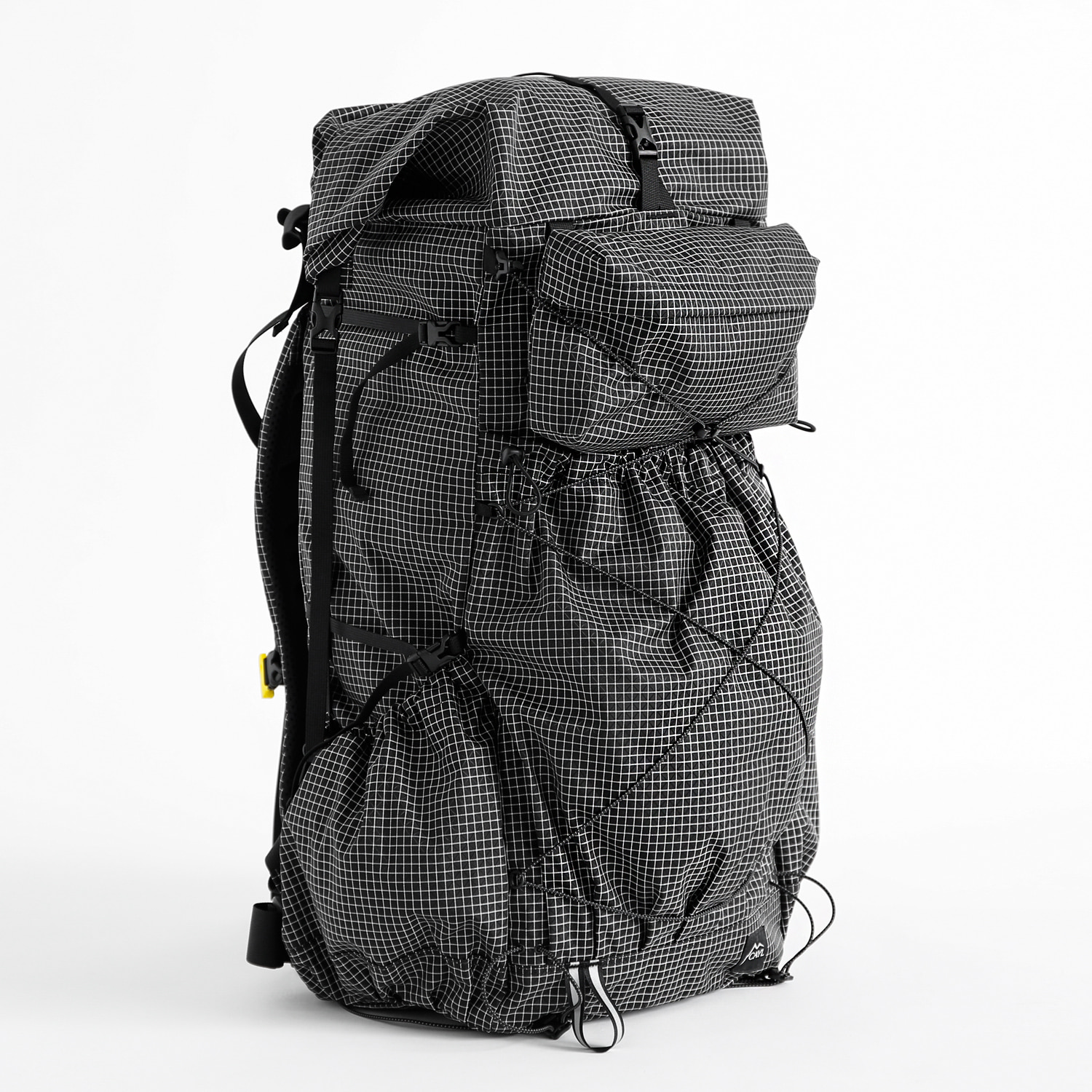
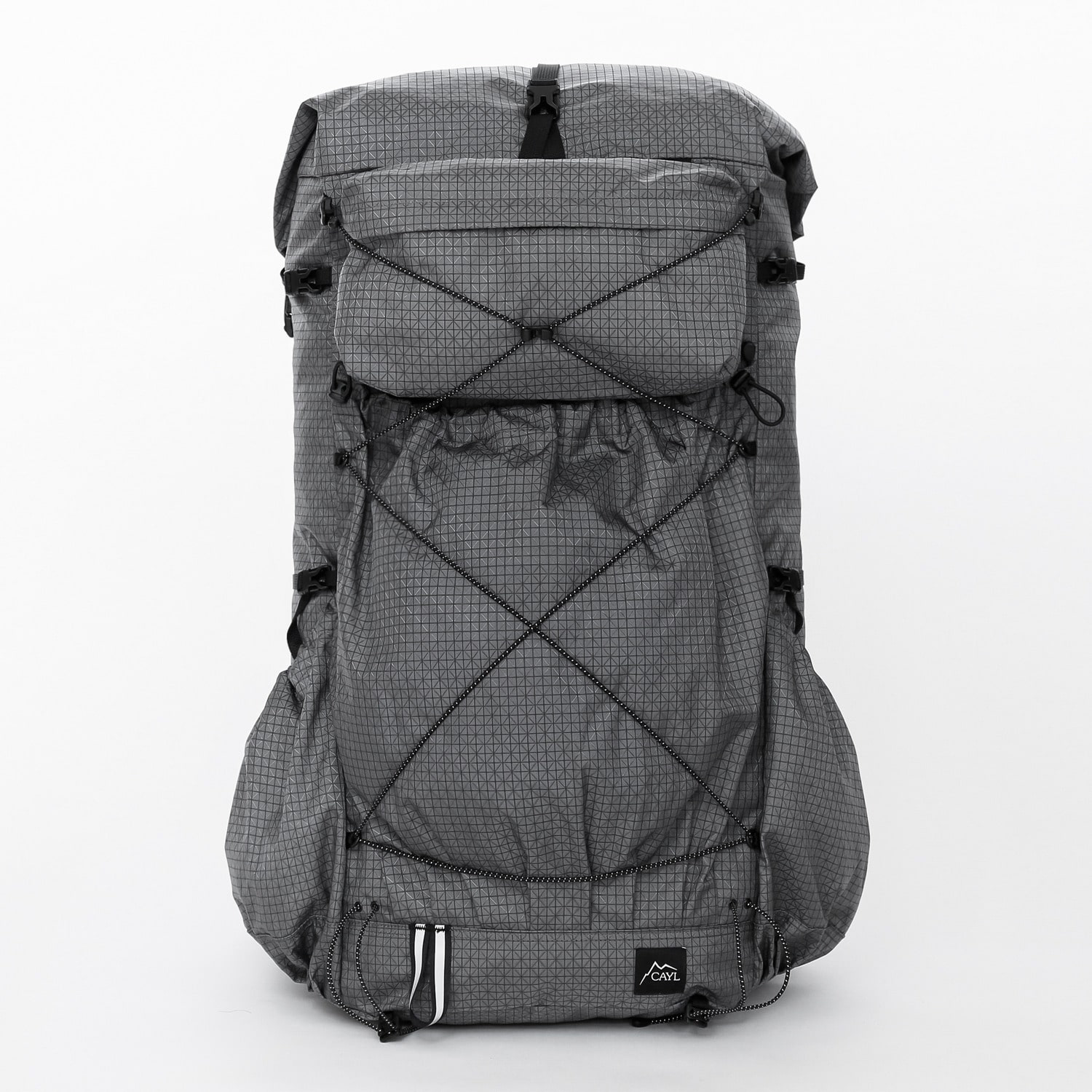
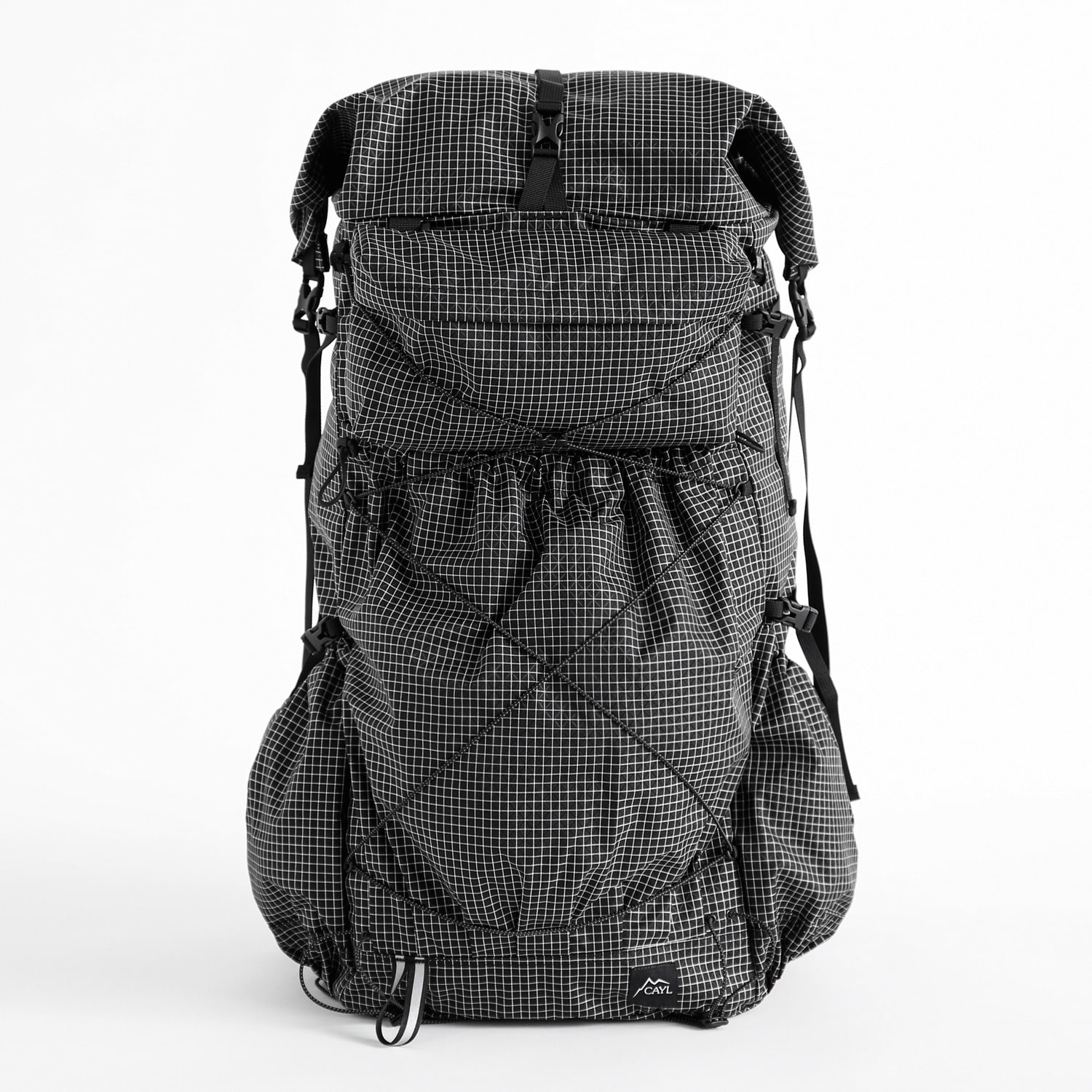
It is a proprietary fabric developed so that the fabric does not tear easily by weaving special fibers resistant to friction and pulling in a grid structure over a lightweight nylon base.
Grid fabric refers to a weaving method in which tough yarns are laid out in a grid pattern on a base fabric to prevent tearing. CAYL, an outdoor bag maker, utilizes these characteristics to apply its proprietary B-GRID fabric to key products[1].
The backbone of this fabric consists of a combination of two high-performance fibers. A durable 210D Nylon Robic is used for the basic base, and 400D UPMWPE yarns are woven into the grid lines[2][3]. UPMWPE is an ultra-high-molecular-weight polyethylene fiber, a high-strength material with extremely excellent tensile resistance compared to its weight.
To prevent the backpack fabric from tearing easily when brushed against rough rocks or tree branches, the thick and solid reinforcing yarns absorb and distribute the impact and physically block tears from spreading. It is a structure tailored with specific yarn types and thicknesses so the backpack can hold up in harsh mountaineering environments while keeping a light weight.
The specific water resistance rating and surface water-repellent coating method of the B-GRID fabric have not yet been confirmed.
Product measurements
View details
BAEKDU 2 _ 백두 2 (b-grid) / grey
Other stated figures
| Part | Value |
|---|---|
| 용량 ◦ | 55l |
For rows marked with ◦, flat measurement or circumference could not be confirmed in official sources, so hmmm determined them using figures from the same item.
BAEKDU 2 _ 백두 2 (cayl grid) / black
Other stated figures
| Part | Value |
|---|---|
| 용량 ◦ | 55l |
For rows marked with ◦, flat measurement or circumference could not be confirmed in official sources, so hmmm determined them using figures from the same item.