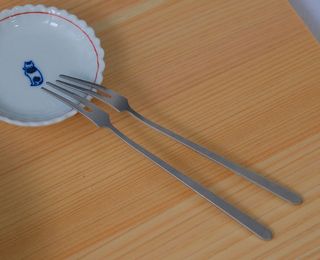
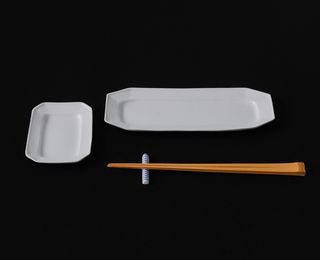
I have selected a list of five plates and cutlery pieces that are great to take out and use right away for welcoming guests on moving day: Azmaya's sumikiri octagonal plates in two sizes, Nakagawa Masashichi Shoten's Yoshino cedar chopsticks set of 10 pieces and stainless hime fork set of five pieces, Sori Yanagi's [소리야나기] 스텐 커트러리 파스타포크, and Nakagawa Masashichi Shoten's enamel cutlery spoon and fork. Even in a home with unpacked luggage, once just a few neat dishes and cutlery pieces are set on the table, a hospitable setting quickly takes shape.
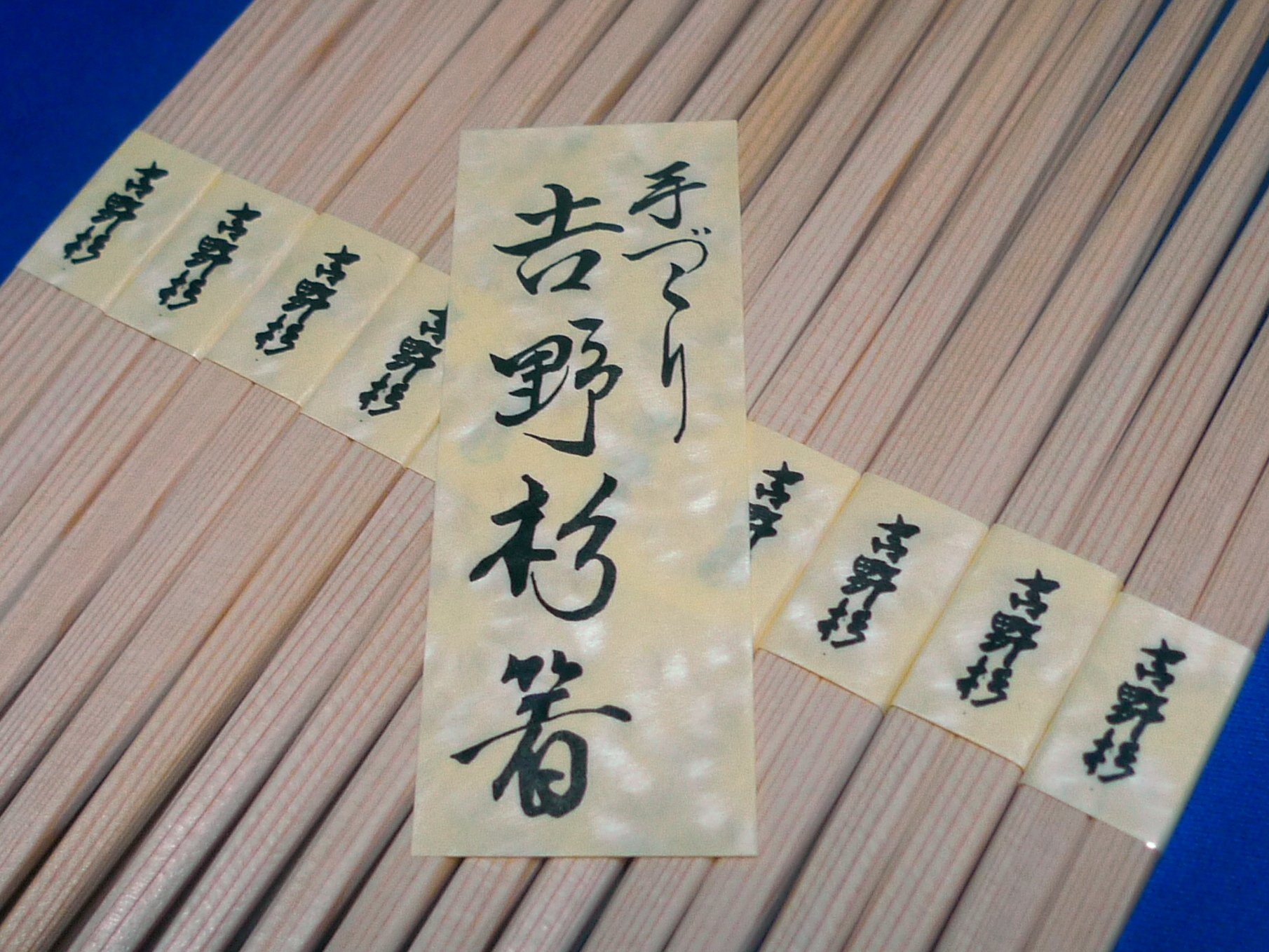
Yoshino cedar chopsticks originated from the Rikyu chopsticks that tea master Sen no Rikyu carved by hand from cedar every morning in the past to serve tea gathering guests with care. The shape, with slender ends and a thicker middle, carries the meaning of humans and gods sharing food together, making it perfect for welcoming treasured guests. Being tools made by thoughtfully carving leftover wood from building materials or sake barrels rather than discarding it, the breath of the forest and a warm heart dwell within them.
Since the full picture of the table setting might not be set yet, shall we narrow down by one criterion first? Would you like to look at lighter options, or narrow down to ceramic, or under KRW 100,000?
↳ Under KRW 100,000
I have selected five pieces of tableware and cutlery within KRW 100,000 that will calmly harmonize the mood of the table: Azmaya's rectangular plate bordered with a neat brown line, Nakagawa Masashichi Shoten's modest [나카가와상점] 시가라키야키 높은 콩접시, 10 pairs of straight-grained Yoshino cedar chopsticks, and Nakagawa Masashichi Shoten's enamel spoons and forks, prepared in both small and large sizes.
Shigaraki ware began to be treated as tea utensils during the Muromachi period as tea practitioners, including Sen no Rikyu, discovered beauty in the rustic, everyday household vessels of common folk. In the fierce flames of wood-burning kilns, falling ashes settled on the clay surface and formed natural green glazes, which were appreciated as unique landscapes shaped by clay and fire. Rikyu boldly elevated rough-textured storage jars from farmhouses into formal tea ceremony water jars, and this aesthetic of subtraction became the essence of wabi-sabi.

Whether ceramics carrying the raw breath of clay or smooth enamel, both are wonderful items that each add their own distinct charm to everyday table settings. Among these, shall we narrow down the texture that meets your touch a bit more? Shall we look at stainless steel, items gentle on the skin, or size L?
![[아즈마야] Azmaya 브라운 라인 사각접시 - 직사각형 접시](https://img.hmmm.pub/brands/azmaya/products/798c9f74-6de0-4143-8cc8-c884c8e3e2d9/9bf6322ea0a8e8c0-320.png)
![[나카가와상점] 법랑 커트러리 스푼 포크](https://img.hmmm.pub/brands/nakagawa-masashichi/products/fee46562-e421-4ba5-a2d9-6b40b26baa35/0-320.jpg)
![[나카가와상점] 시가라키야키 높은 콩접시](https://img.hmmm.pub/brands/nakagawa-masashichi/products/b46d06aa-b08f-4824-a108-0020702b9a6a/f343e3aafcdf803d-320.png)
![[나카가와상점] 법랑 커트러리 스푼 포크](https://img.hmmm.pub/brands/nakagawa-masashichi/products/3a64a18c-58cc-43cc-ac0b-1e004efa53ad/daa2fb249fb7d9f9-320.png)
![[나카가와상점] 요시노 삼나무 젓가락 (10pcs)](https://img.hmmm.pub/brands/nakagawa-masashichi/products/baef45b6-298e-4ef8-84e5-737c94493390/0-320.jpg)
↳ To stainless steel
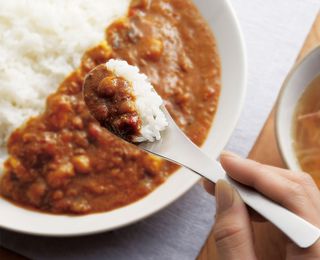
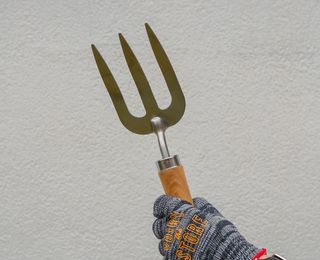
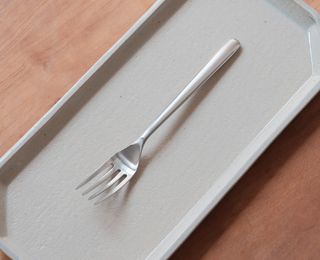
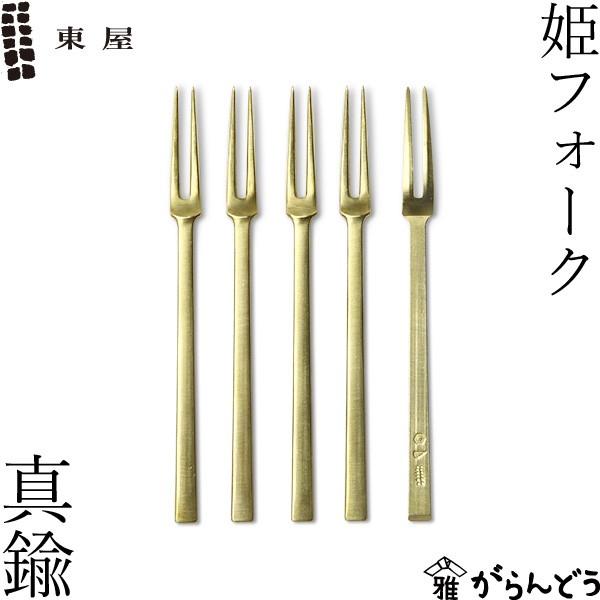
From Kajidonya's curry spoon to DULTON's [덜튼] 가드닝 포크, Sori Yanagi's pasta fork, and Nakagawa Masashichi Shoten's cake fork and hime fork set. They are metalware that hold up solidly against moisture and seasonings on the table, giving you peace of mind when taking them out to use every day.
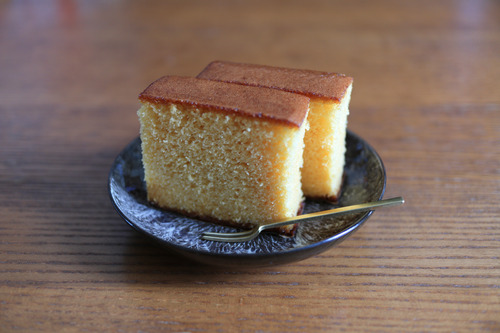
The hime fork is a dessert utensil that established itself distinctly through the encounter of Western fork culture and Japanese tea ceremony aesthetics. Inheriting the delicate role of thin wooden skewers once used to pick up wagashi at tea ceremonies, it was refined to be much smaller and sleeker than a cake fork. Given a name meaning princess thanks to its charming appearance that fits snugly in the palm of one's hand, it allows you to pick up small confections or desserts without disturbing their shape.
Do you need dining tools to set on the table every day, or are you looking for small forks to place beside tea or dessert?
Final Selected Products