Why is a small booklet containing the workers' conversations included among the prints?
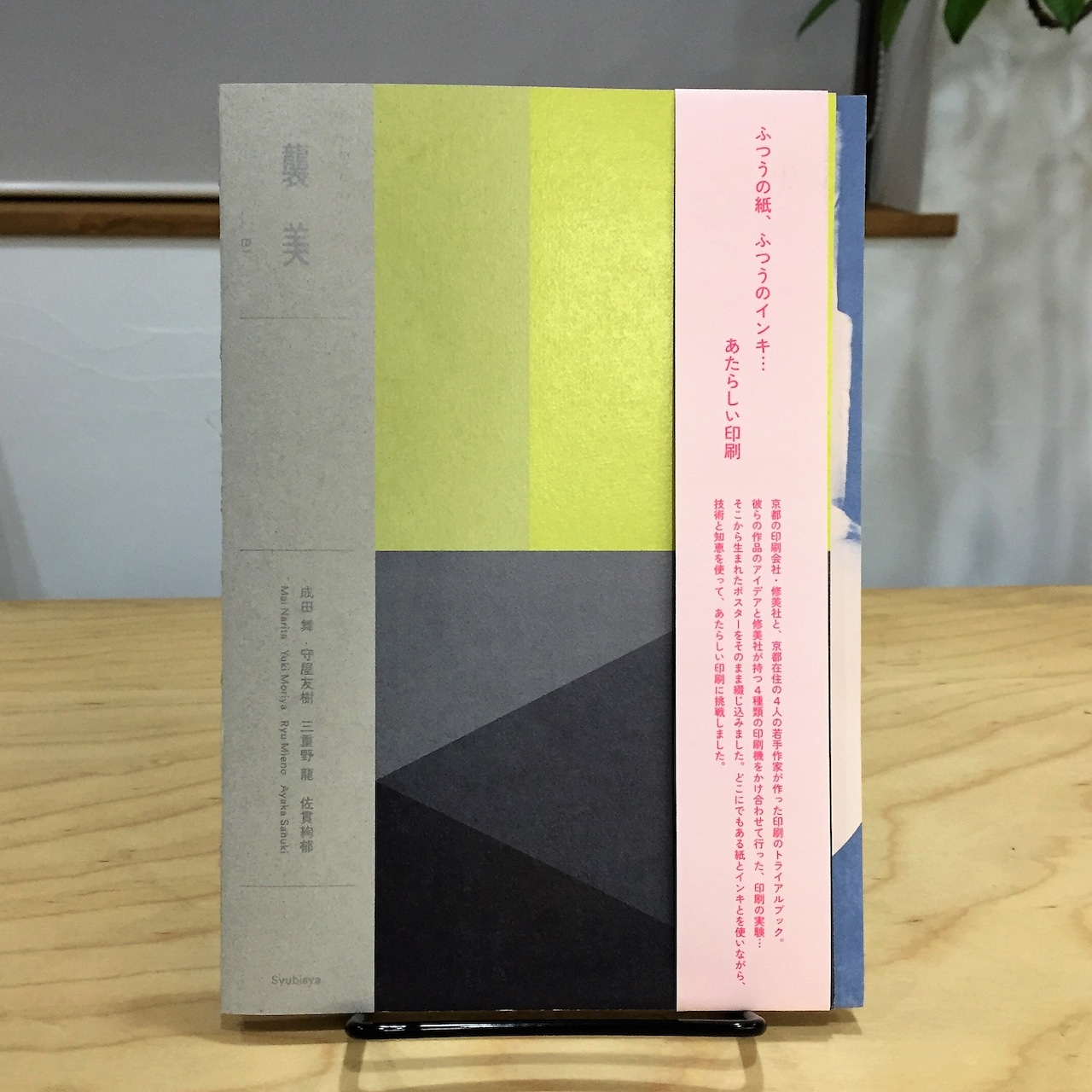
While looking into the composition of the trial book 『Kasanebi (襲美)』, I wondered why a separate booklet recording the conversations from the work process was included alongside the posters.
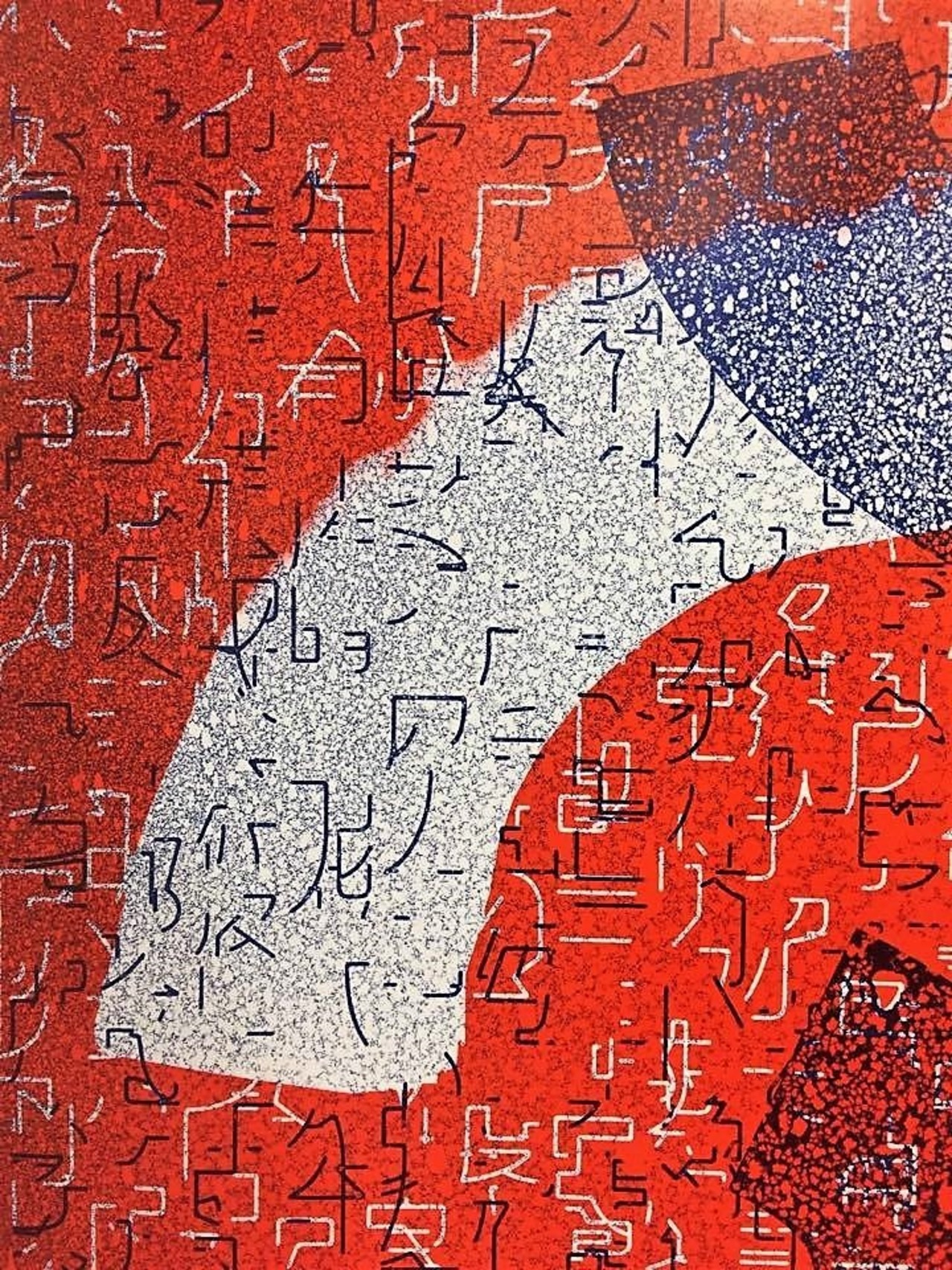
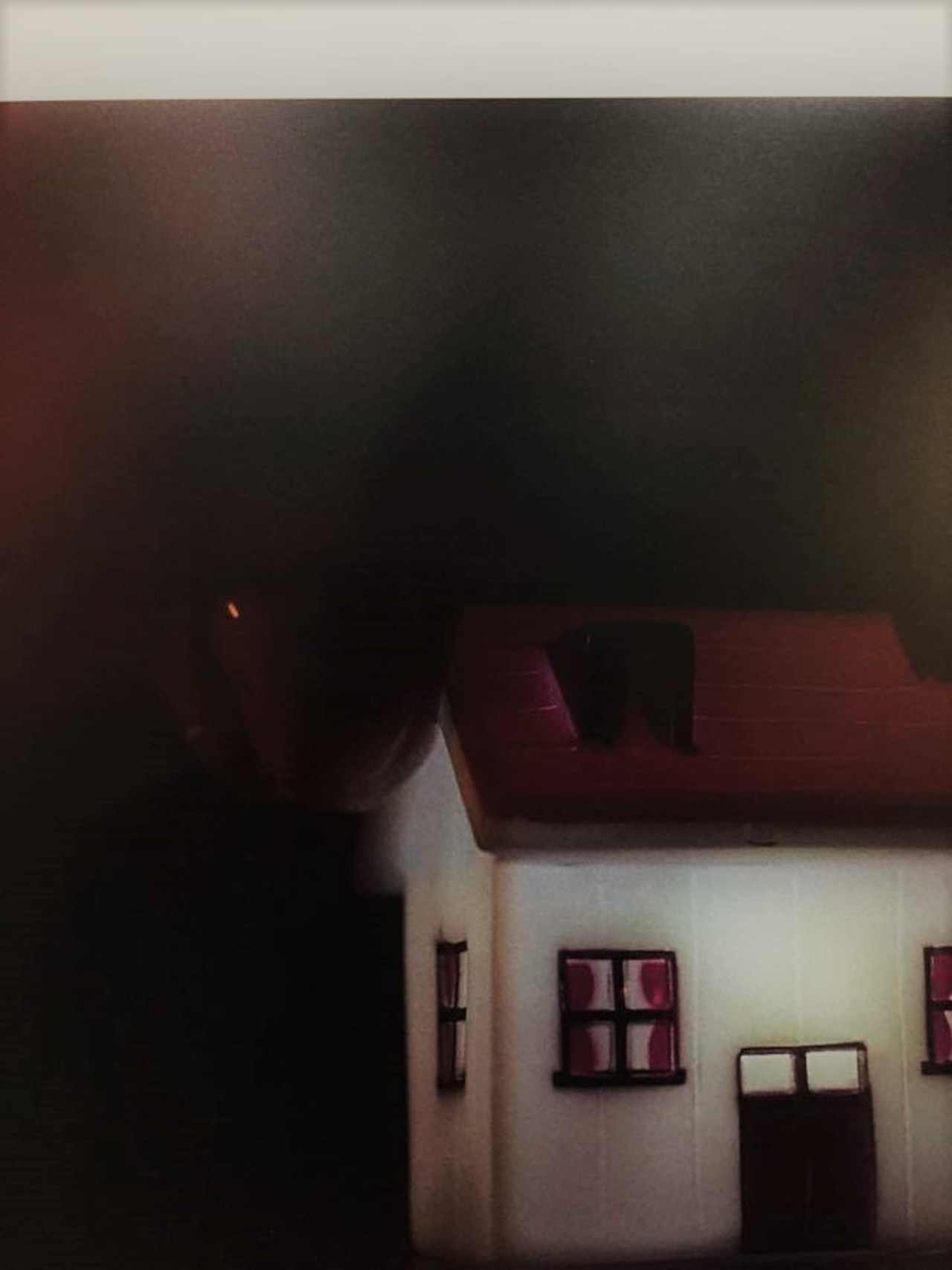
It is to help viewers understand the context in which the final result came about, by reviewing the commentary and communication that took place at the printing site as they appreciate the finished posters.
A trial book refers to a kind of experimental sample collection that assesses in advance what kind of result is produced when printing technology and paper meet. 『Kasanebi (襲美)』, published together with four young artists living in Kyoto by 修美社, which runs syubisya PRINTING lab, is also a book compiling such printing experiments[1]. Posters tested by matching the artists' working ideas with four types of printing presses owned by the printing house are bound directly inside the book[2].
It does not contain only the finished prints. Bound together inside the book is a booklet that records the communication shared among the printing site operators, artists, and designers until the prints came out[3]. The recorded conversations serve as a kind of commentary. These two are placed side by side so that readers can look at the prints while reading the commentary[4]. hmmm, it is an approach that seeks to fully reveal the layers of the printing experiment by laying out and showing together the tuning process hidden behind the finished result.
The specific methods and models of the four types of printing presses used to print the posters have not yet been confirmed.