Threads are fraying from both ends of the tenugui; is it okay to leave them as they are?
Because there is no stitching along the edges, seeing threads fray after washing might make you wonder if something is wrong with the product.
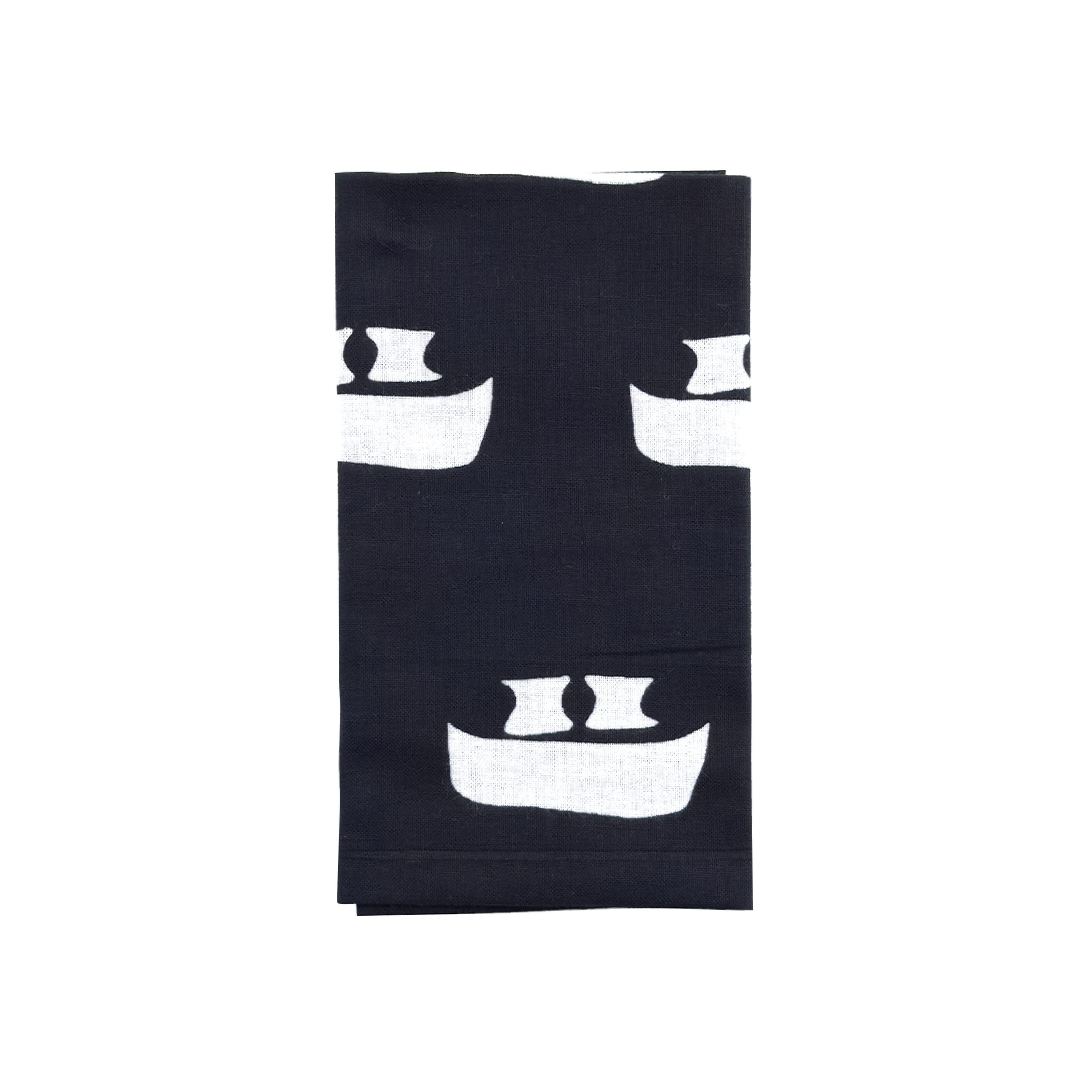
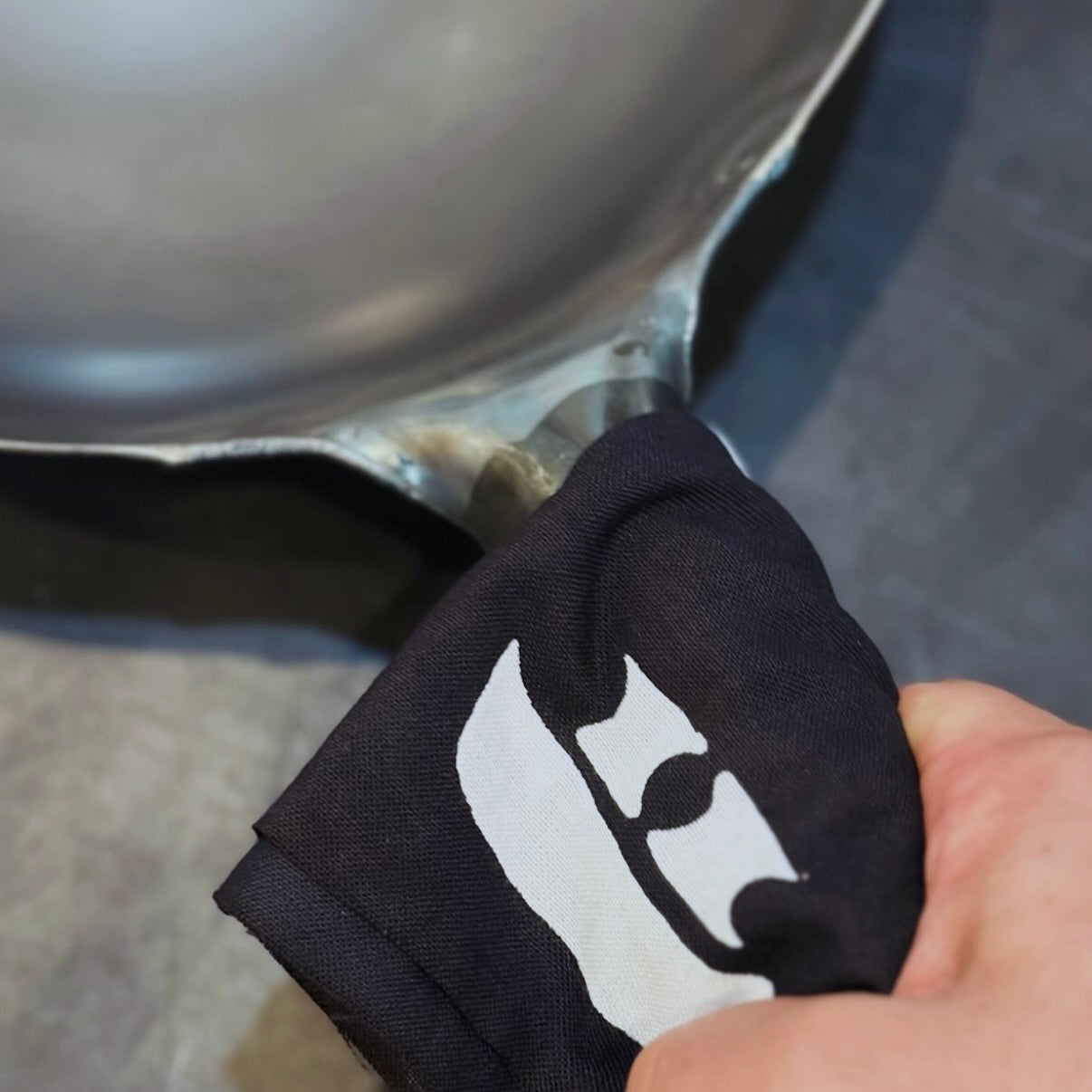
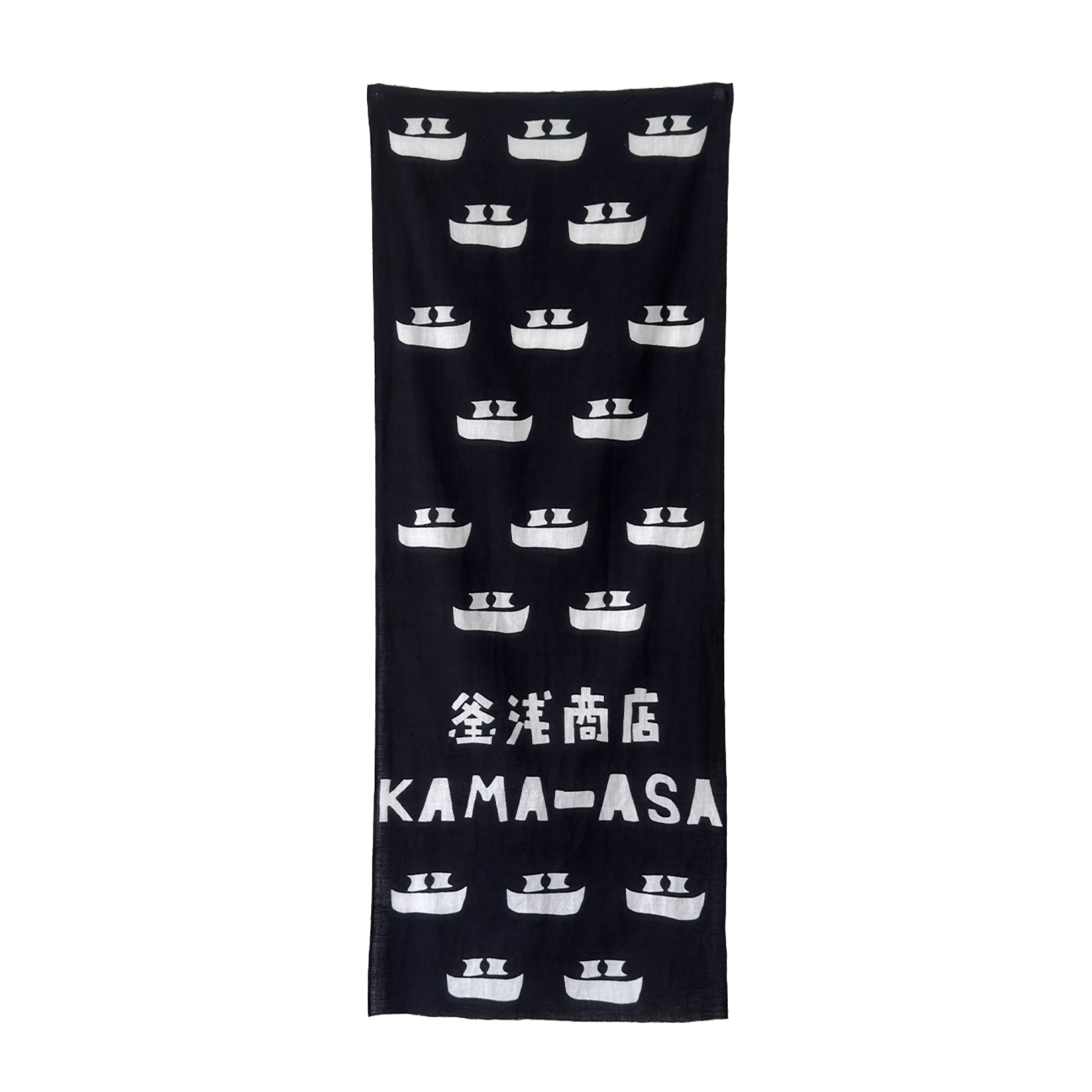
Because the structure has both ends cut without hems, threads fray the more it is washed, but it naturally stops at about 1cm.
It frays. However, it does not fray endlessly; it stops. KAMA-ASA's tenugui is made with the fabric left cut as it is, without stitched finishes at both ends[1]. When it comes into contact with water and undergoes washing, threads unravel from the edges, but the fraying stops at around about 1cm[2]. If you use it while simply trimming away only the long protruding threads with scissors, the fibers will tangle and settle into a natural fringe shape.
The care rule provided by the official material is simple. For the first few times, it must be hand-washed with water only, without using any detergent at all[3]. A tenugui has no folded-and-stitched seams, so moisture does not pool and it dries quickly, but until the fibers become accustomed to rinsing, care by washing gently in clear water without detergent is required.
The specific point in time when regular detergent can be used after going through the first few water washes has not yet been confirmed.