Why are the margins around the rubber stamp plate carved out?
The shopper noticed that the area outside the stamp's rubber design is deeply hollowed out and is curious about its purpose. They want to know what difference it actually makes when stamping on paper.
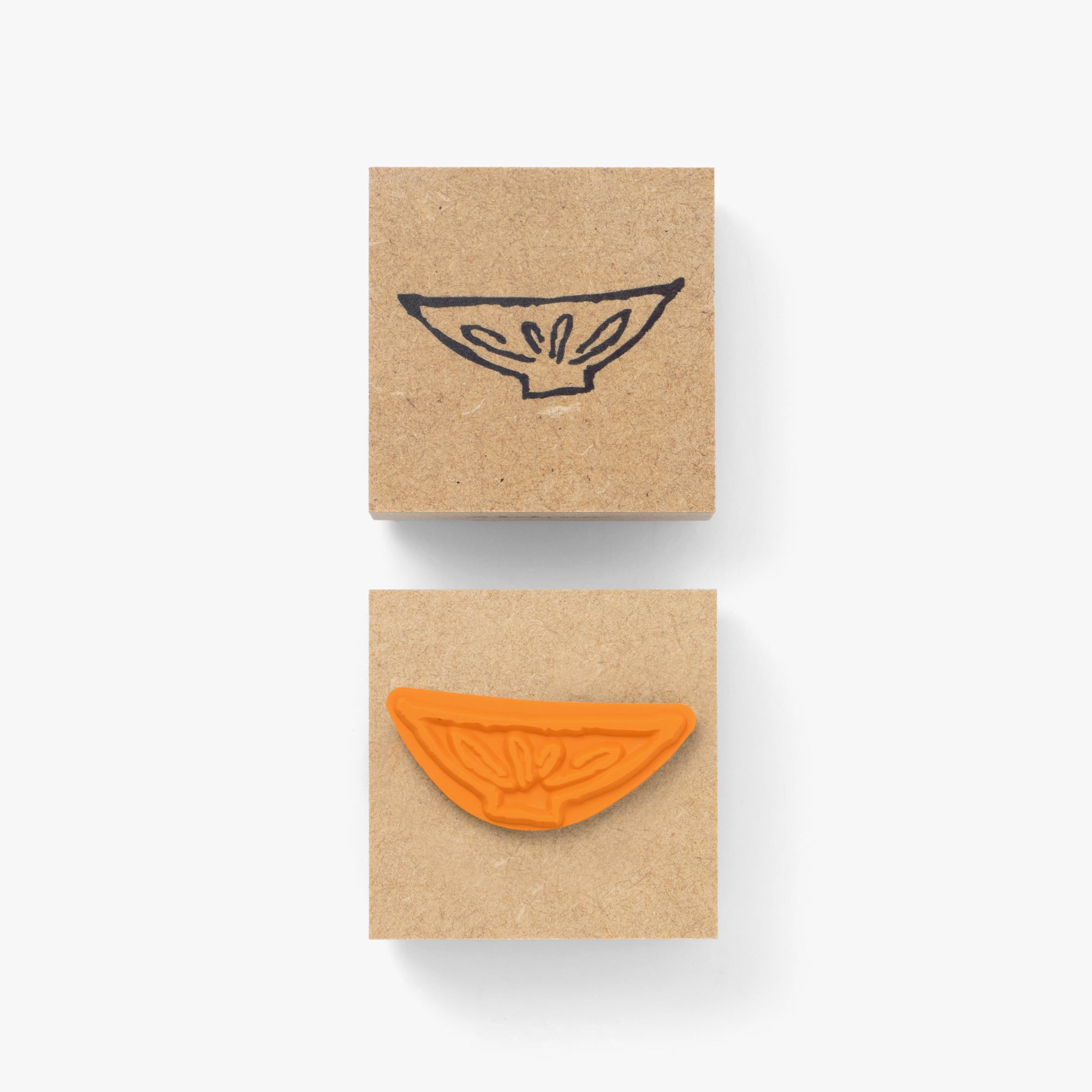
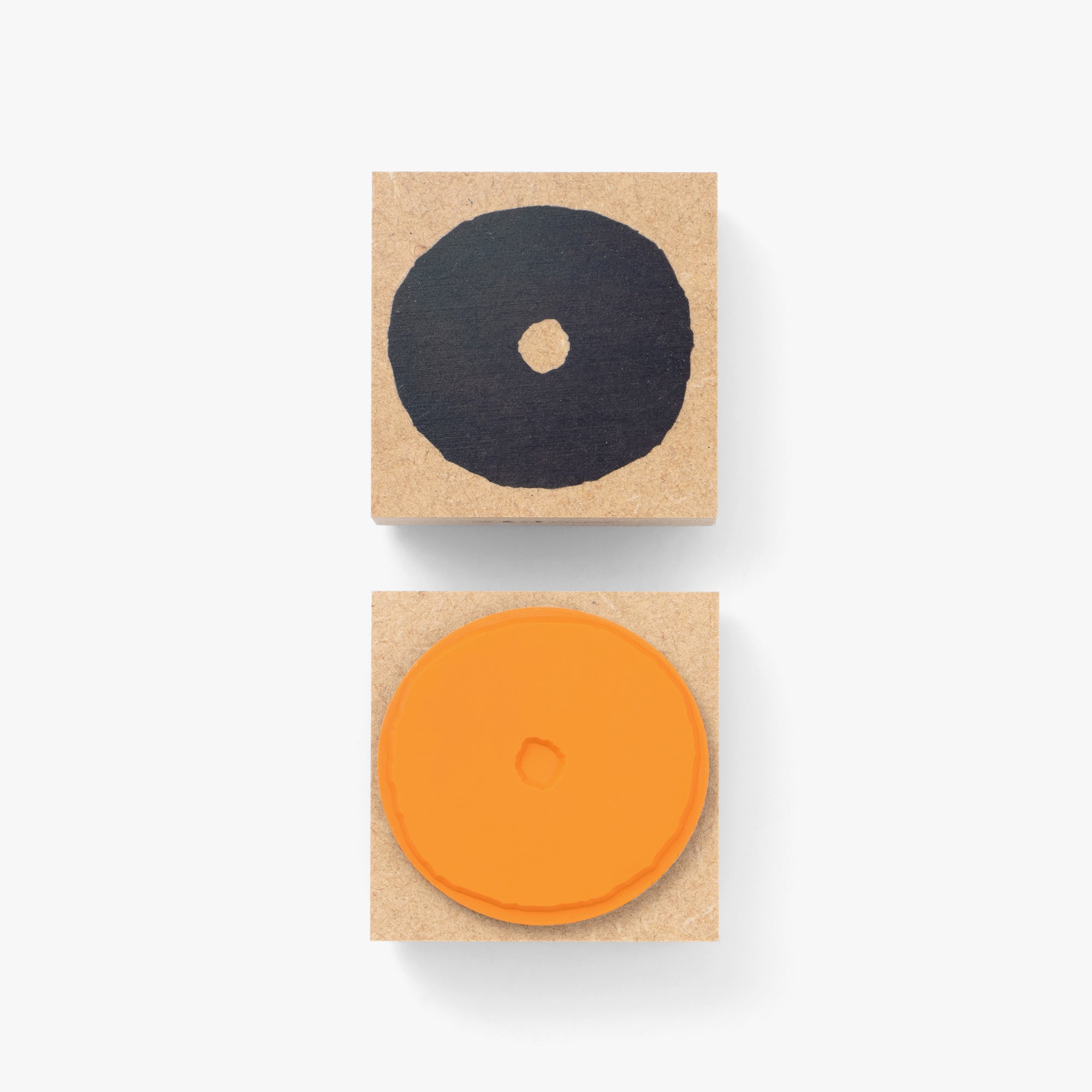
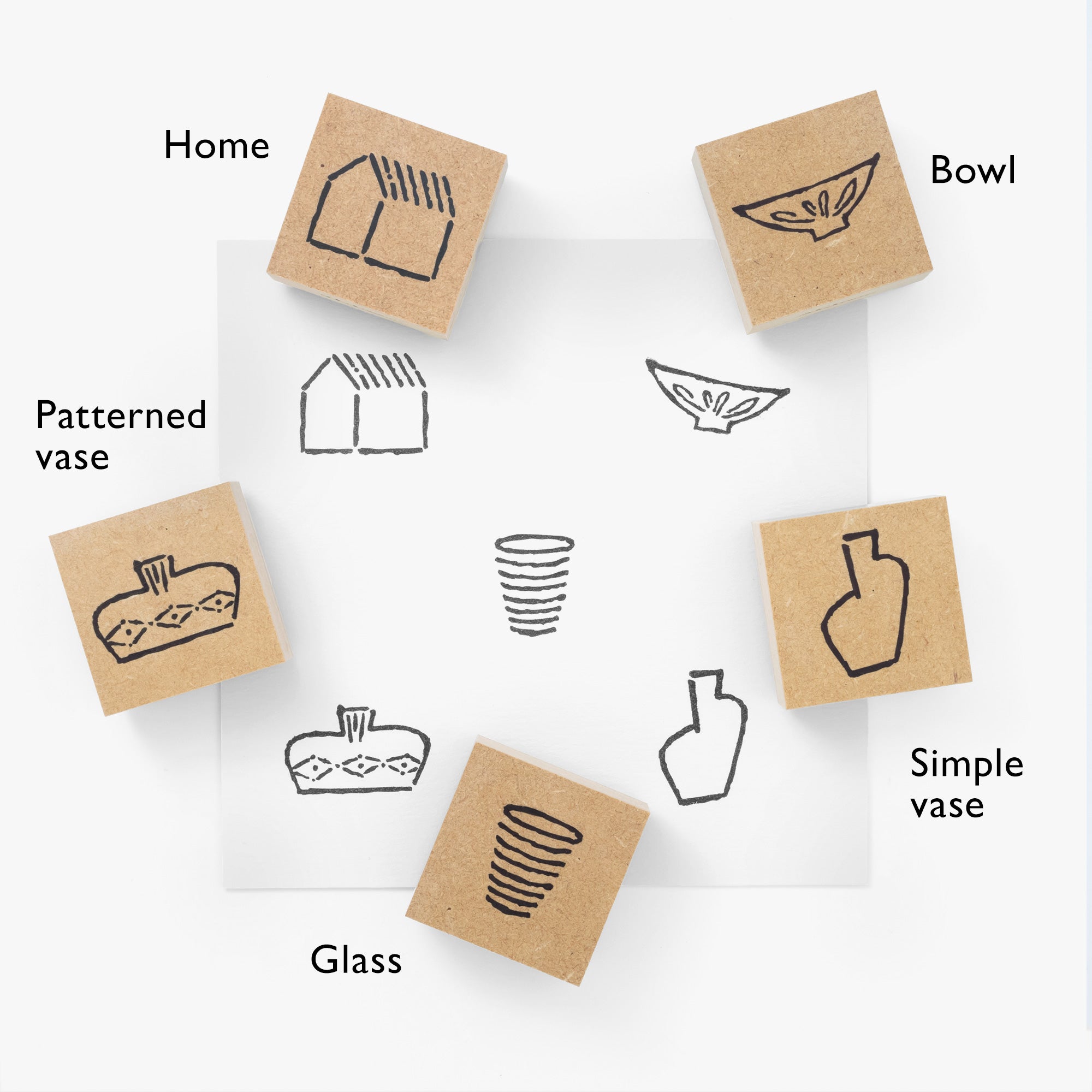
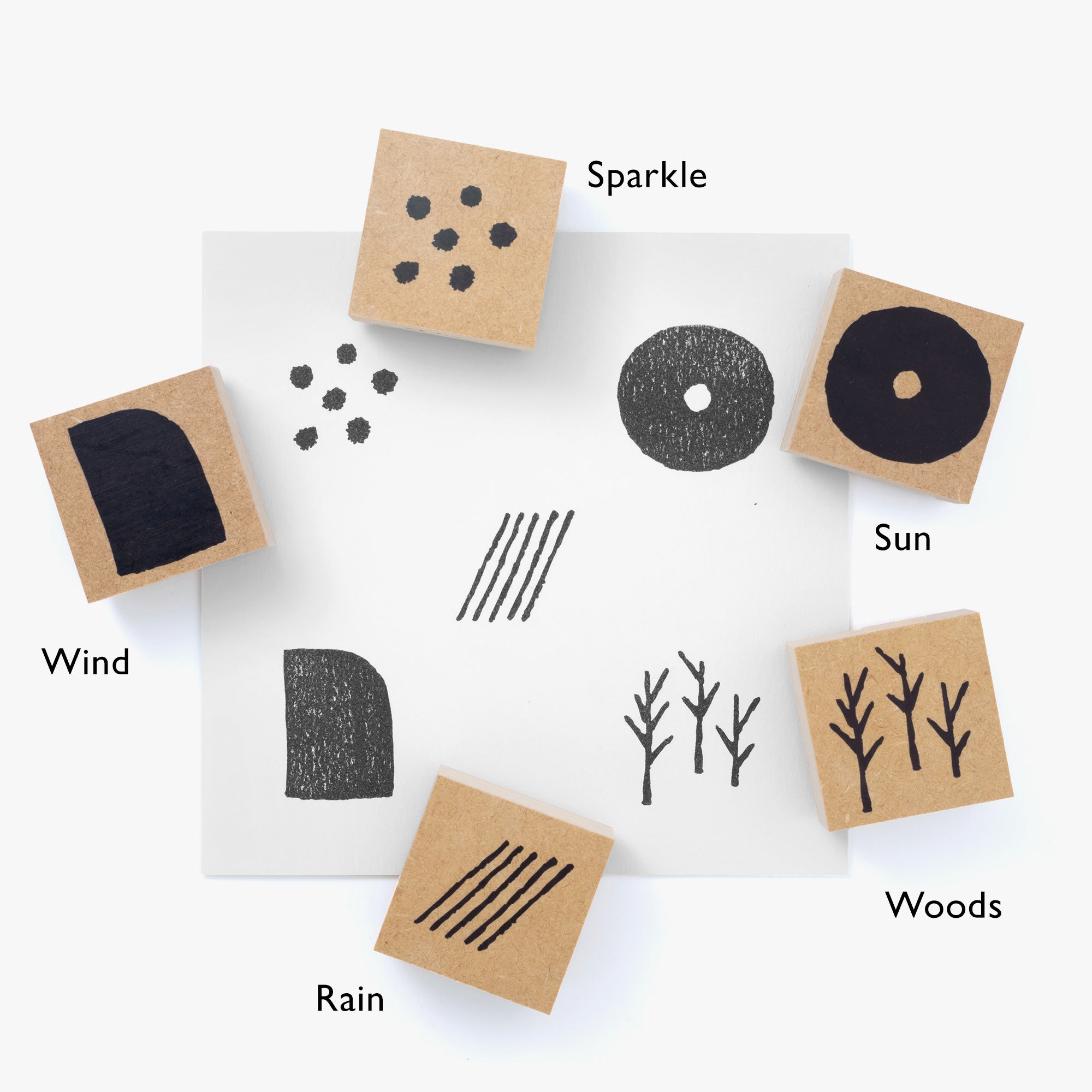
It is cleared away in advance so that excess ink on the surrounding margins does not leave unwanted border marks on the paper when stamped.
When pressing a stamp firmly onto paper, square borders or smudges often get printed along with the illustration. This happens because ink catches on the flat surface outside the rubber plate's design and touches the paper.
Getting a clean impression requires extra care. To reduce this hassle, Kakimori's rubber stamps are made with the rubber margins around the design carved out in advance[1][2]. It is a finish designed to prevent excess ink from getting onto areas outside the design when dabbing the ink pad[3][4]. Typically, using a stamp requires the knack of applying even pressure with your fingertips to keep the borders from showing up, but when the margins are hollowed out, force is focused only on the design, allowing it to meet the paper cleanly.
hmmm, the craftsmanship of the tool preemptively eases the need for caution when stamping.

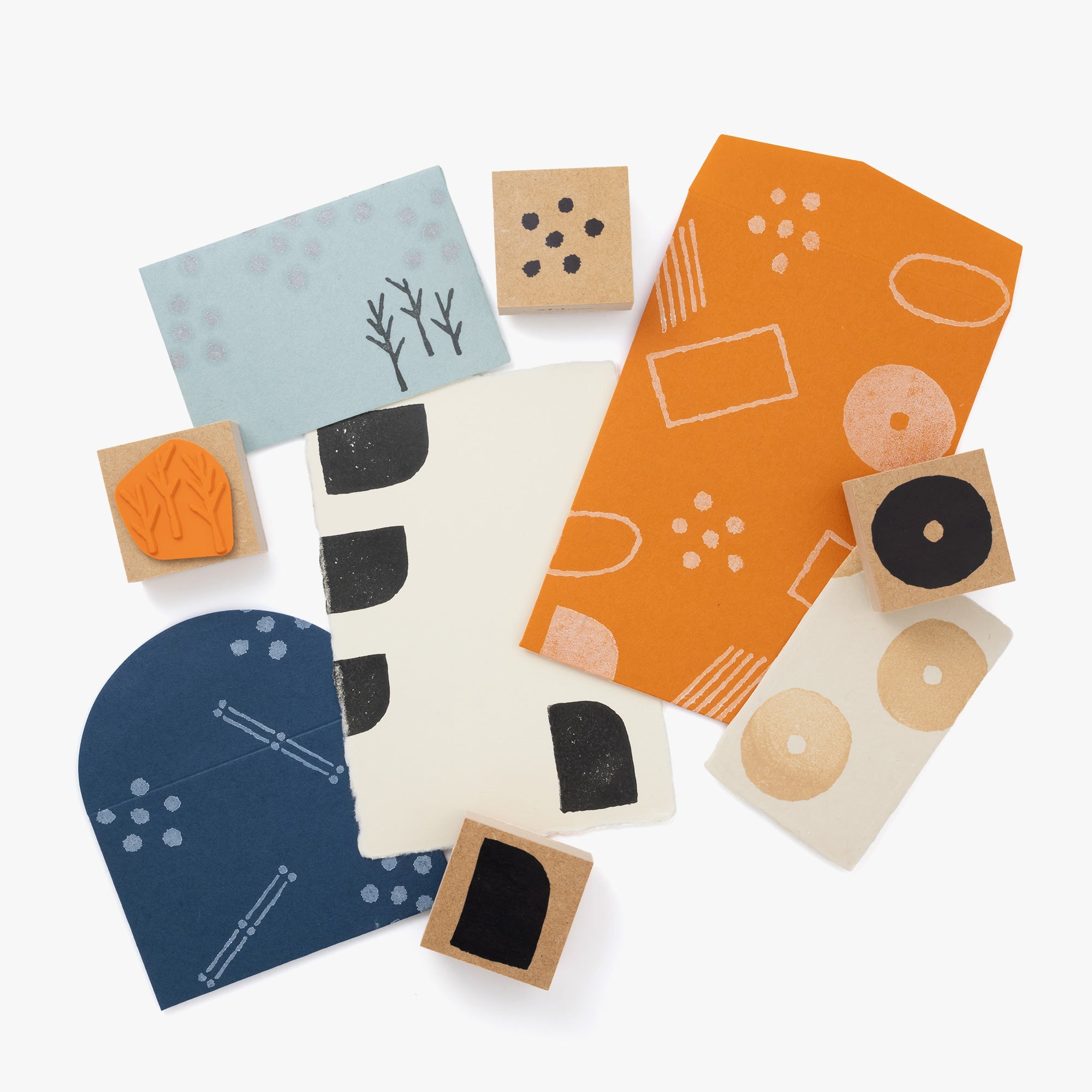
It has not yet been confirmed whether the same margin-carving process is applied to all lineups of Kakimori rubber stamps.