How is the 'garment-dyed after sewing' stated in the description different from how clothes are typically made?
The product description mentions garment dyeing after finishing the clothes along with pigment dyeing, making one curious about how it differs from typical t-shirt manufacturing methods.
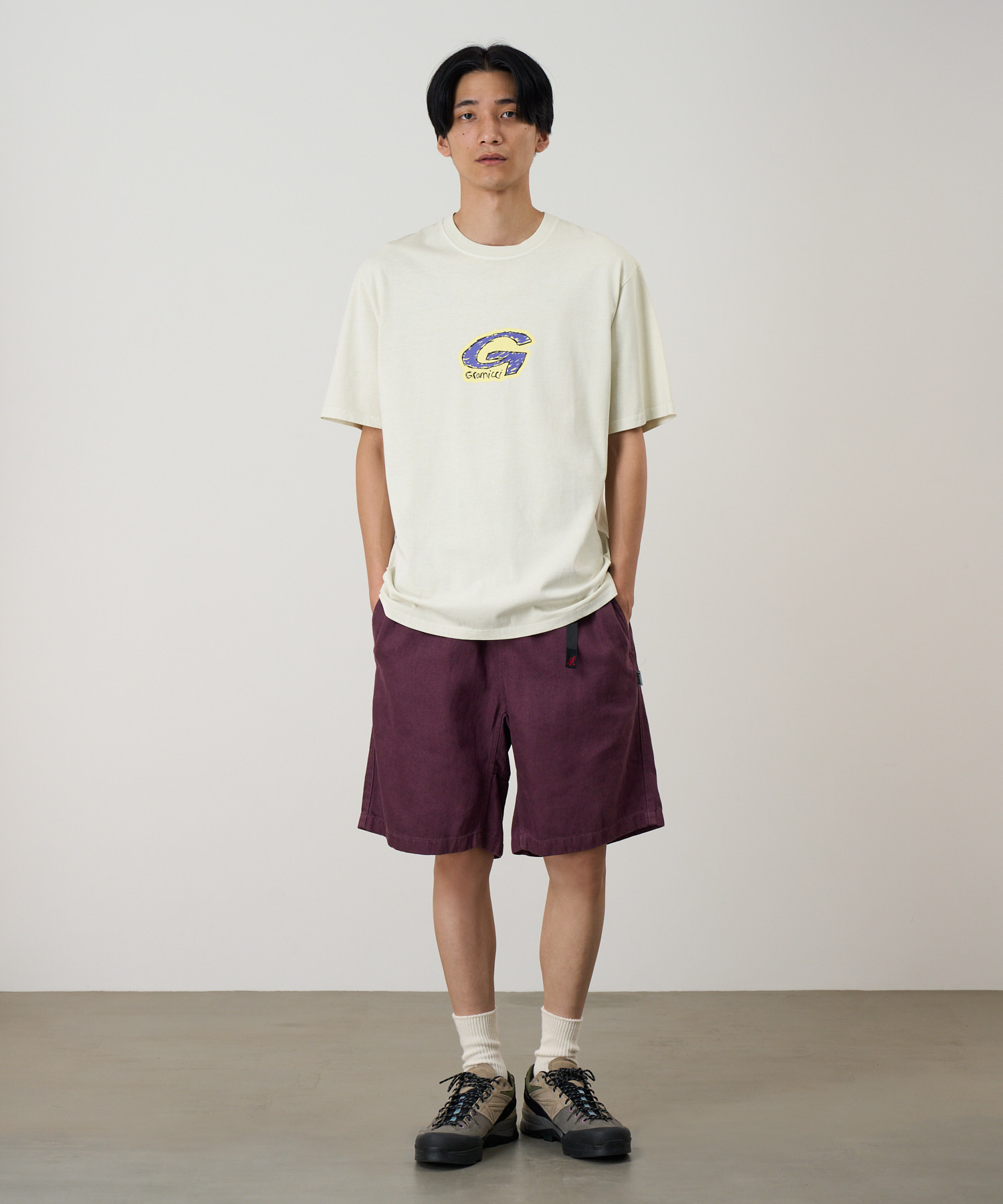
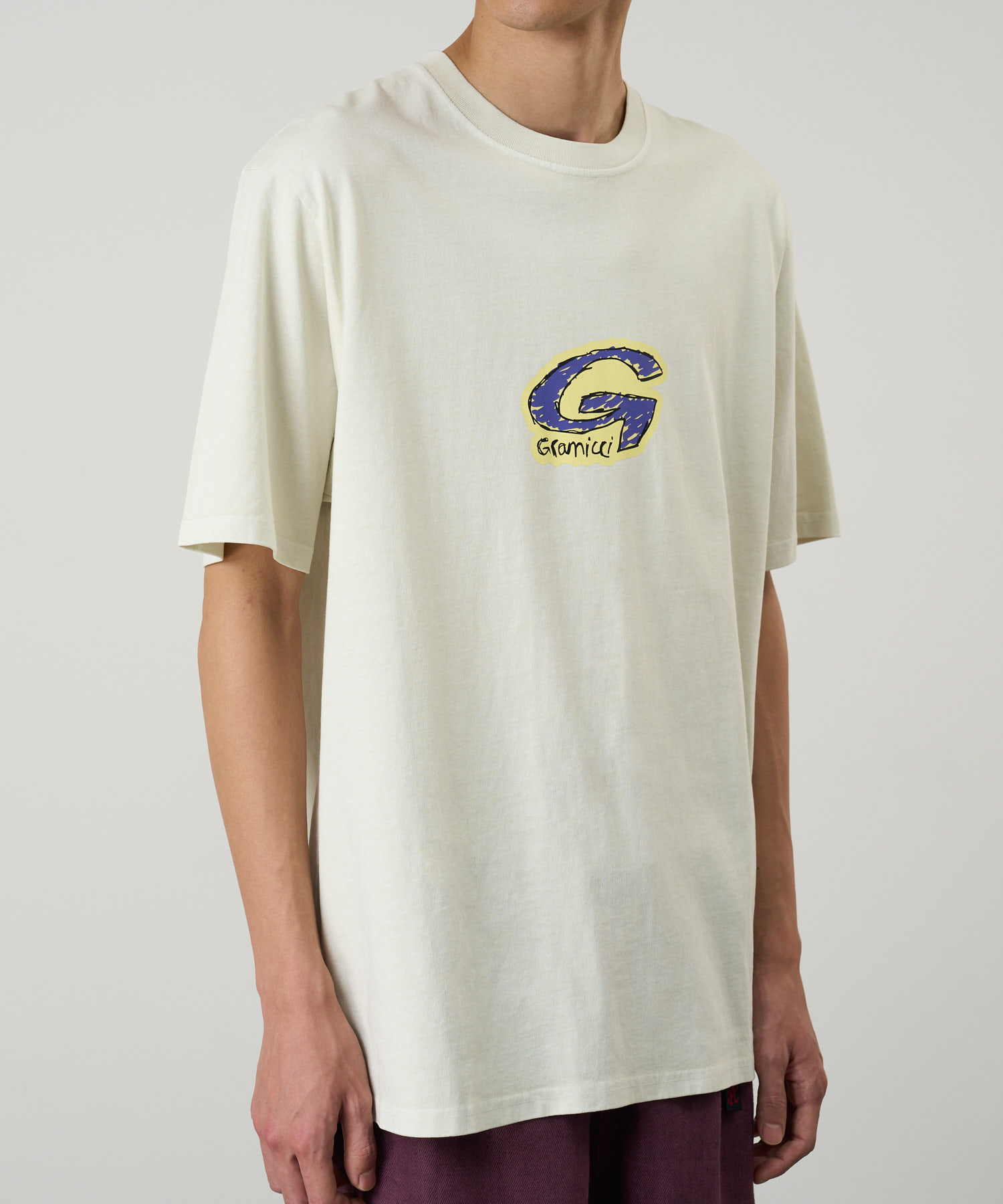
Unlike the typical method of dyeing the fabric first before cutting, it creates a natural texture by dyeing the finished, fully sewn pure cotton t-shirt with pigment.
Garment-dyed after sewing refers to a processing method where yarn or fabric is not dyed in advance, but the finished garment is placed entirely into a dye vat. It reverses the typical garment-making order of dyeing the fabric first before cutting it.
GRAMICCI's corresponding t-shirt is made of 100% COTTON (cotton) fabric, completed first as a garment, and then put through the pigment dyeing process[1][2][3]. The color option is also prepared under the name NATURAL PIGMENT (natural pigment)[4]. Unlike typical dyes that chemically penetrate deep into the fibers, pigment processing is a method where water-insoluble pigment particles are deposited and set on the surface of the fabric.
The texture is different. Because the pigment is primarily deposited on the surface of the fully sewn garment, natural shading occurs along the seams or stitching where the fabric overlaps. Going through the dyeing and drying process pre-softens the stiffness of the fabric, giving it a soft feel from the very first day of wear, just like a garment that has been washed several times.
The extent of color fading or recommended washing methods due to the nature of pigment dyeing have not yet been confirmed in official materials.