What is the reason for applying traditional ottchil (lacquer) over 3D-printed forms?
One might wonder how 3D printing, a modern technology, and ottchil, a traditional craft, come together in a single object. This stems from a desire to know not just how it looks, but what practical utility it gains in actual use.
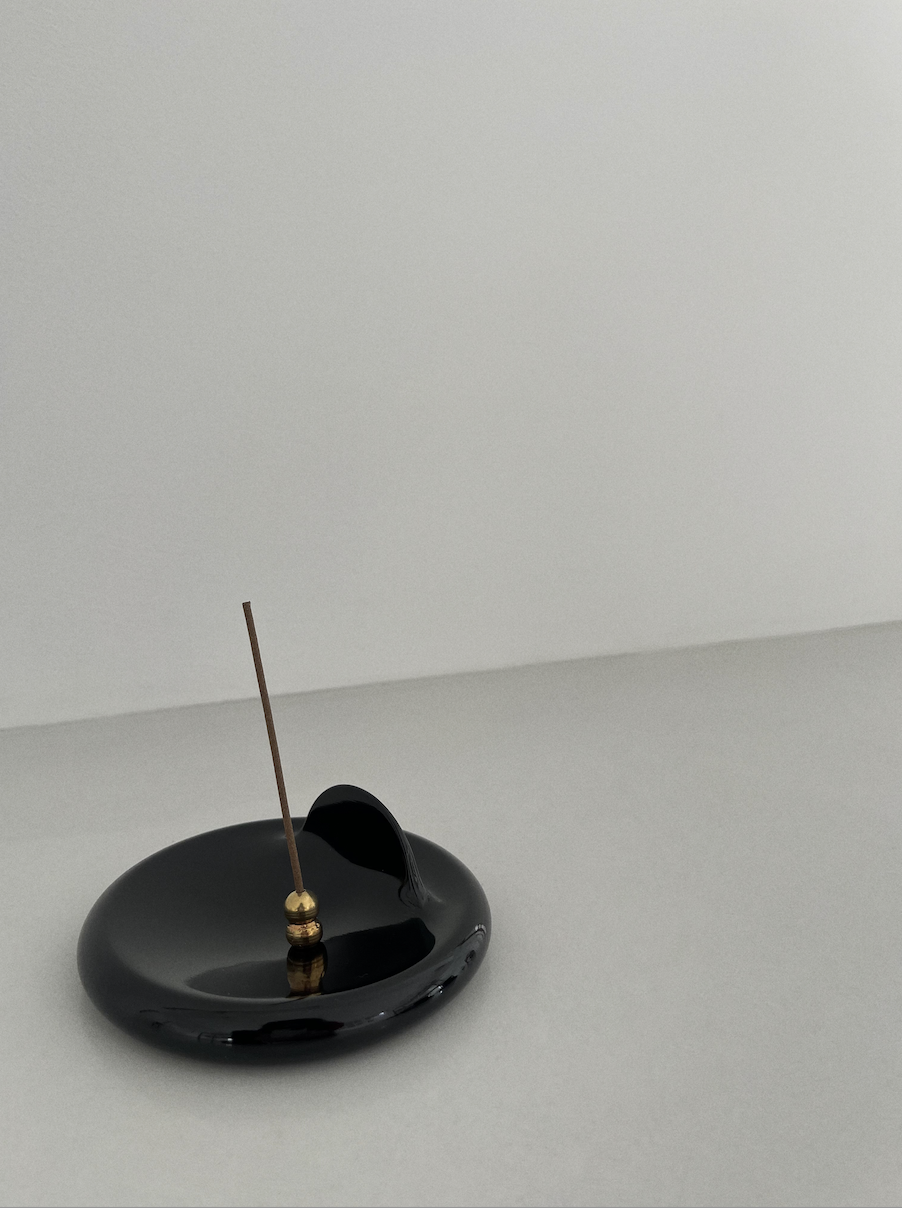
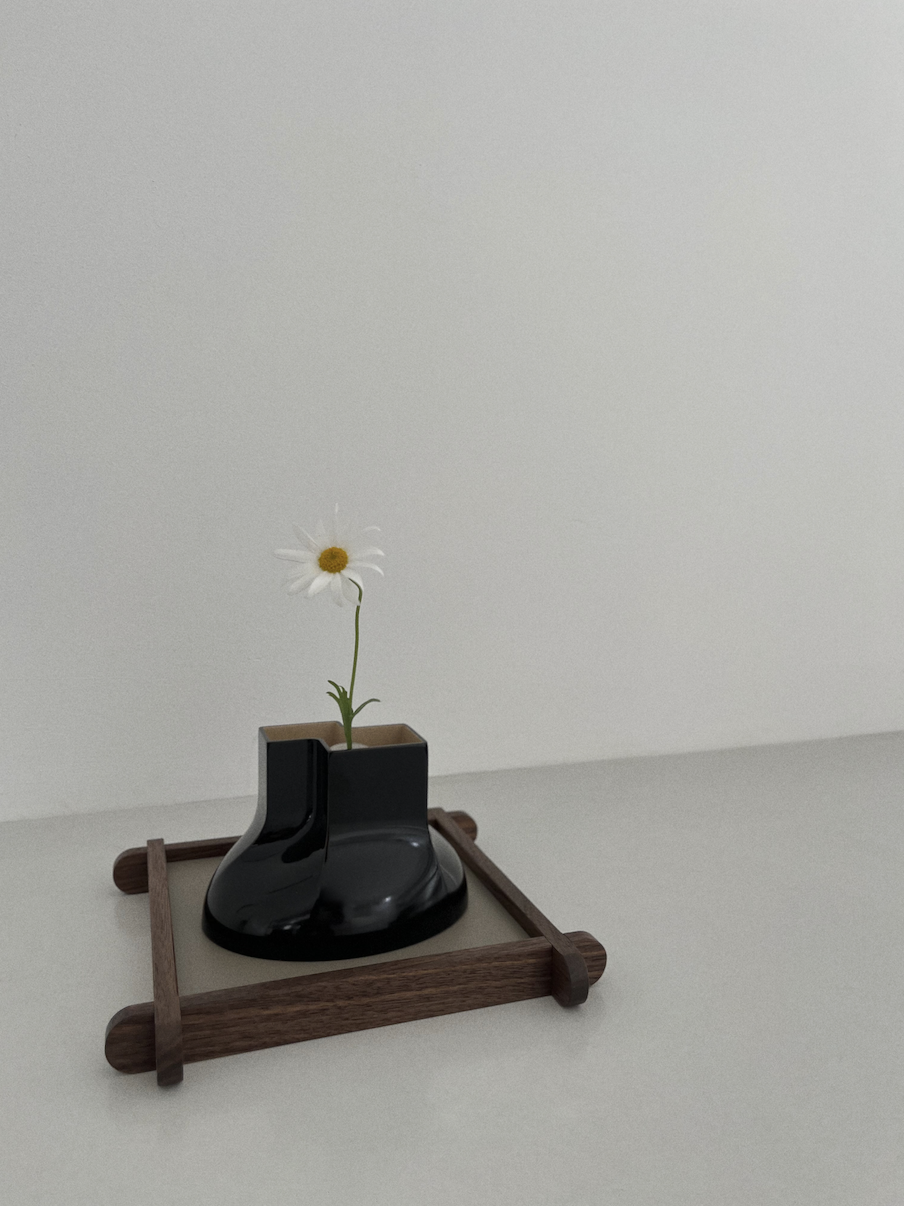
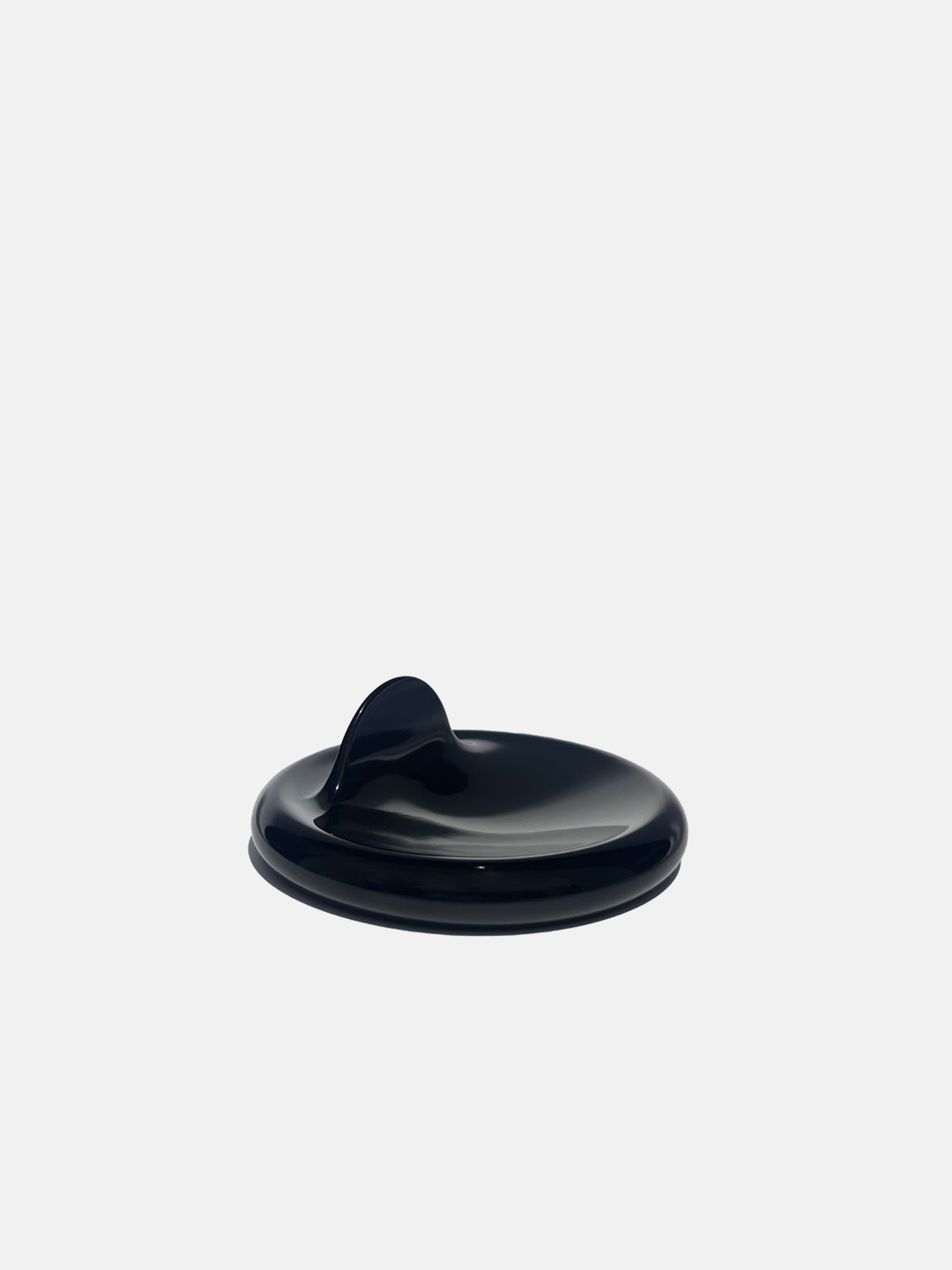
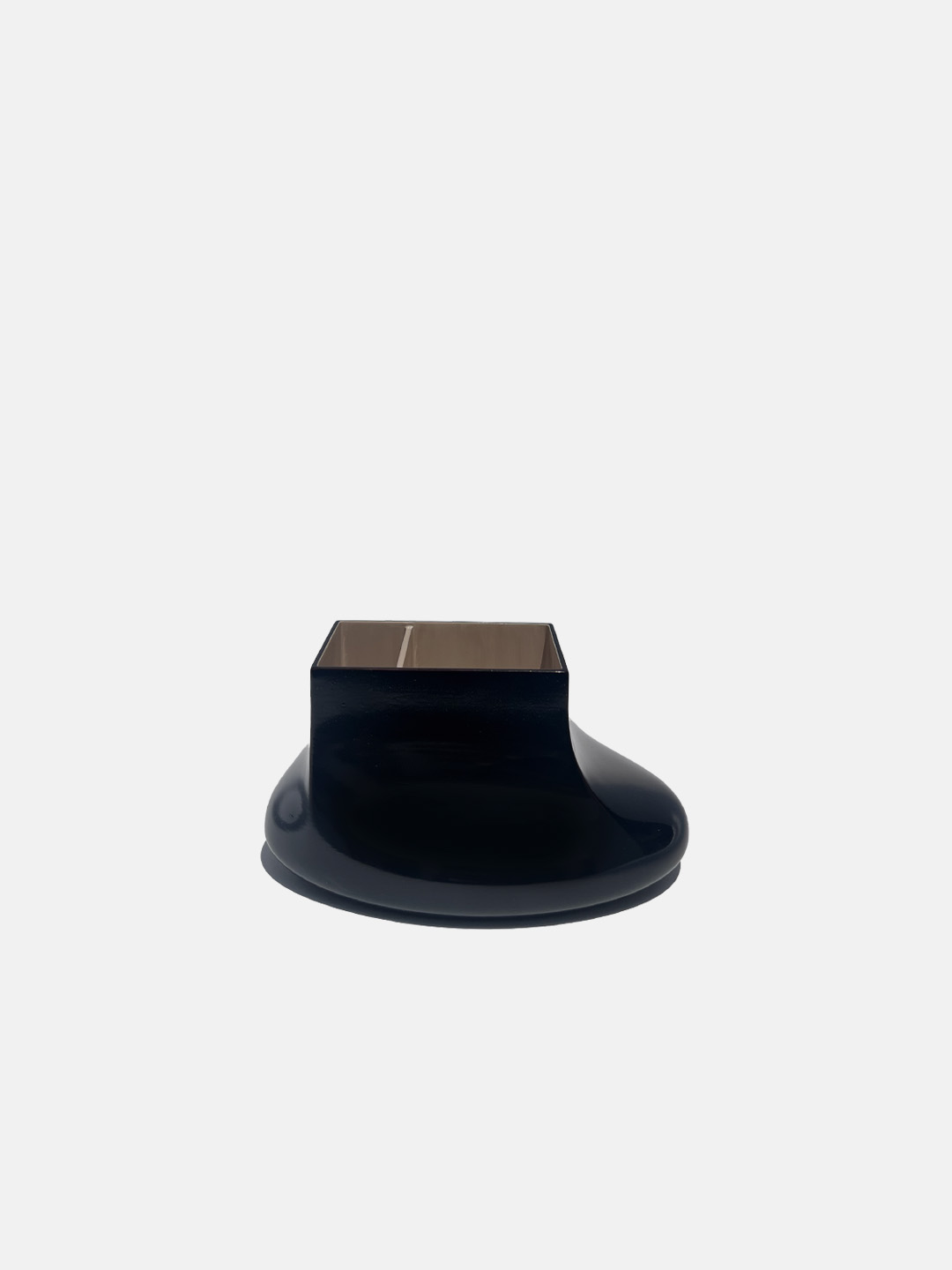
It is to shape complex three-dimensional forms with precise computer technology, and then coat the surface with natural lacquer to increase durability while adding a deep texture.
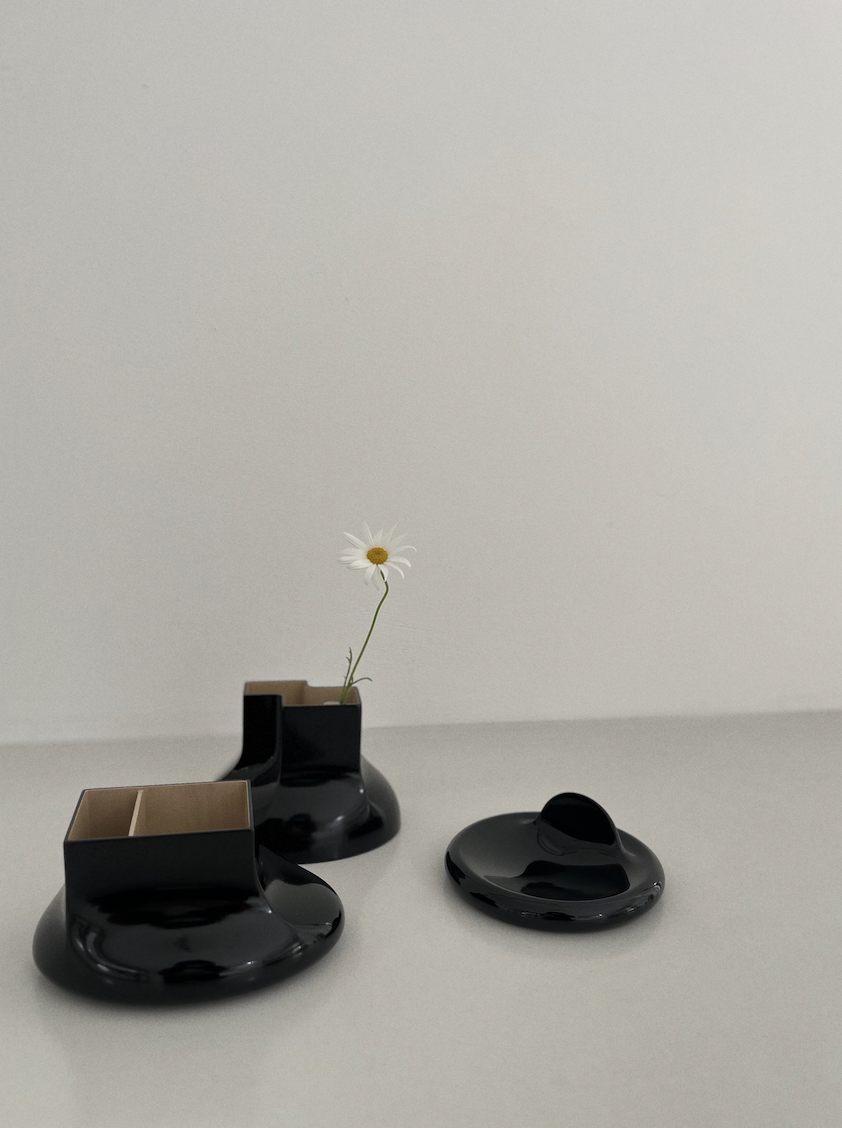
3D printing is a precise digital manufacturing method that builds computer-designed three-dimensional shapes layer by layer out of material. In contrast, ottchil is a traditional craft technique that repeatedly applies a thin layer of refined sap harvested from lacquer trees onto a surface and cures it. Atelier AECHAE utilizes these two methods together when crafting the Black Holder and plate series[1].
While 3D printing technology can realize complex, intricate shapes without error, fine layer lines remain on the surface, making it easy for the dry grain characteristic of synthetic resin to show. When natural ottchil is applied over this, the fine gaps on the surface are smoothly filled, forming a hard film that enhances water resistance and durability. Instead of an artificial sheen, it takes on the calm, deep luster unique to lacquer, offering a smooth tactile feel to the touch.
hmmm, by applying natural paint refined over a long time onto a precise modern technological framework, it completes a sturdiness that can be comfortably handled and used in daily life.
The specific type of 3D printing material used to make the objects and the exact number of times the lacquer was applied have not yet been confirmed.