JACKSON CHAMELEONJC-6
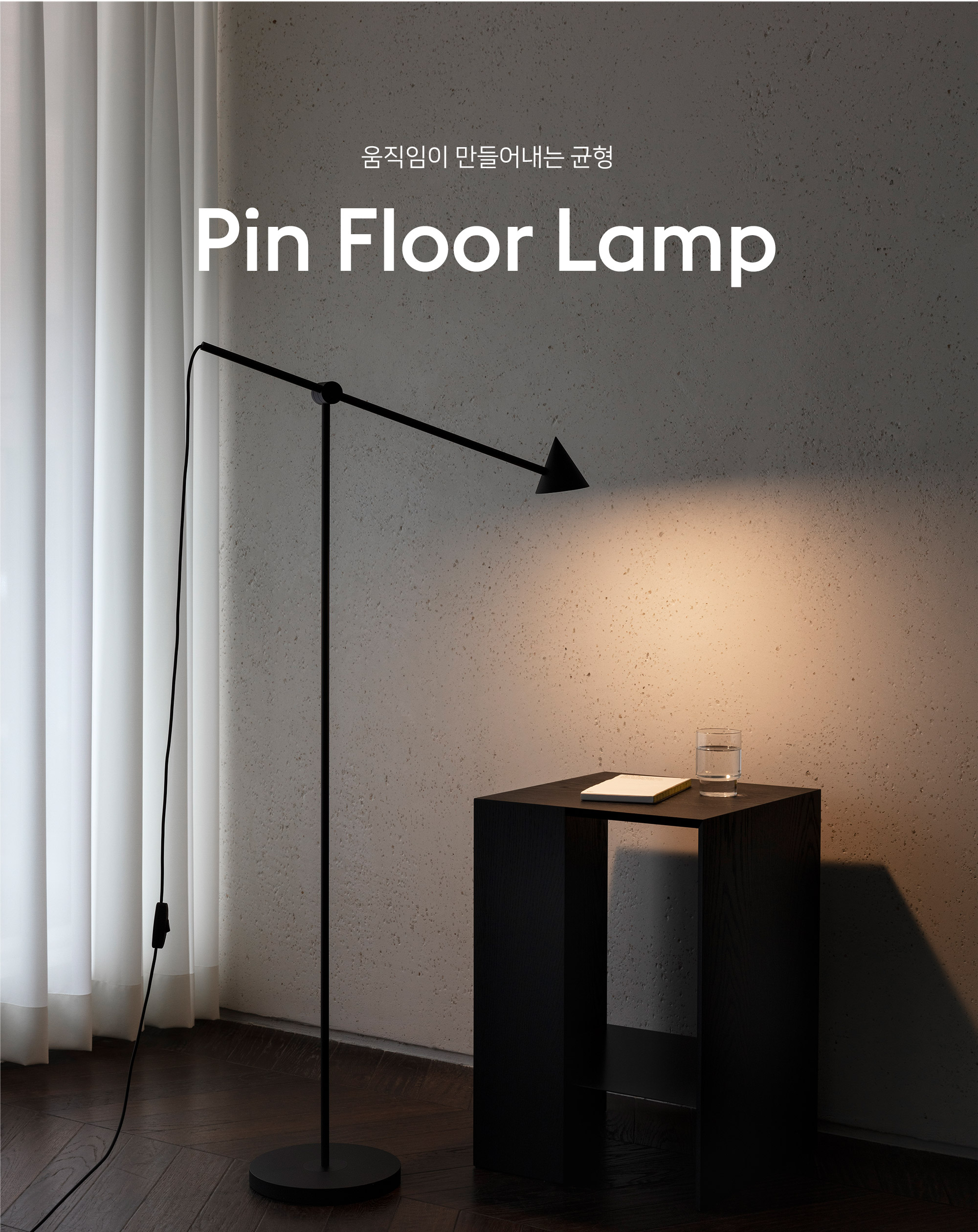
핀 플로어 램프의 전구가 꺼지면 새 전구로 갈아 끼울 수 있나요?
플로어 스탠드를 사려다 조명 일체형이라는 설명을 보고, 쓰다가 불이 꺼졌을 때 전구만 따로 사서 바꿀 수 있는지 궁금한 상황입니다.
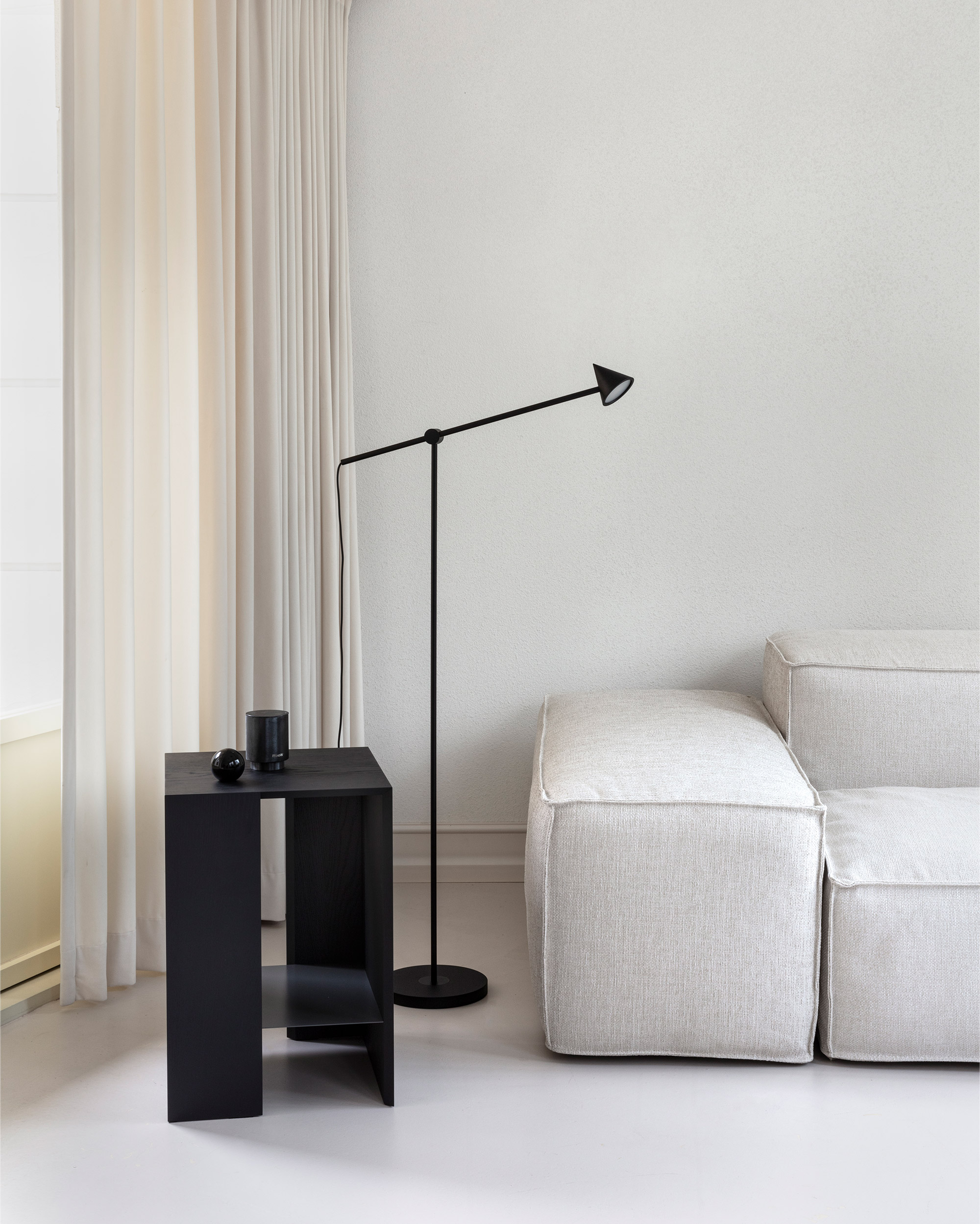
플로어 스탠드를 사려다 조명 일체형이라는 설명을 보고, 쓰다가 불이 꺼졌을 때 전구만 따로 사서 바꿀 수 있는지 궁금한 상황입니다.
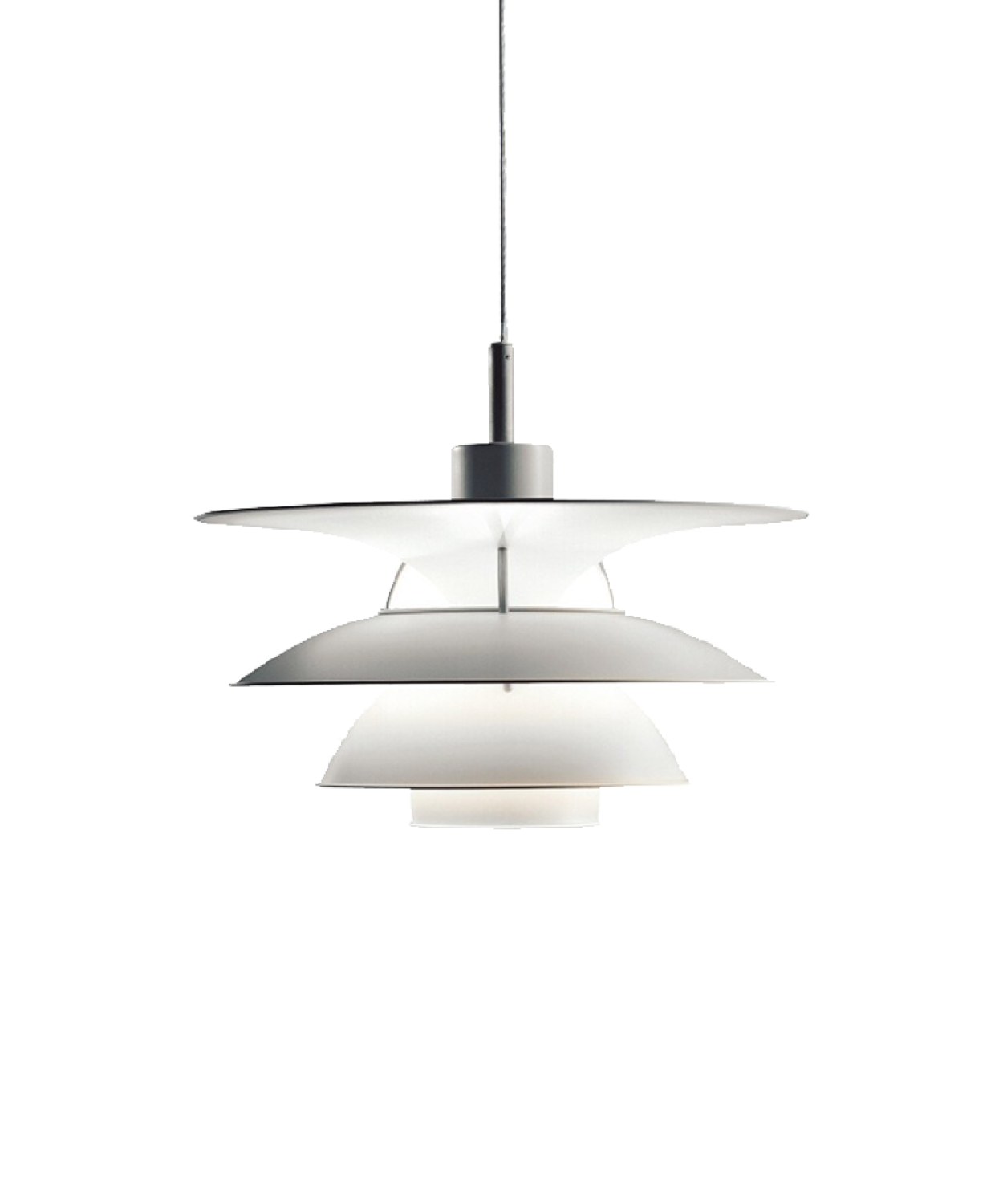
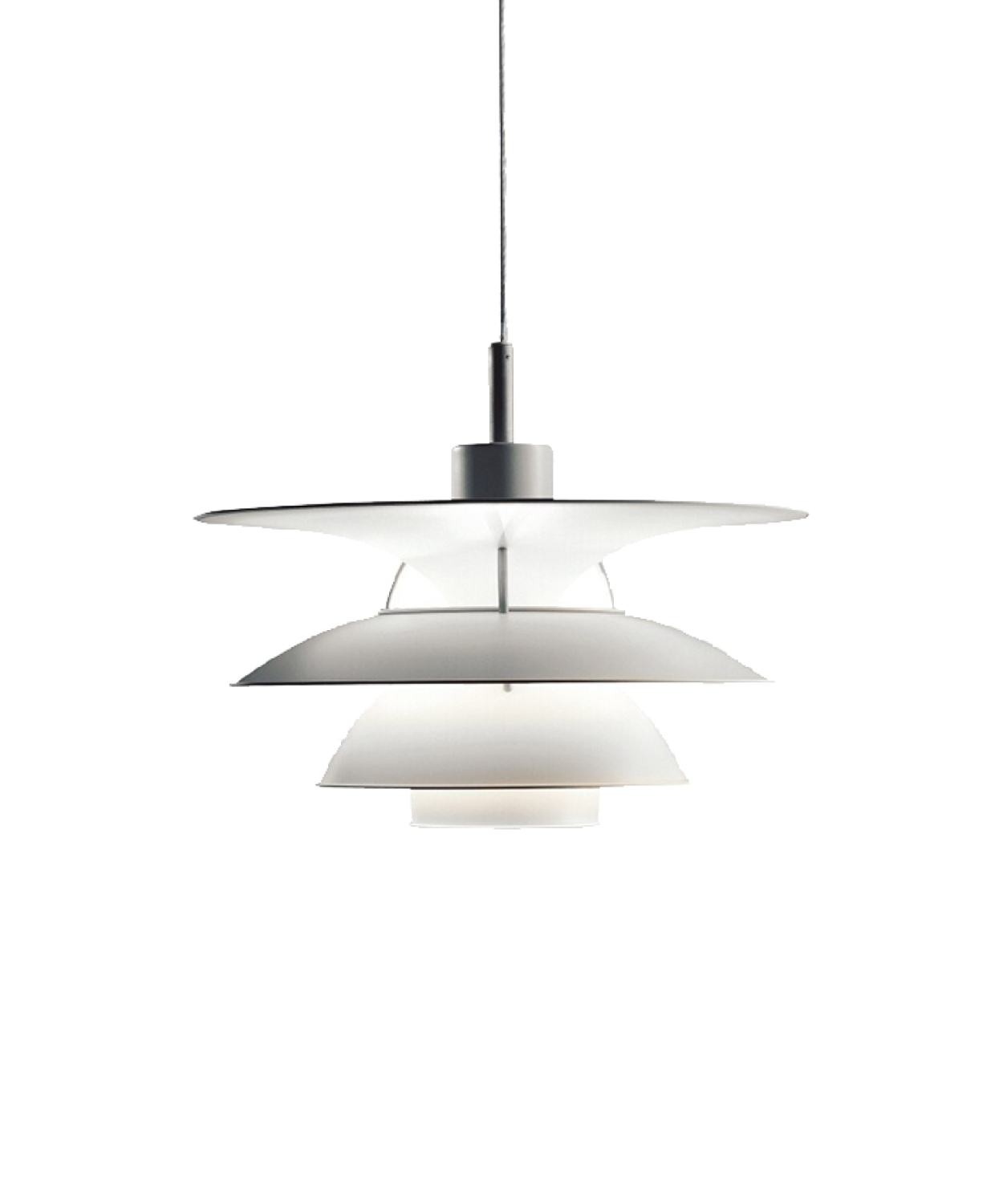
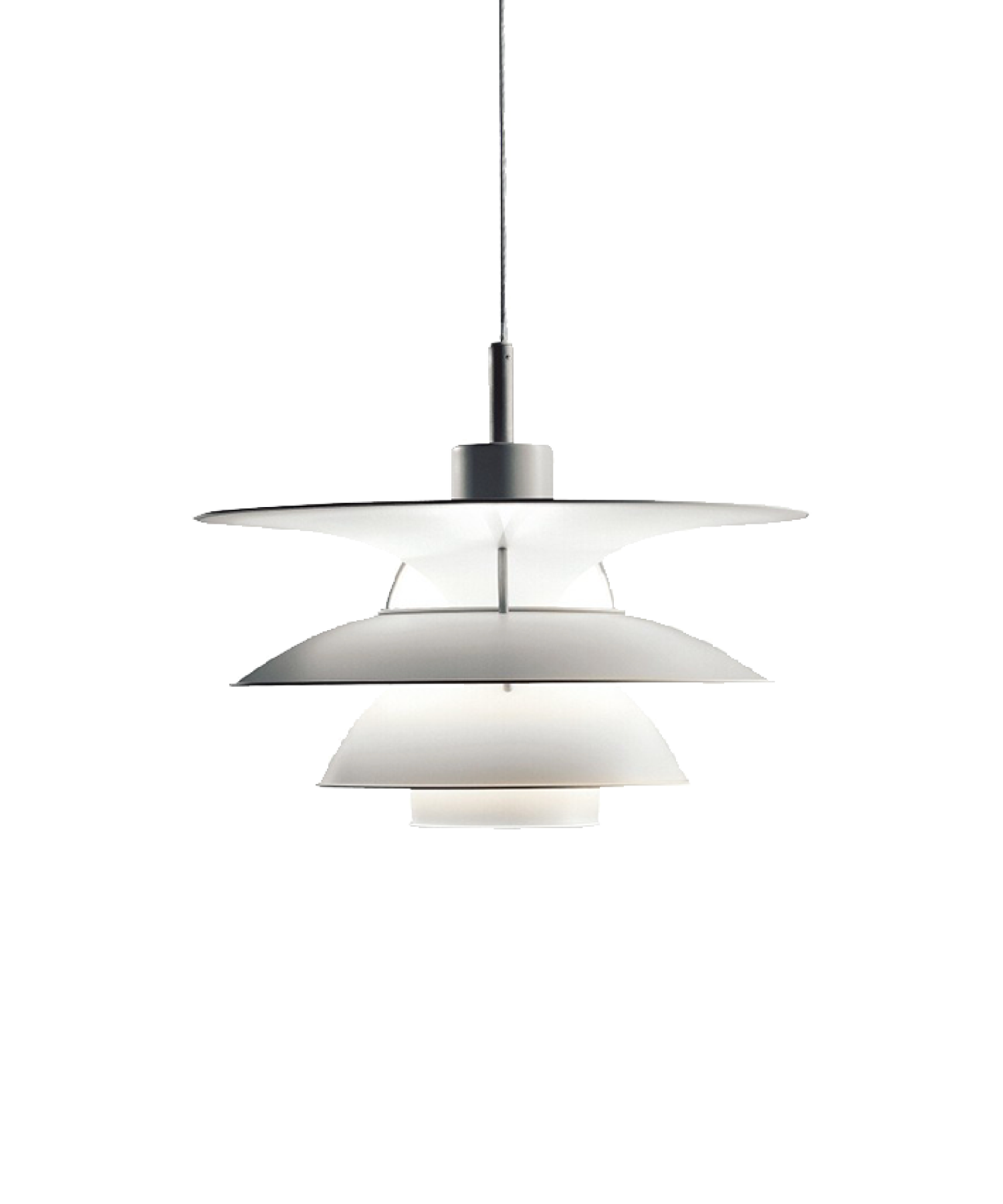
This is a pendant light with a 4-shade structure featuring shades of varying widths layered upon one another. By increasing horizontally spreading light, it broadly illuminates walls and shelves. It is used to evenly brighten surrounding areas when hung in spaces with high ceilings.
01 / 03
Why we chose a light refined to broadly illuminate the perimeter even from a high position.
4-shade system design
First released in 1931 for the purpose of being hung in high positions.
Wider horizontal light distribution
By increasing light spreading sideways, it illuminates walls and shelves more broadly than a 3-shade structure.
Recreation in a large size
Redesigned in a larger size in 1979 by architects Sophus Frandsen and Ebbe Christensen to fit the Charlottenborg exhibition hall.
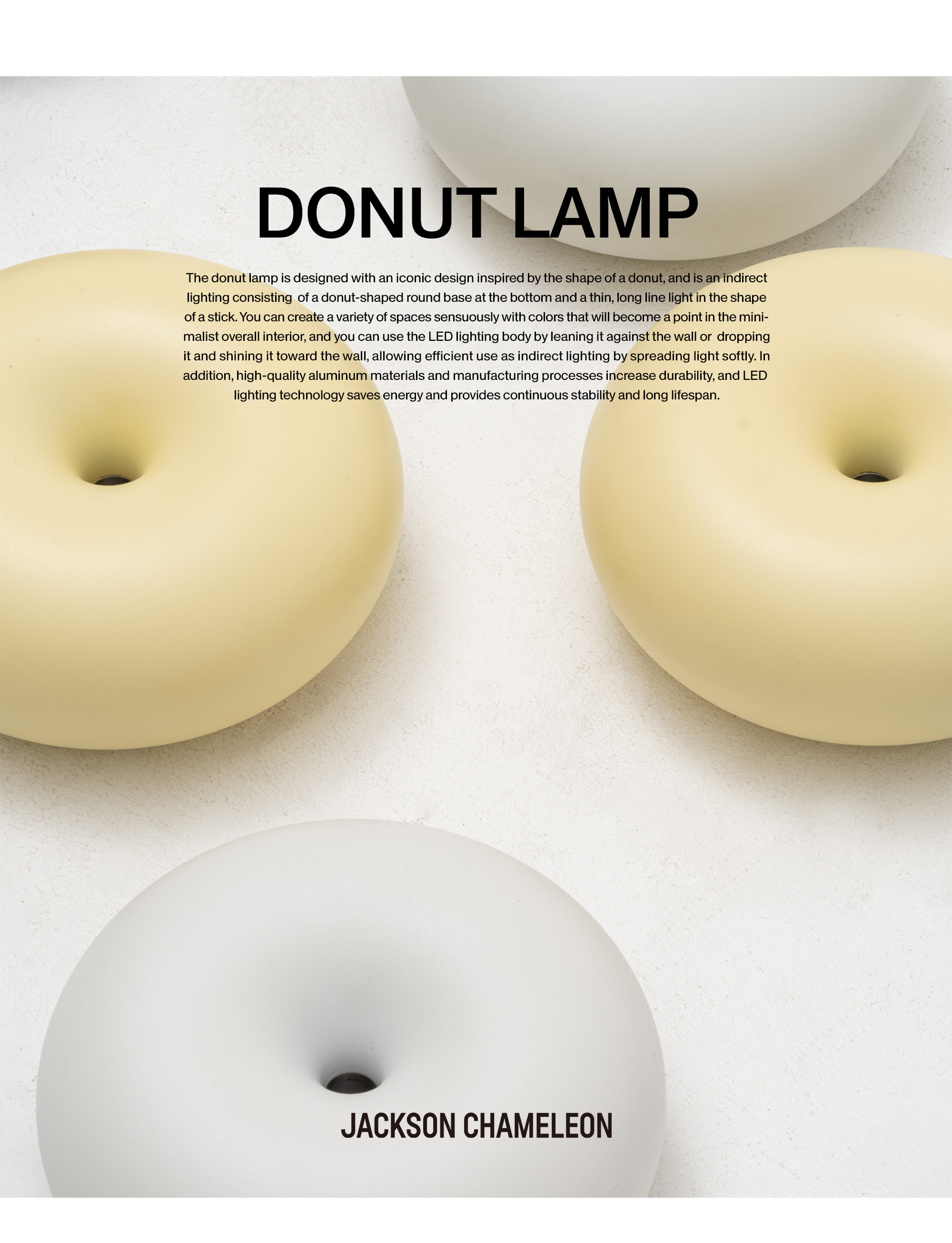
This is an integrated light combining a steel body fixed with a 12W LED and a round base. With a slim pole structure measuring 150mm in width, it is good to set up next to a sofa or in gaps along walls. You can turn it on and off effortlessly by stepping on the foot switch on the floor cord with your foot.
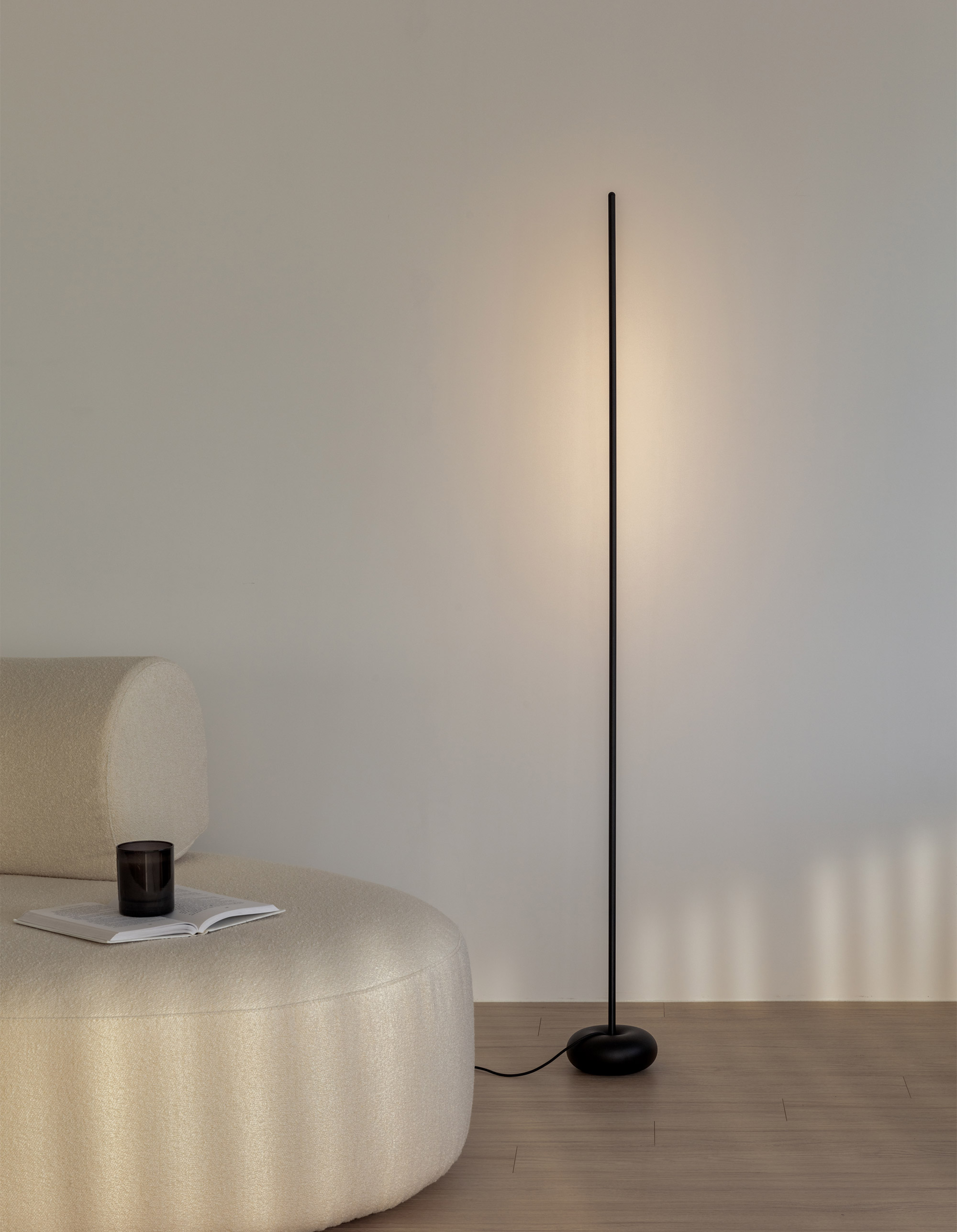
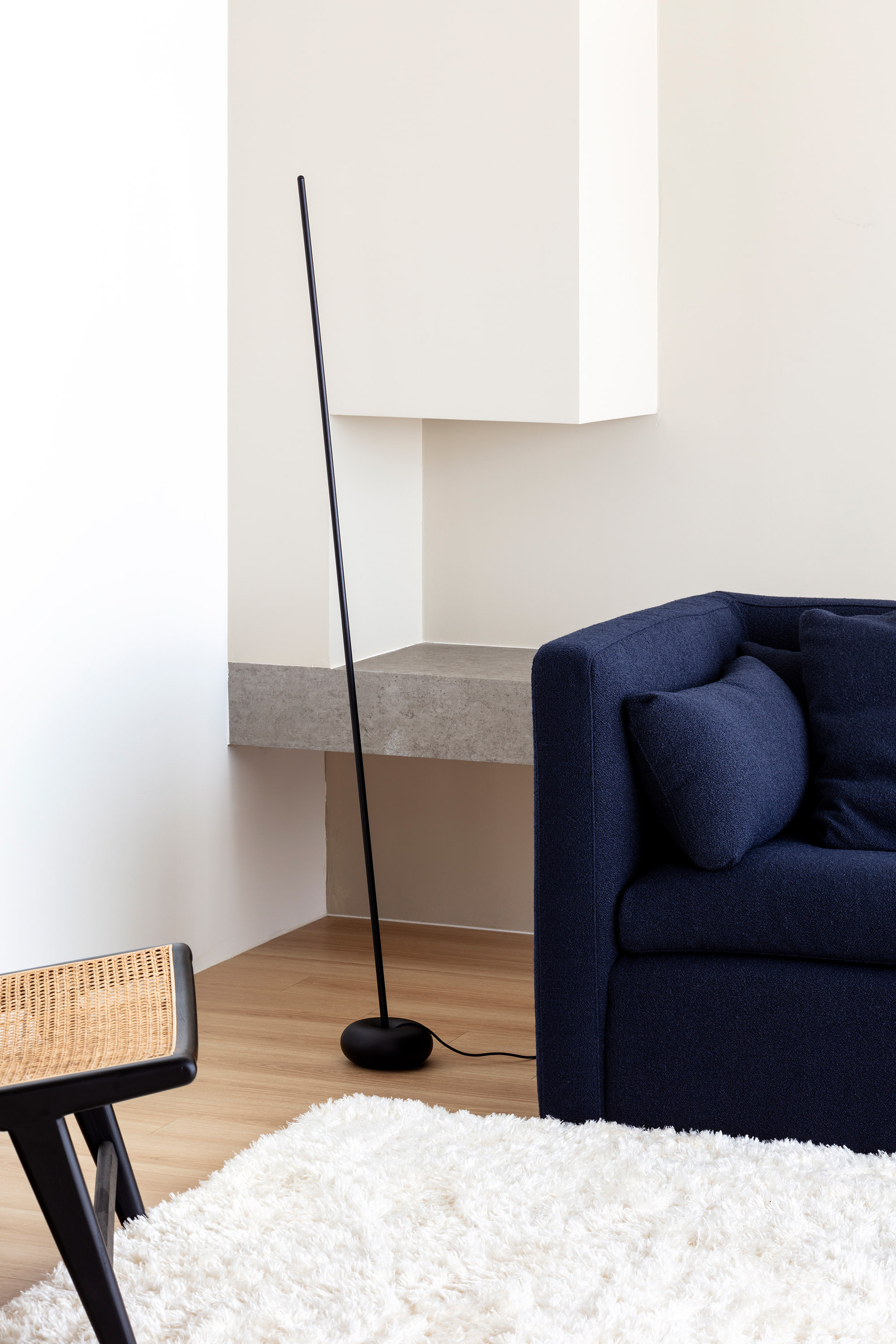
01 / 02
Chosen considering convenient operation and a clean, seamless configuration.
Foot switch turned on and off with the foot
It is operated by stepping on the switch attached to the cord with your foot. You can turn the light on and off comfortably without bending your waist.
Donut base and accessory configuration
The light body, a round donut base, and accessories for straight installation are included together. By combining the straight accessories, it can be set up vertically and stably.
Integrated steel structure and three colors
This is an integrated light with a 12W LED fixed to a steel body. You can choose from three colors—Black, Butter, and White—to match the indoor atmosphere.
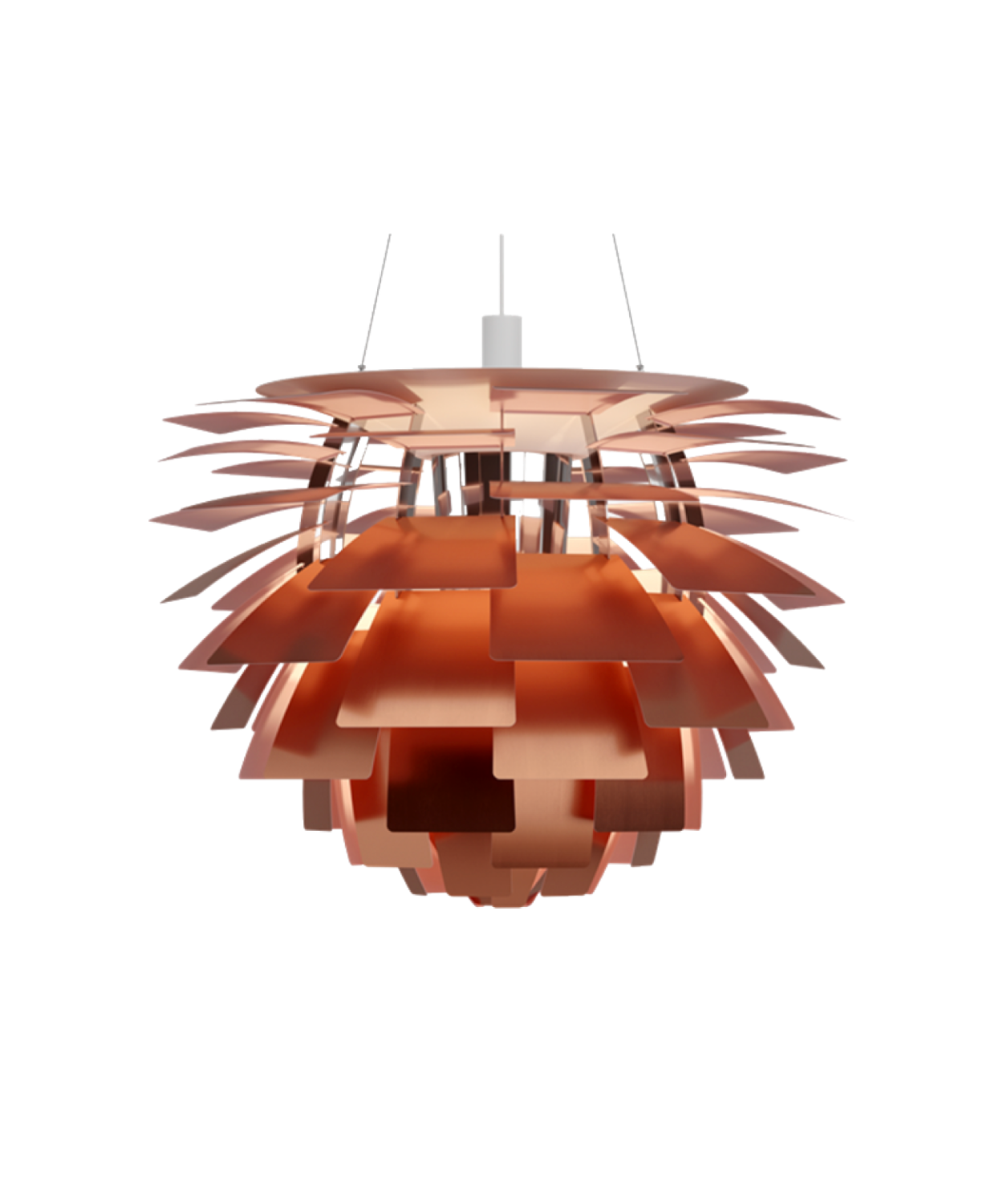
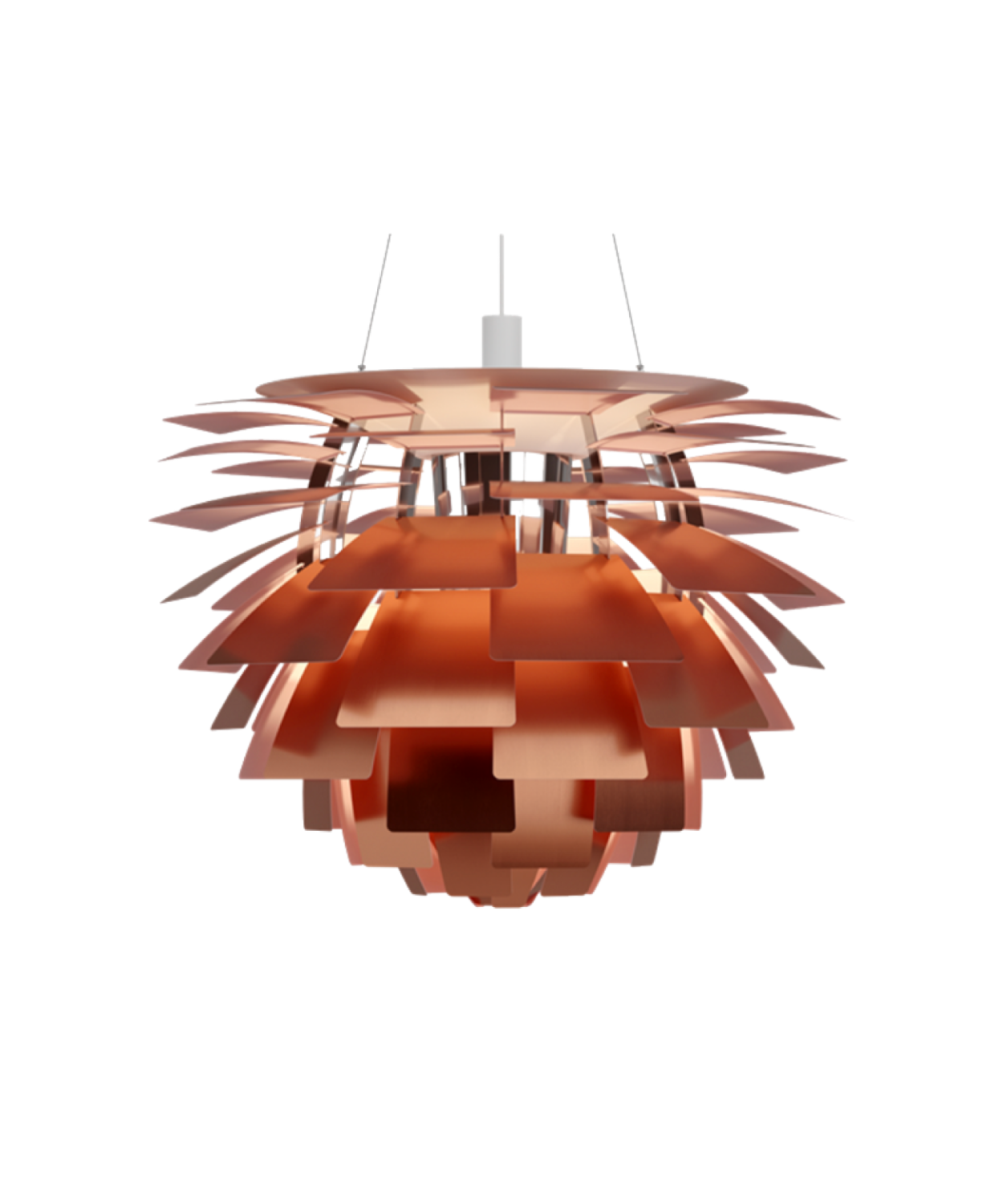
This is a pendant light designed in 1958 for the restaurant Langelinie Pavilion in Copenhagen. With a structure arranged with 72 leaves, it prevents glare when viewed from any angle. In the finishing process, parts are partially assembled by hand.
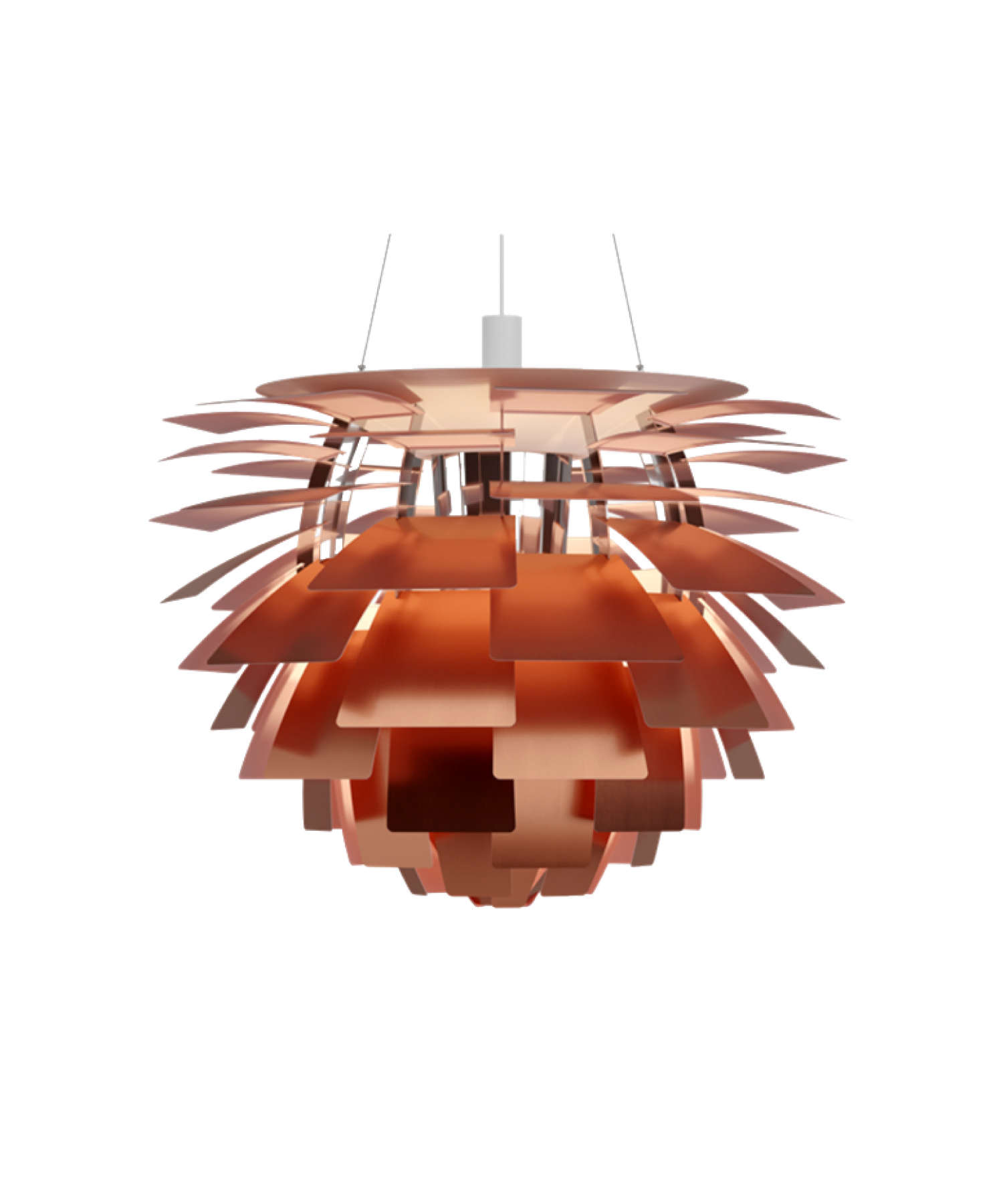
01 / 03
Selected for its structure that comfortably embraces the line of sight and its sophisticated craftsmanship.
Designed for a restaurant in 1958
Poul Henningsen designed it for the Langelinie Pavilion restaurant in Copenhagen.
72 leaves preventing glare
Carefully arranged 72 leaves ensure that there is no glare when viewed from any angle.
Partially hand-assembled
It is crafted by partially hand-assembling parts during the finishing process.
This is to check whether the surface texture or detailed combinations vary by color even for a light of the same design, in order to choose suitably for the space.