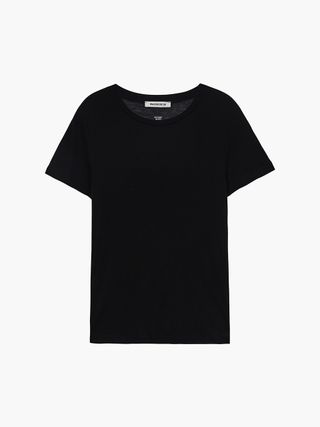
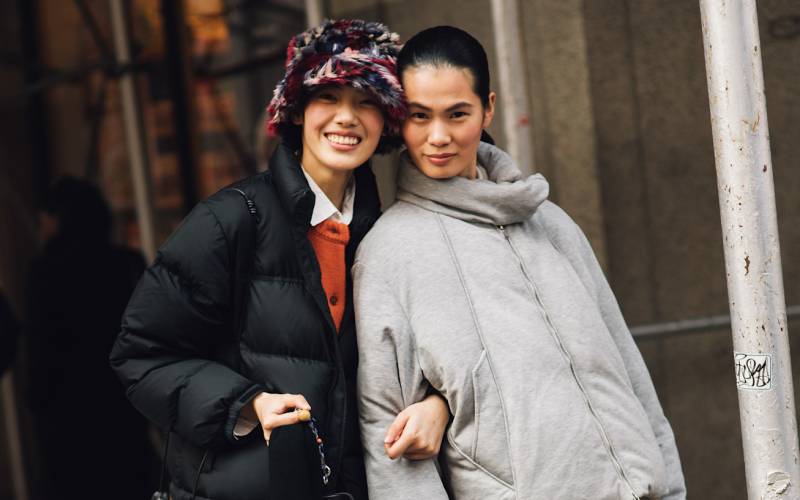
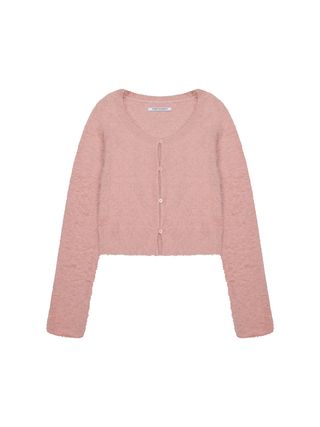
Matching only short-sleeved cardigans made the list a bit narrow, so I picked one thin sheer T-shirt to beat the daytime heat and two cardigans with an autumn texture. They are MARGESHERWOOD CREW NECK CARDIGAN_olive, THREE TO EIGHTY HAIRY CARDIGAN (PINK), and MARGESHERWOOD BASIC SHEER T-SHIRT_black. The MARGESHERWOOD cardigan is great for suiting the seasonal temperature with its calm greenish-brown hue, and the THREE TO EIGHTY cardigan instantly brings out an autumn mood thanks to its soft, raised fluff.
Napping, the process of scraping the surface fuzz of woolen fabrics or knits to bring out coziness, began when medieval wool fullers wove and used dried wild teasel flower heads. Even after it evolved into roller-type machines following the Industrial Revolution, teasel thorns were elastic, so instead of forcefully tearing the yarn, they broke on their own, protecting expensive fabrics. That is why traditional Scottish shaggy dog knits or historic cashmere workshops still insist on the centuries-old wild teasel brushing process instead of metal wire cloth.
Hairy knits with their texture raised like this let air circulate loosely between the fibers, capturing an autumn mood while helping you get through the daytime sun without feeling stuffy. The thin T-shirt included alongside them is perfect to wear lightly on its own and then layer under outerwear once it gets chilly. Shall we look only at transitional season cardigans, go with the wool-blend short-sleeved T-shirt, or look under KRW 100,000?
↳ View only transitional season cardigans
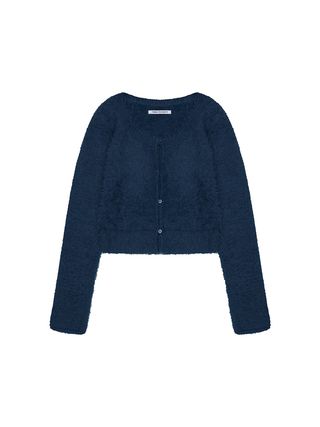
I narrowed it down to four cardigans that are great to lightly drape over yourself during transitional seasons. They are the calm olive-toned MARGESHERWOOD crew neck cardigan, MARGESHERWOOD 55 MOHAIR STRIPE CARDIGAN_burgundy/grey with burgundy and grey color-blocking, and THREE TO EIGHTY's HAIRY CARDIGAN (PALE BLUE) and HAIRY CARDIGAN (PINK), which highlight a fluffy texture. At the threshold of a changing season, your hands naturally reach first for the coziness offered by the texture of yarn holding air, rather than thick warmth.
The name mohair originates from the Arabic word mukhayyar, meaning selected fabric. Because the fabric woven from the hair of Angora goats was as soft and lustrous as silk, it was treated as a special treasure of the sultan during the Ottoman Empire, and even taking live goats out of the country was strictly forbidden. Aside from rare instances where they were sent as diplomatic gifts to Holy Roman Emperors, they could not leave the empire for hundreds of years, spreading to the world only in the late 1830s.
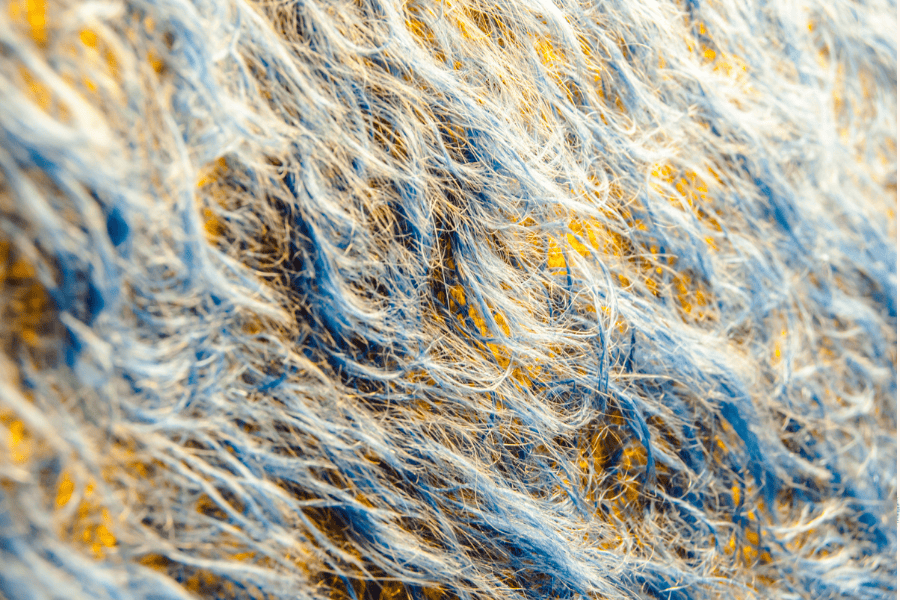
Resembling that treasure-like texture, the soft texture on the surface of the hairy cardigans in the list catches the eye first. I can strictly screen the materials to leave only 100% wool cardigans, or narrow it down to short cropped styles or prices under KRW 100,000. By which standard shall we open up the list again?
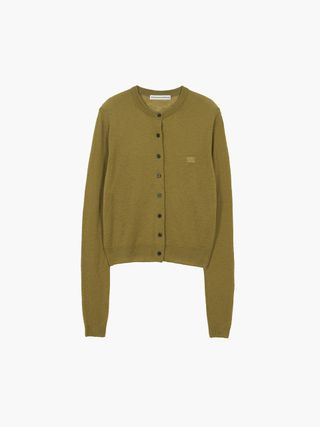
↳ Only 100% wool cardigans
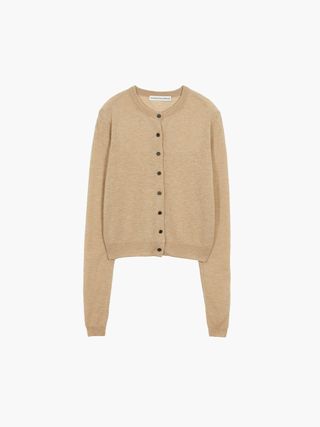
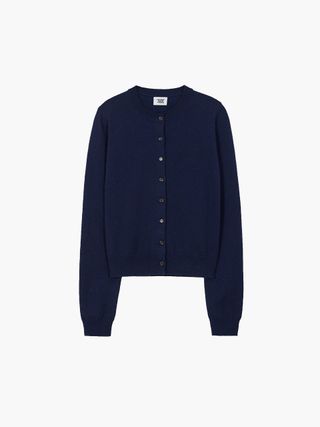
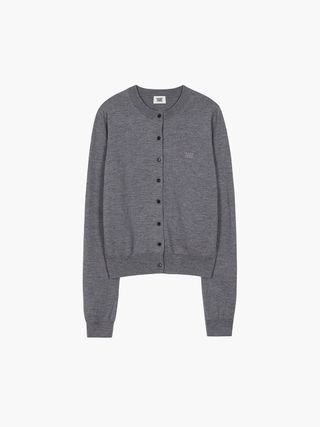
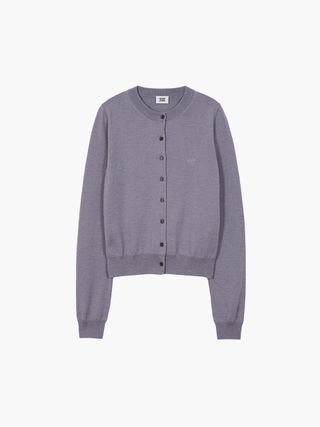
Matching the 100% wool condition, I picked MARGESHERWOOD's crew neck cardigan. There are five colors: olive, beige, navy, grey, and pink. Because it is pure wool knitting without other fibers blended in, the texture is calm, and it has the right thickness for layering from transitional seasons through winter.
The soft wool we commonly wear today was originally a top state secret of the Spanish royal family. Around the 12th century, merino sheep created through crossbreeding had exceptionally fine and soft fleece, supporting the royal family's immense wealth. To protect this monopoly, Spain even enacted laws punishing the smuggling of sheep abroad with the death penalty, but as kings began gifting them to monarchs of allied nations, they gradually spread throughout the world.
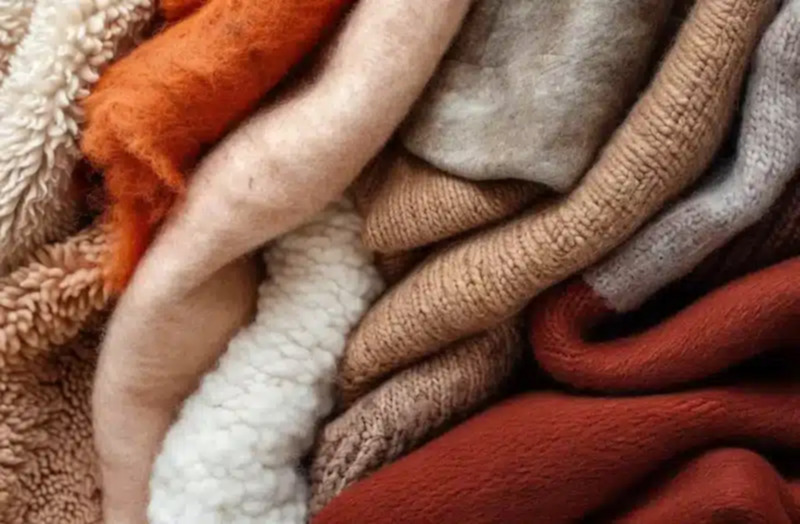
Since it is a basic design, it quickly narrows down once you decide on the color direction. Shall we look at calm neutrals like grey or navy, or bright accent colors like olive or pink? Or shall we add wool blends to the list as well?
Final Selected Products