What role did the traditional dyeing and weaving research laboratory mentioned in the ink description play in the development process?
When reading the descriptions of Kyo-no-Oto inks, there is a notice that they collaborated with a dyeing and weaving research laboratory rather than a general chemical manufacturer. It makes one wonder why experts who dye textiles participated in making ink for pens.
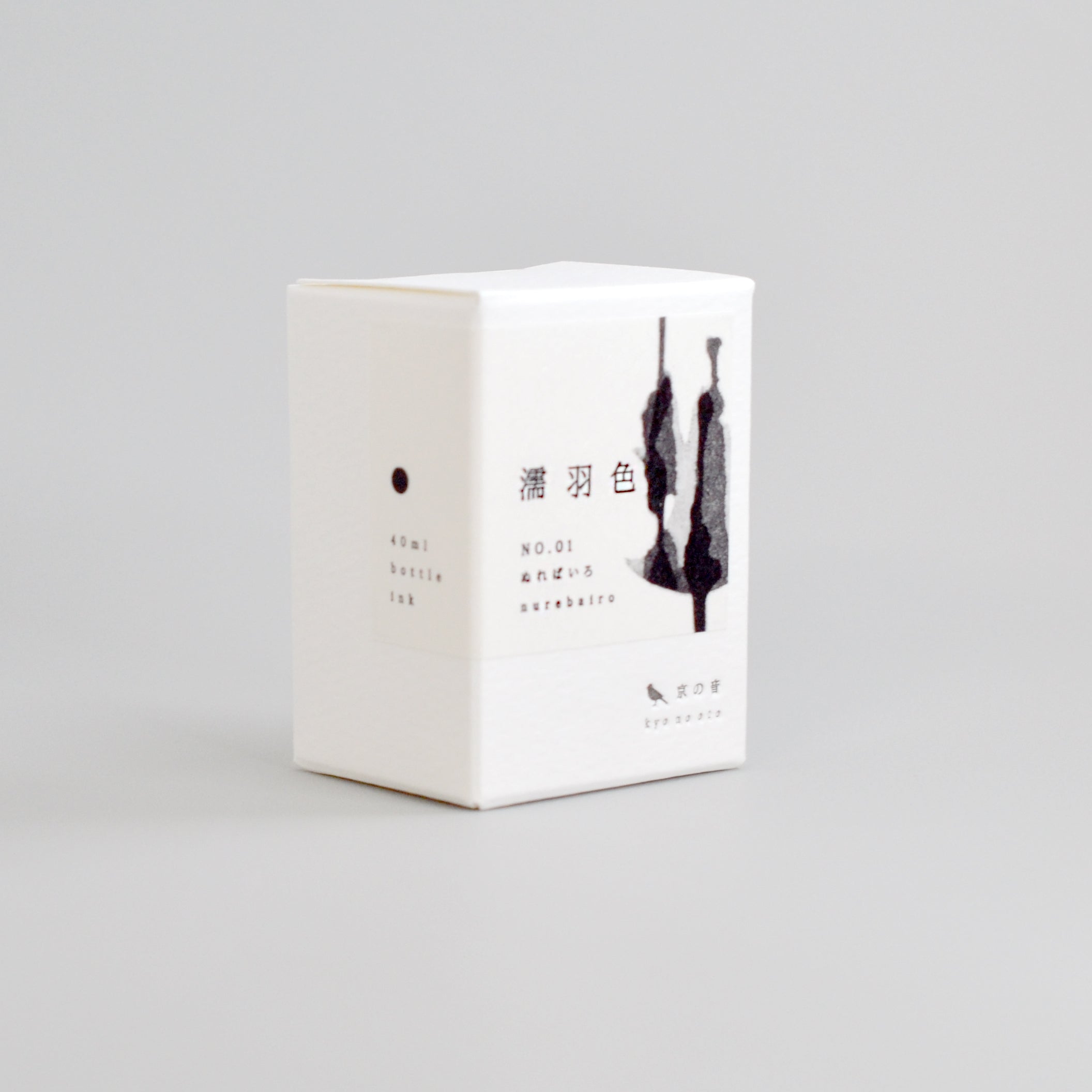
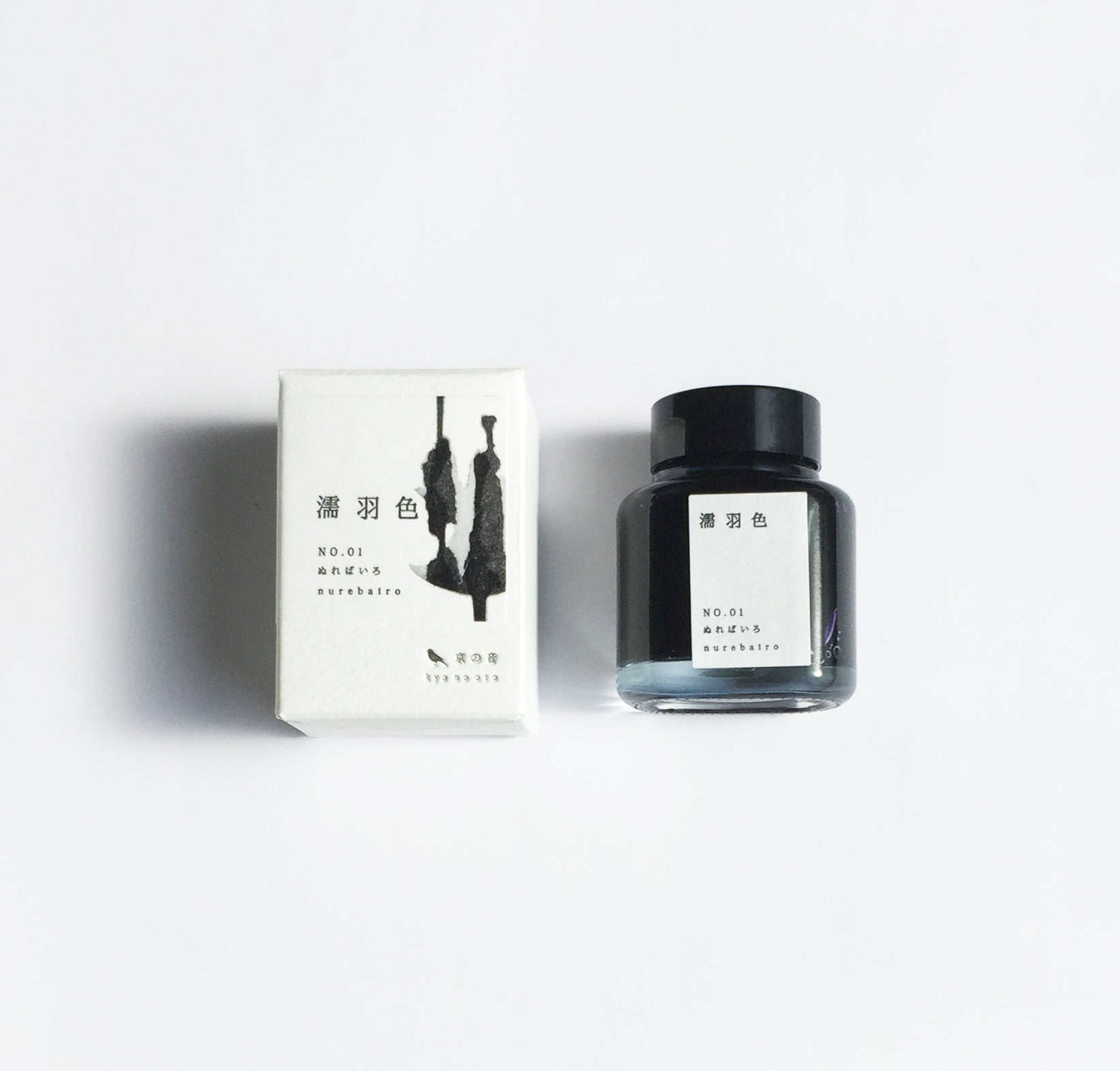
They took charge of color formulation and development together to reproduce traditional Japanese colors (wairo) handed down since the ancient Heian period into modern dye inks for writing.
Kyo-no-Oto, the flagship product line of TAG STATIONERY, catches the eye starting from the color names written on the bottles. This series consists of writing inks that revive traditional Japanese colors (wairo) used since the Heian period through modern techniques and interpretations[1].
The unique colors that have dyed fabrics and paper for hundreds of years are rooted in traditional dyeing knowledge dealing with natural raw materials. To translate the ancient colors preserved in artifacts and historical literature into water-based dye ink that flows in modern fountain pens, the color formulation experience of traditional dyeing and weaving was necessary beyond simple chemical mixing.
This is why TAG STATIONERY joined hands with the Kyoto Plant Dyeing Research Laboratory, which consists of dyeing and weaving experts[2]. Through the process of refining and interpreting long-standing traditional colors to suit modern writing instruments, the two organizations completed original dye inks with proprietary formulations together[3][4].
The specific development period with the Kyoto Plant Dyeing Research Laboratory and the detailed color formulation recipes that realized traditional Japanese colors into dye inks have not yet been confirmed.
Product measurements
View details
Kyo no Oto | Nurebairo
Other stated figures
| Part | Value |
|---|---|
| 용량 | 40ml |
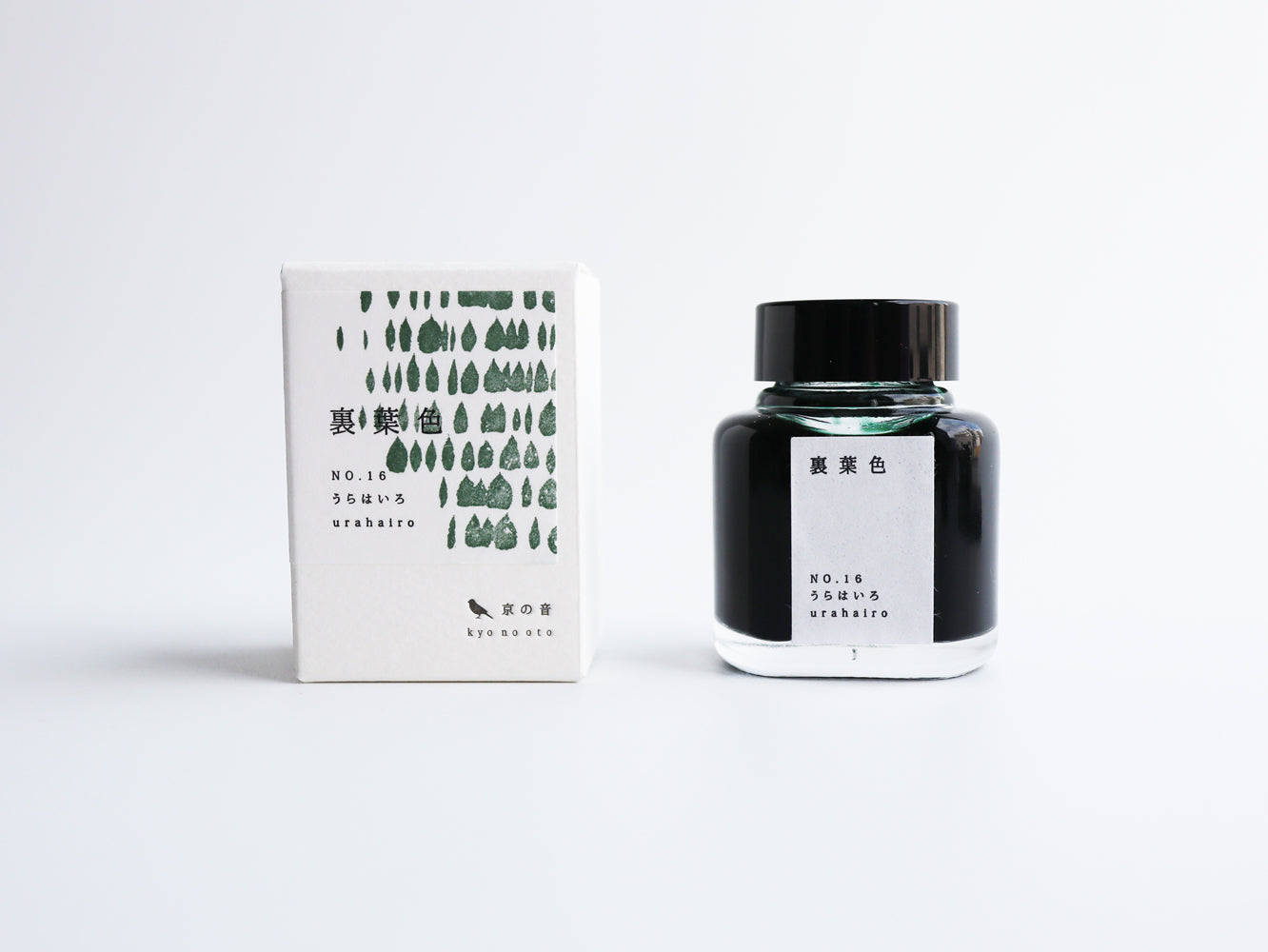
Kyo no Oto | Urahairo
Other stated figures
| Part | Value |
|---|---|
| 용량 | 40ml |