What role does the Dyneema fabric mentioned in the description play when combined with paper?
Seeing the advanced fiber Dyneema and paper listed side by side in the wallet material guide feels unfamiliar. It makes one curious about how two materials with completely different properties are combined in a wallet.
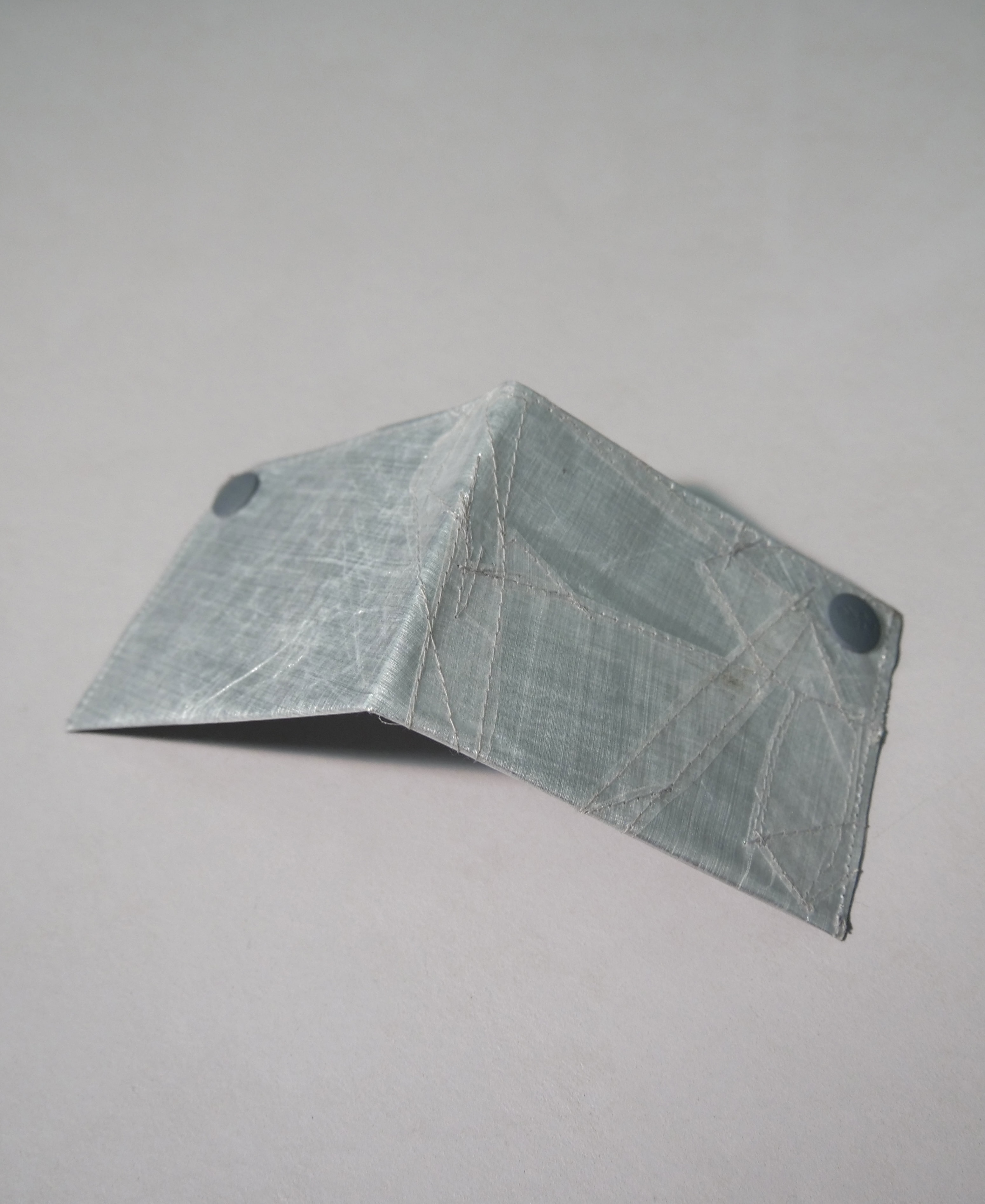
It is a construction designed to stably support cards and cash by adding extremely lightweight and tough Dyneema fabric to a paper base that holds the shape.
On one side sits thin paper, easily soaked or torn, while facing it is a high-strength synthetic fabric that withstands typical friction. OZN's Re: Wallet is a wallet crafted using Dyneema® Composite Fabric and Paper, which possess these contrasting properties[1]. While providing storage capability to neatly organize and hold cards and cash, its weight is only roughly 8g[2][3].
The key to supporting this light weight lies in how the physical properties of the two materials complement each other. Dyneema is an advanced fiber widely used in outdoor equipment and yacht sails because it is far tougher than steel of the same weight yet light enough to float on water. Although it does not absorb moisture and is extremely resistant to friction and tearing, it is so thin and flexible that using it alone makes it difficult to maintain a firmly structured wallet shape.
The paper added here plays the role of a framework that maintains crisp angles so the wallet does not collapse. The stiffness of the paper establishes the shape, and wrapping the outer surface with Dyneema fills in the durability.
hmmm, it is a clever combination that brings together the most analog paper and the most modern functional fabric, shedding weight without sacrificing the wallet's inherent firmness.
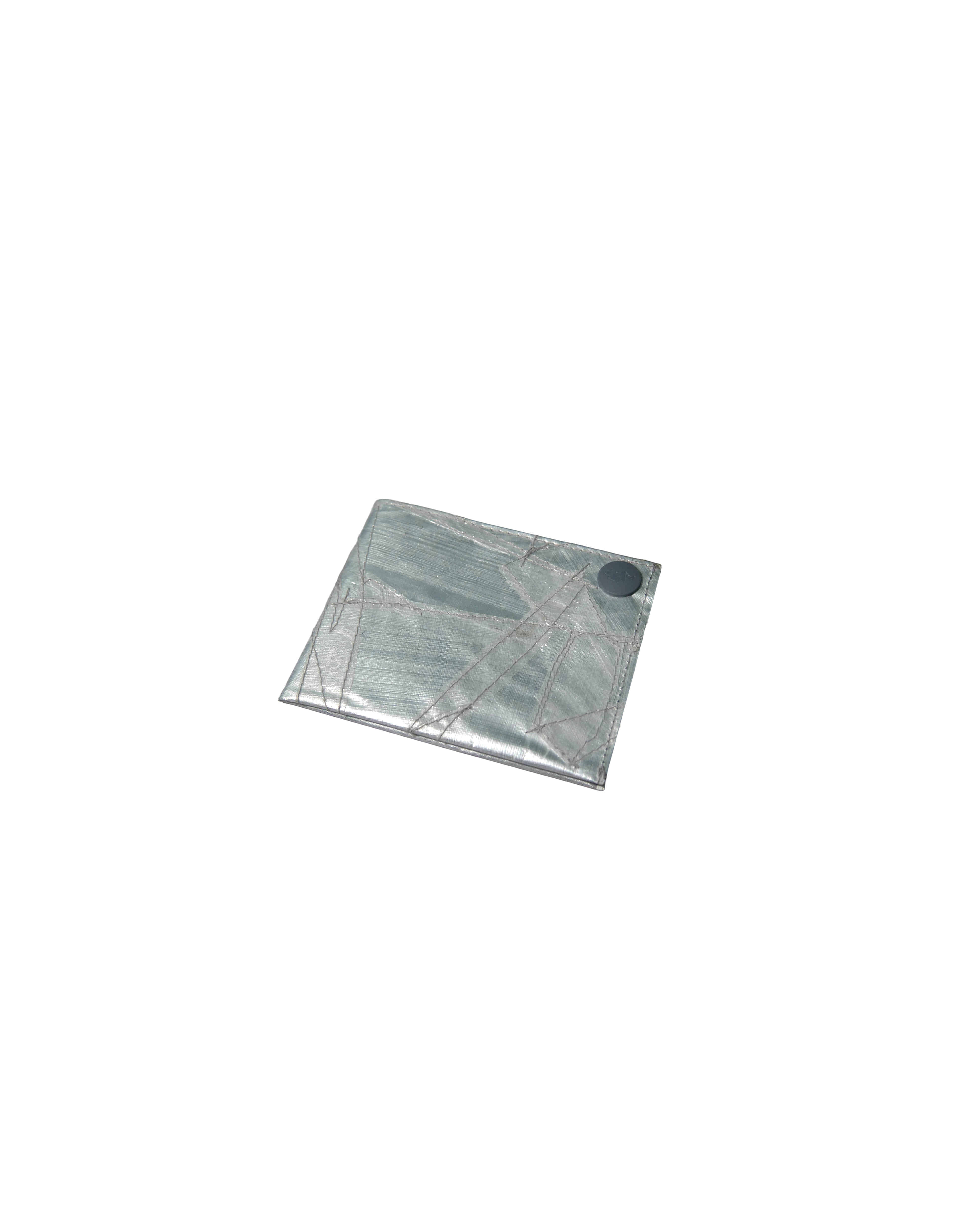
The method used to combine the two materials—whether through pressing, sewing, or another technique—has not yet been confirmed in official materials.
Product measurements
View details
Re: Wallet
Other stated figures
| Part | Value |
|---|---|
| 무게 | 8g |