How is pattern design that reduces fabric loss different from recycling leftover fabric?
Seeing both the explanation of making clothes by collecting leftover scraps and the plan to design patterns to reduce fabric loss, this addresses curiosity about what difference the two production methods create.
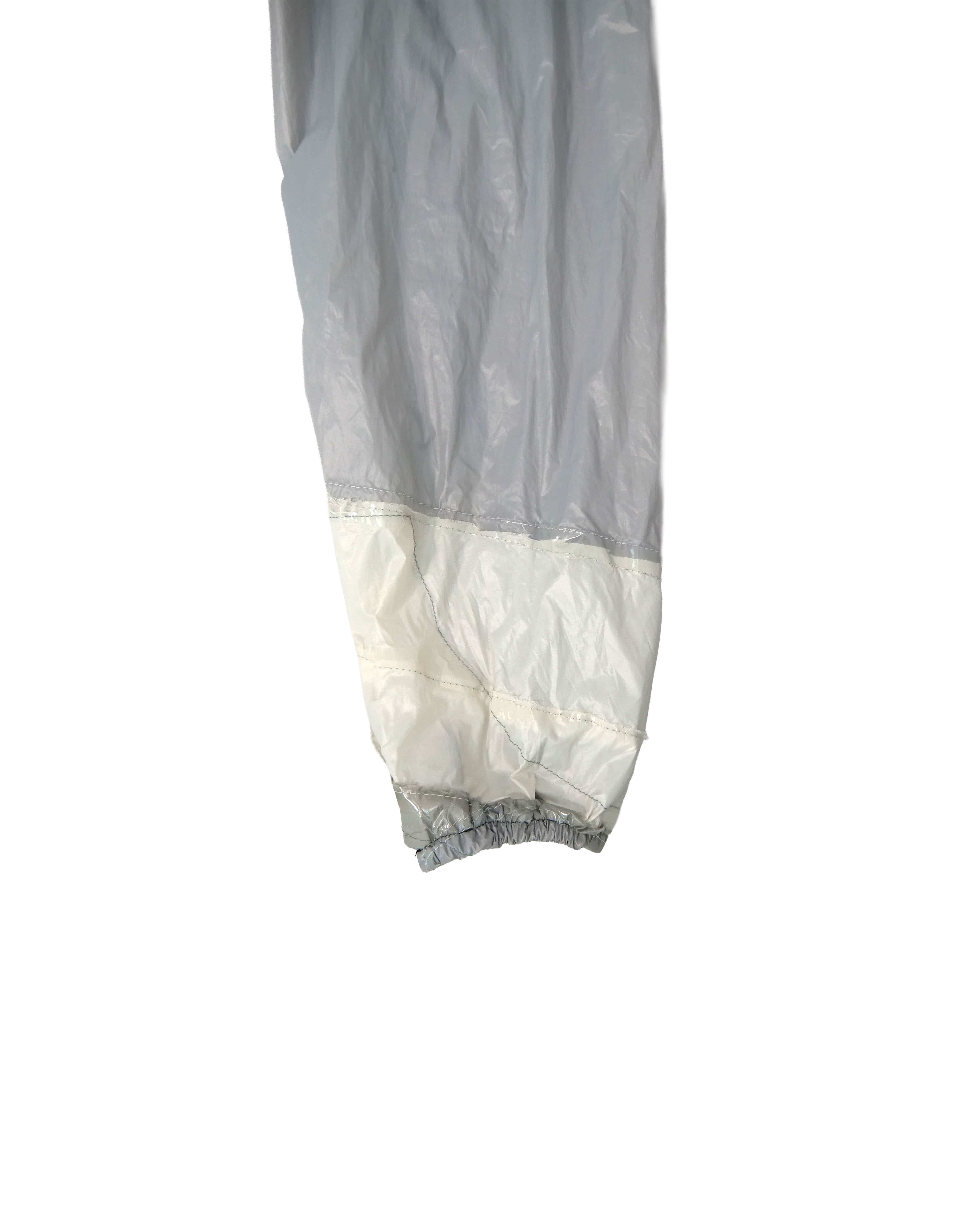
Unlike post-recycling, which collects remaining scraps to make new clothes, pattern design interlocks pattern pieces to reduce the discarded fabric itself right from the start.
If previous work was about collecting remaining scraps, the next work is about reducing the scraps to be discarded themselves. The official materials describe two production methods.
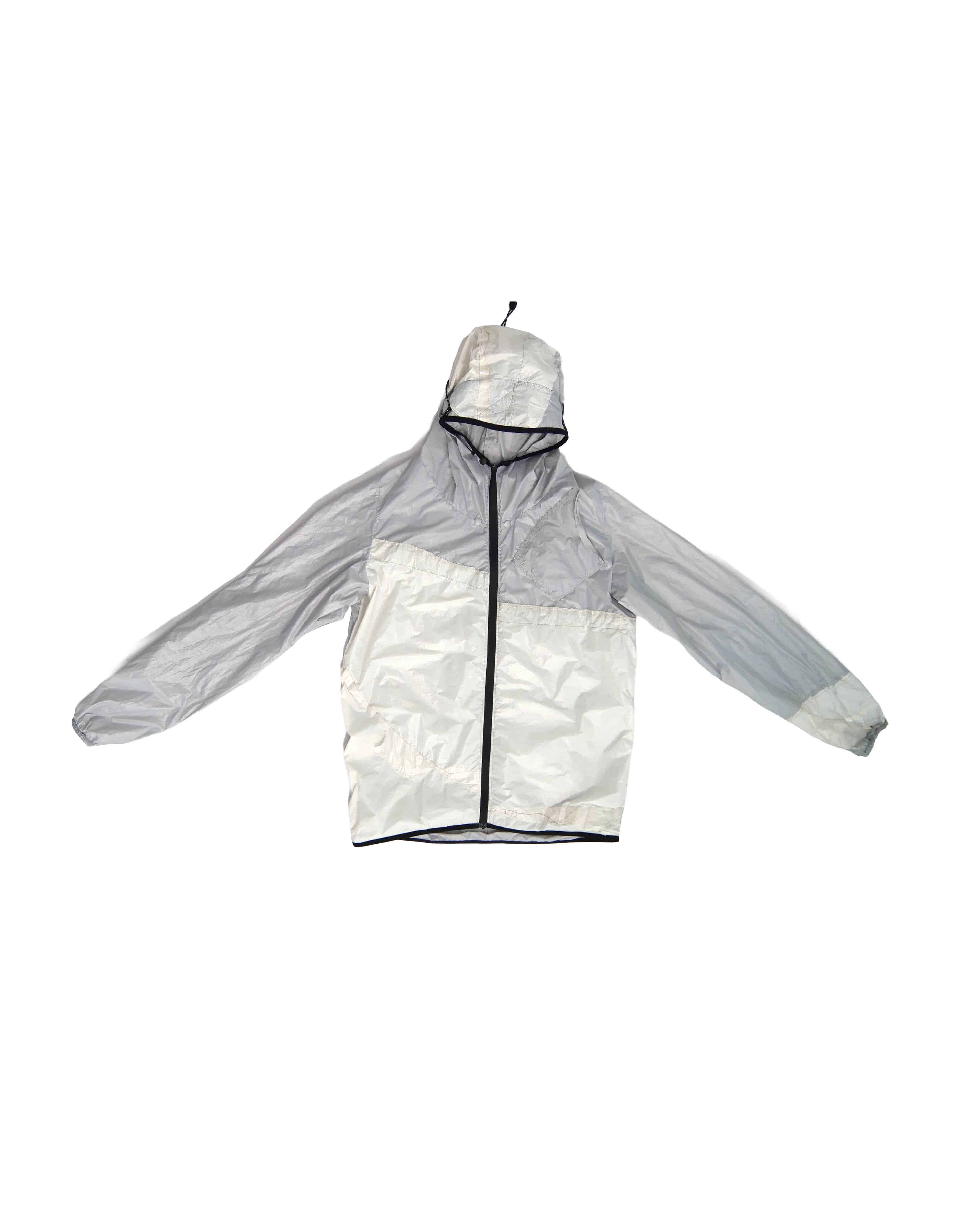
The first is post-utilization. The windbreaker outerwear Re: Wind Jacket (10D) was made by reusing leftover scraps after cutting fabric instead of discarding them[1]. In contrast, OZN will newly design the pattern pieces themselves to reduce discarded scraps in a specific collection to be presented in 2025-10[2]. Generally, when making clothes, curved pattern pieces are laid out on flat fabric and cut, leaving discarded gaps between pieces; however, planning patterns so that the pieces interlock like a puzzle can reduce the generation of scraps in advance.
The approaches are different. If collecting scraps that have already occurred and bringing them back to life as clothes is the work of gathering discarded materials, pattern design that redraws pattern pieces is an attempt to narrow the room for waste from the very first stage of production.
The specific product line of the 2025-10 collection to which the pattern design that reduces fabric loss will be applied has not yet been confirmed.
Product measurements
View details
Re: Wind Jacket (10D)
Measurements
| Part | Value |
|---|---|
| Chest ◦ | 91cm |
| Weight | 68kg |
For rows marked with ◦, flat measurement or circumference could not be confirmed in official sources, so hmmm determined them using figures from the same item.
Other stated figures
| Part | Value |
|---|---|
| Height | 170cm |