How different are the '20,000 cycle' and '50,000 cycle' shown in the leather descriptions?
When reading the material descriptions, the number attached to each leather is different. It is hard to judge whether one should choose the one with the higher number.
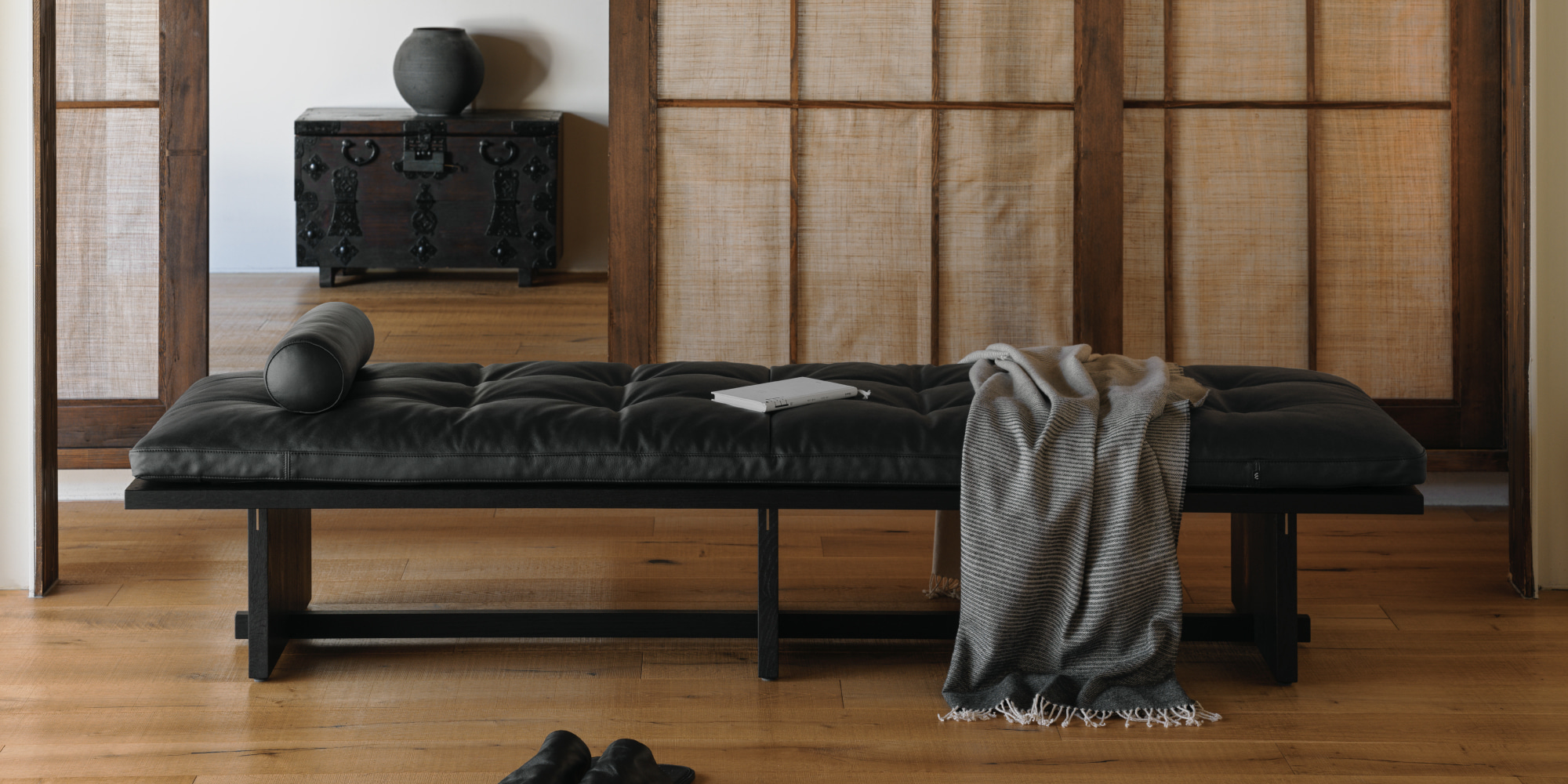
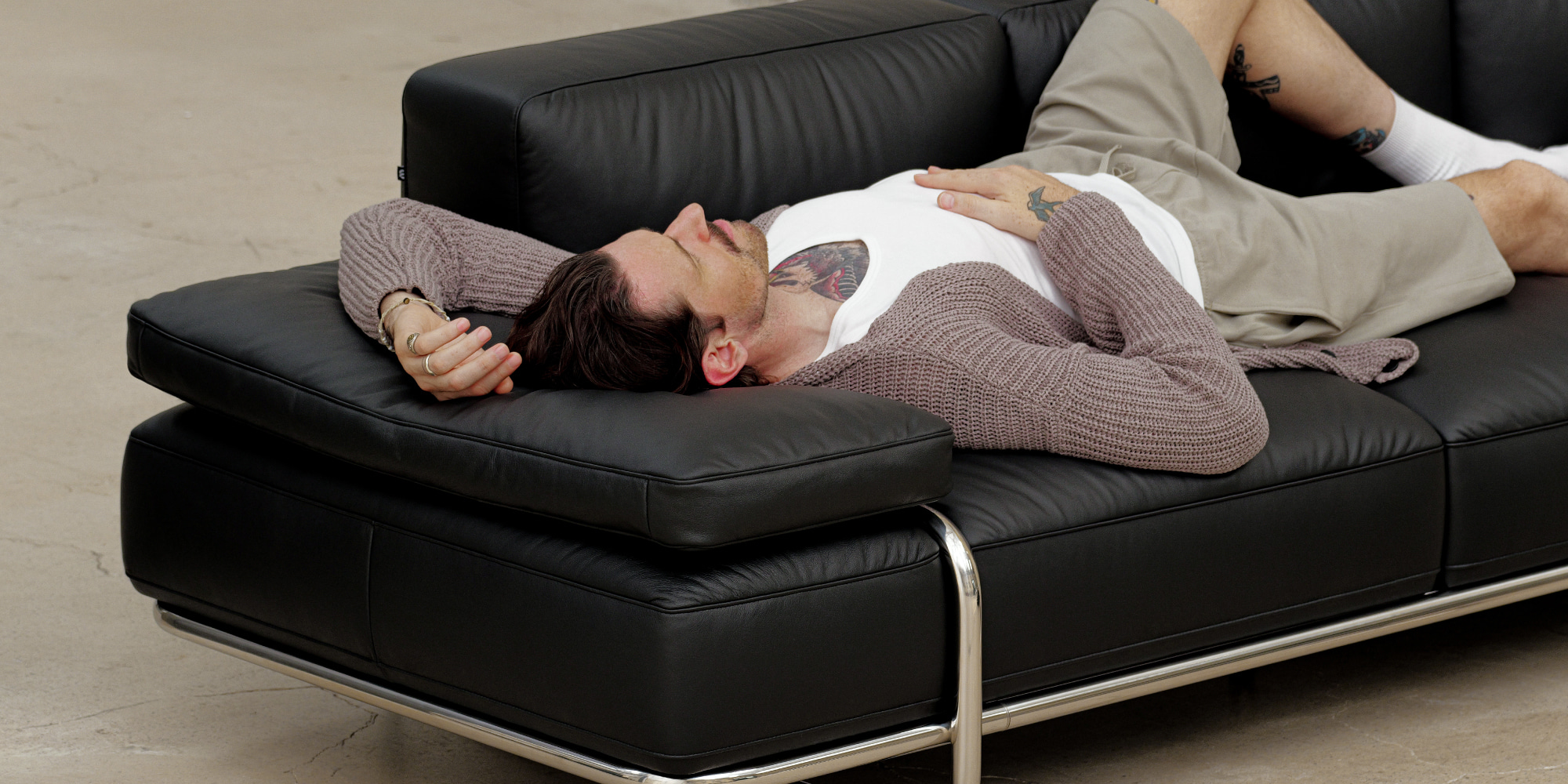
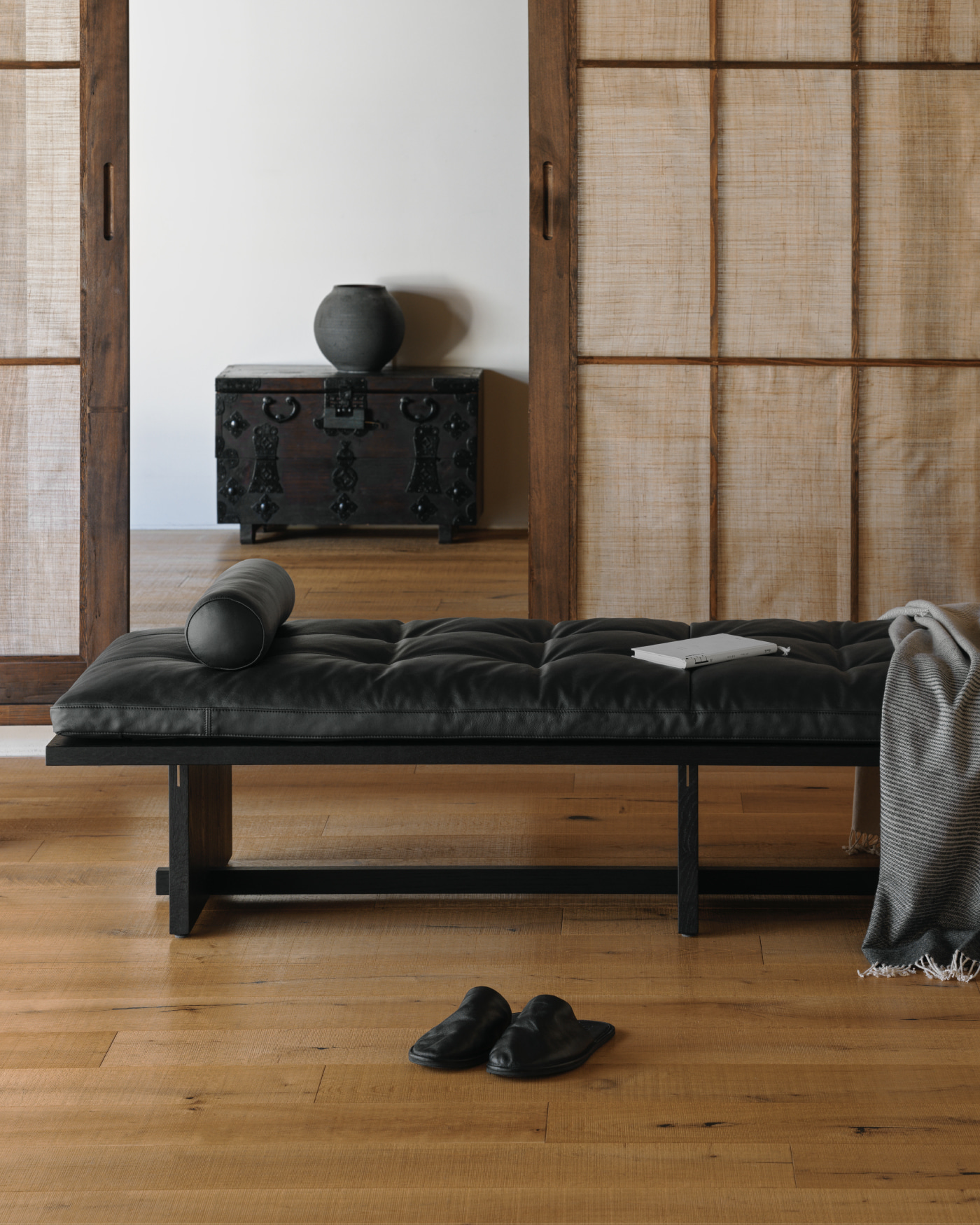
They are the number of times sustained in surface flexing tests; the TANNER leather of the cushions recorded 20,000 cycle, and the leather of the BLANK DAYBED SOFA recorded 50,000 cycle.
Looking only at the numbers, they are 20,000 and 50,000, but both are results from the test under the same name: Flexing Endurance Test[1][2]. It is a test to check whether cracking or damage occurs while repeatedly bending and straightening the surface of natural leather under specified conditions, and the cycle attached at the end refers to how many times it endured that flexing[3].
TANNER, which recorded 20,000 cycle, is full-grain leather made by post-processing European raw cowhide at CREST LEATHER in Italy, and through an aniline finish, it presents a gloss, a soft touch, and a deep color[4][5]. Aniline is a finish that dyes with dyestuff while keeping the pigment layer covering the surface to a minimum, so while the original grain and color of the leather are revealed as they are, the protective layer enclosing the surface tends to be thin.
The one that yielded 50,000 cycle in the same test is the leather used in the BLANK DAYBED SOFA[6]. A cushion is an object moved by hand to support the back or arms, whereas a daybed sofa is furniture where people repeatedly sit down and stand up, causing the same parts to continuously fold.
hmmm, therefore, rather than a report card indicating which leather is better, these two numbers are closer to a scale allowing one to infer what use the leather was chosen with in mind. Whether to prioritize leather that foregrounds touch and color or leather that endures folding for a long time depends on where the object is placed and how it is used.
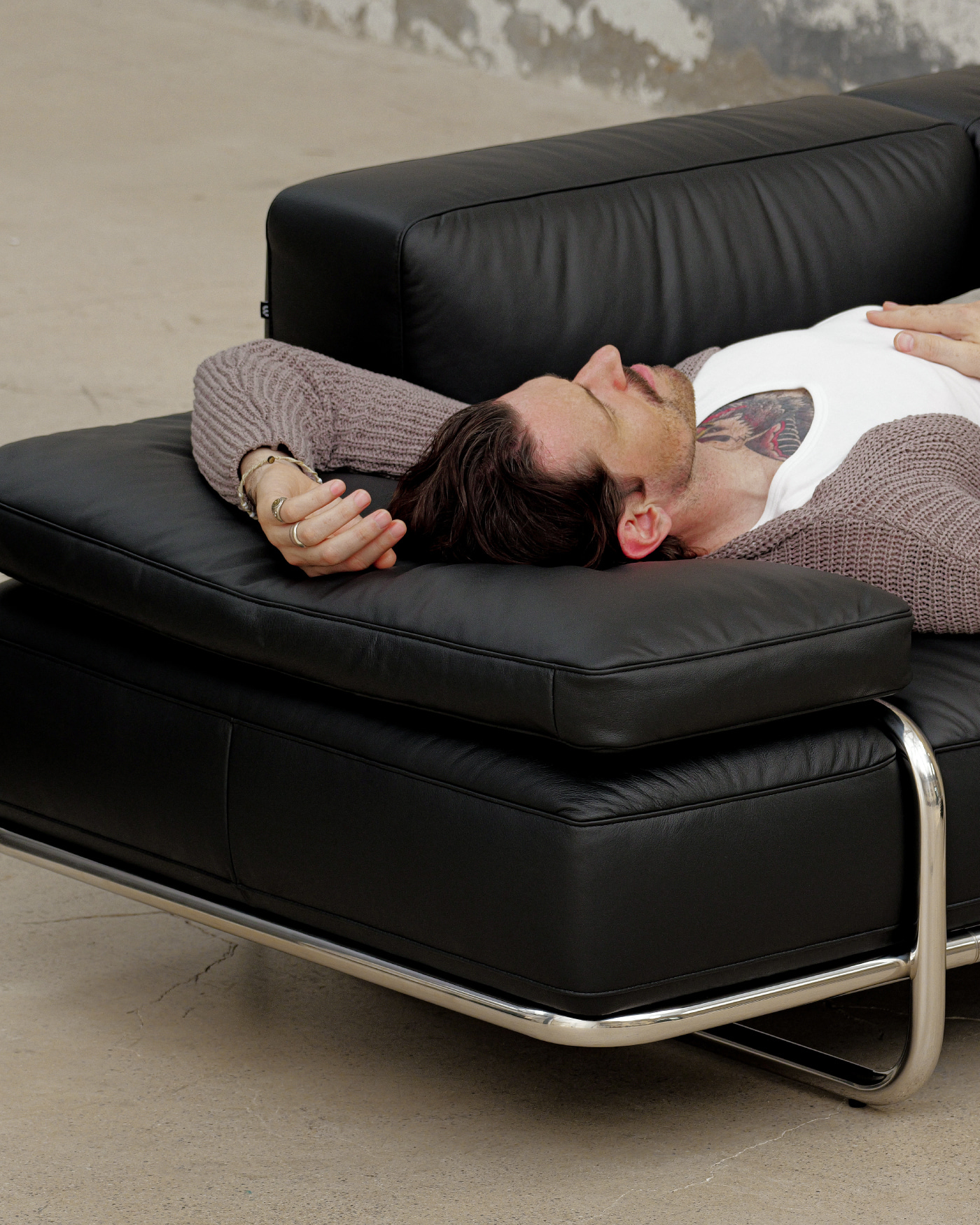
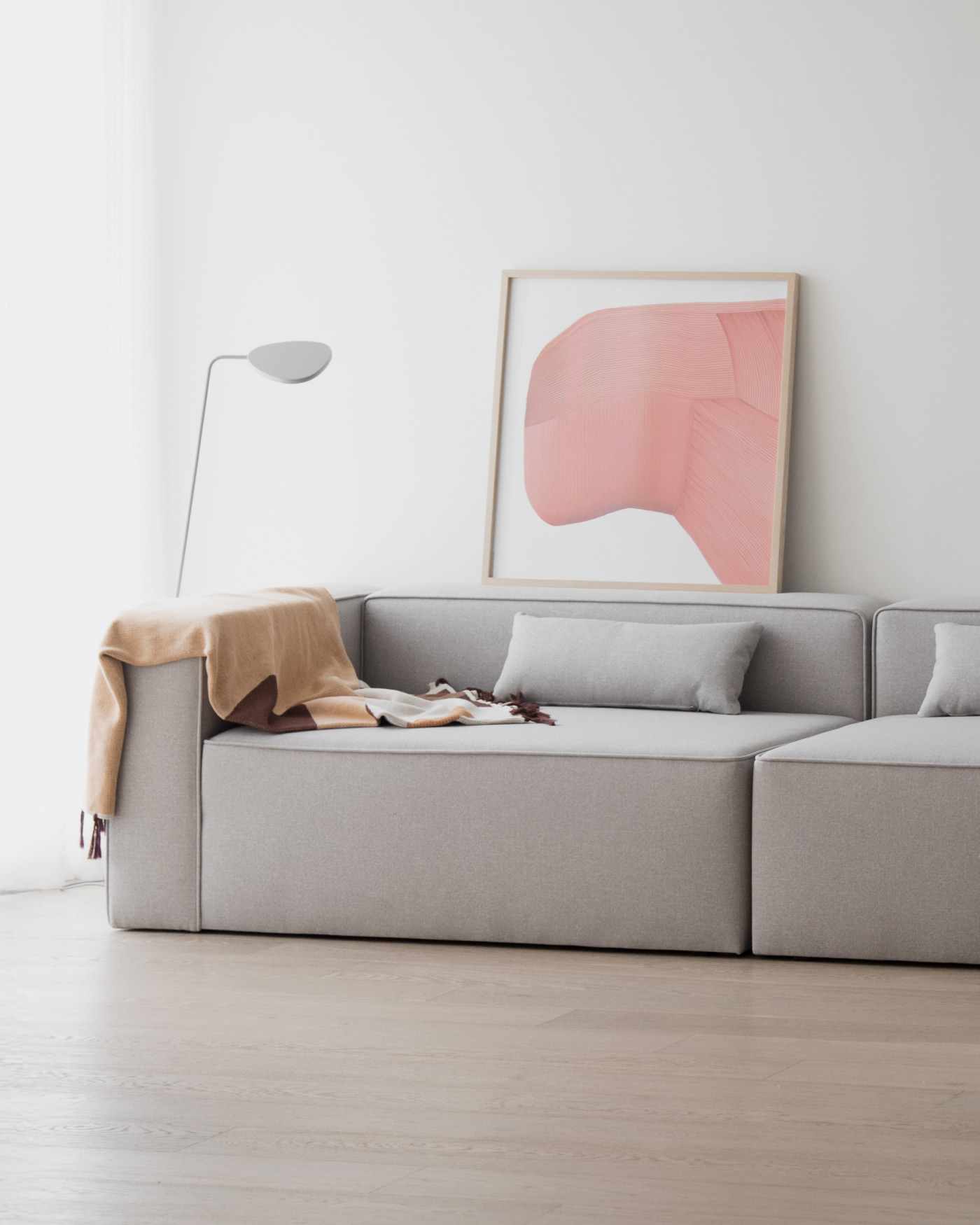
What the grade and finish of the leather used in the BLANK DAYBED SOFA are, and whether the two tests were conducted under identical conditions, have not yet been confirmed.