What role does the 2% polyurethane in the fabric composition play?
When looking at wool clothing and spotting 2% polyurethane at the end of the composition label, it is difficult to tell why such a small amount was added.
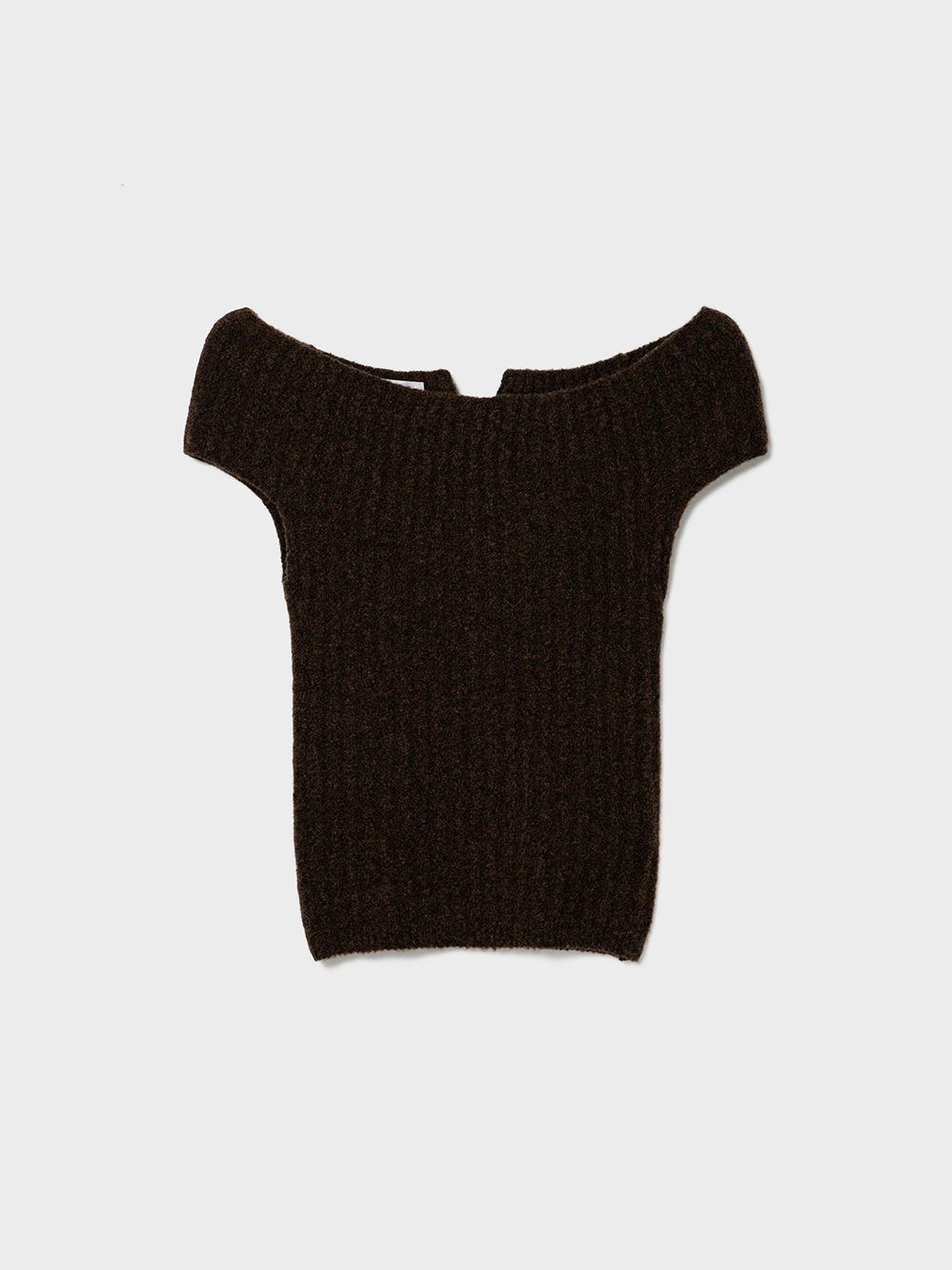
The shell is 79% wool, 19% nylon, and 2% polyurethane, and such a small amount is usually responsible for elasticity[1].
The name polyurethane is familiar in other places before clothing. Foam used in cushions, coatings covering surfaces, and synthetic leather all belong to the polyurethane family. In this outer fabric, such a material takes its place at 2%, behind 79% wool and 19% nylon[2].
When entering into fabric, polyurethane takes on a different appearance. Drawn into fine, well-stretching yarn, it is called spandex or elastane and is woven or knitted together with other yarns. Even with a low ratio, such elastic yarn has a noticeable effect, allowing the fabric to stretch along when raising an arm or sitting down and then return to its place.
This yarn also has a role in care. This outer fabric is dry-cleaned and not put in a dryer[3]. Wool itself is sensitive to water and heat, but elastic yarn is also prone to losing its elasticity at high temperatures, so avoiding hot drying is standard.
hmmm, 2% is the smallest number on the composition label, but its weight changes depending on where you read it — the character of the material is determined by wool and nylon, while movement when worn and precautions during washing rest on this small number.
It has not yet been confirmed in which direction of the outer fabric and in what yarn form the polyurethane is incorporated, nor how much stretch it provides.
Product measurements
View details
Off-Shoulder Wool Knit_Brown
Measurements
| Part | FREE |
|---|---|
| 총장 | 48cm |
| 어깨 | 38cm |
| 소매장 | 12cm |
| 가슴 ◦ | 32cm |
For rows marked with ◦, flat measurement or circumference could not be confirmed in official sources, so hmmm determined them using figures from the same item.