What is the difference between standard cotton tenugui and cotton-linen blend products?
When choosing a tenugui, in addition to standard cotton products, products blending cotton and linen also catch the eye. Sometimes you want to know how they differ not only in material composition, but also in size and usage.
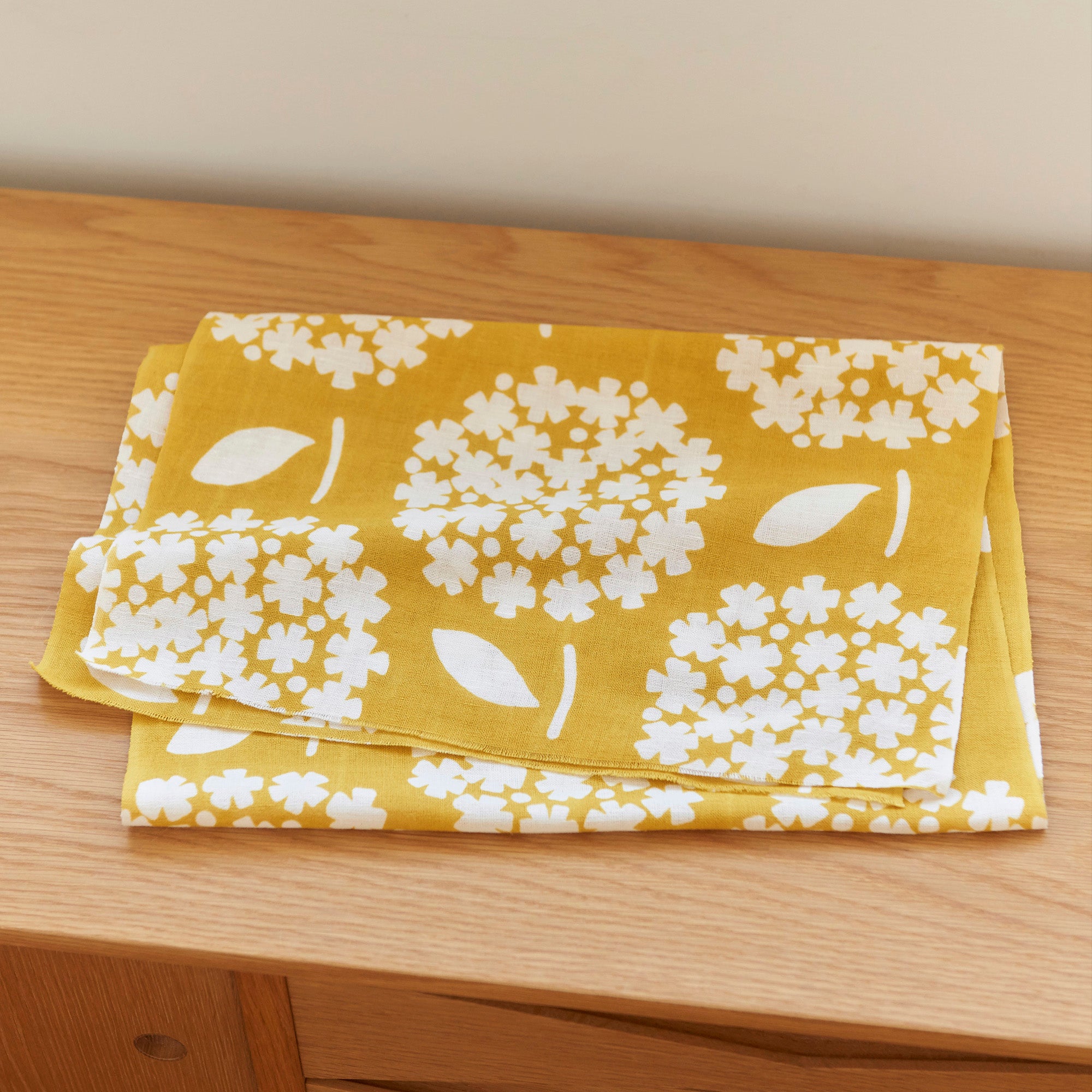
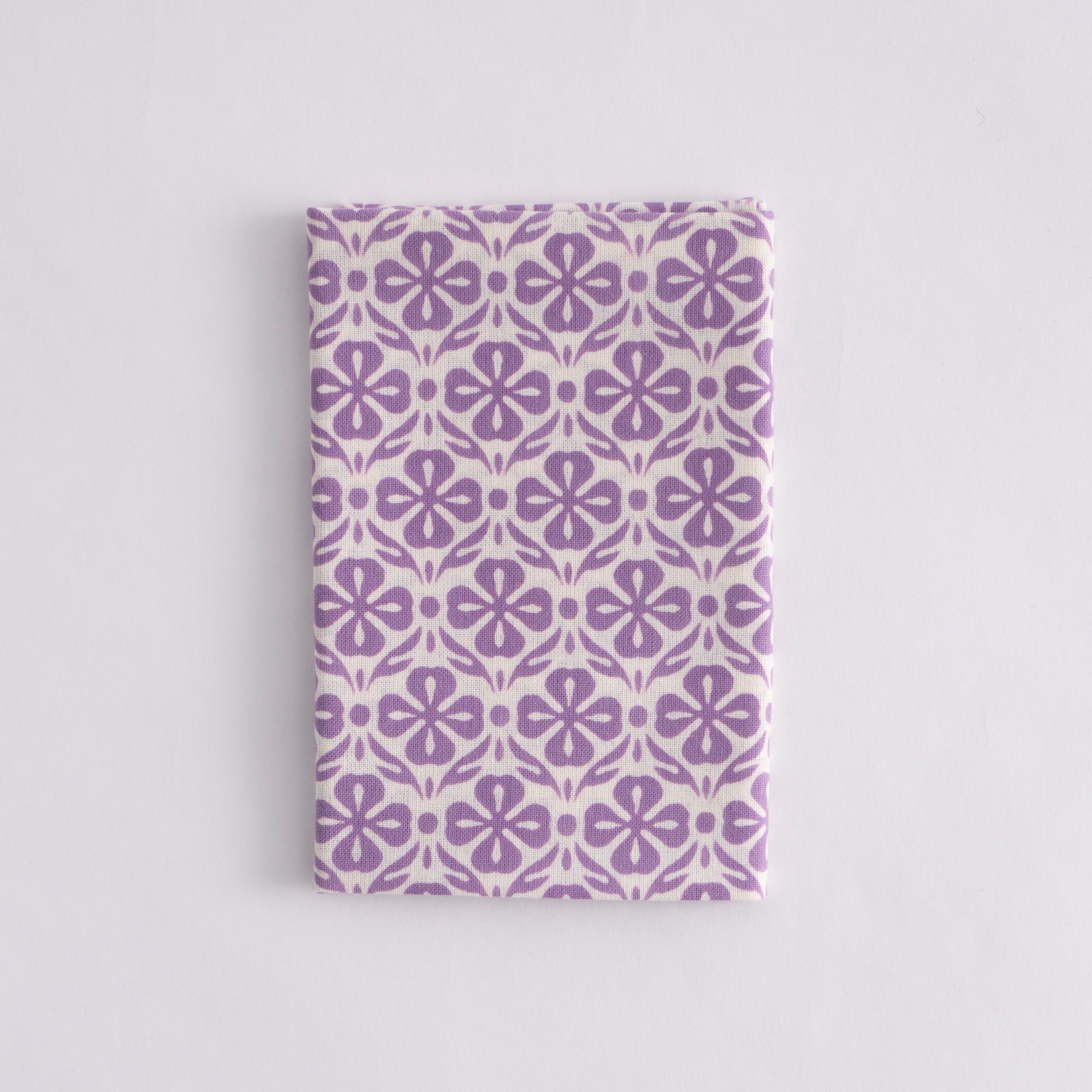
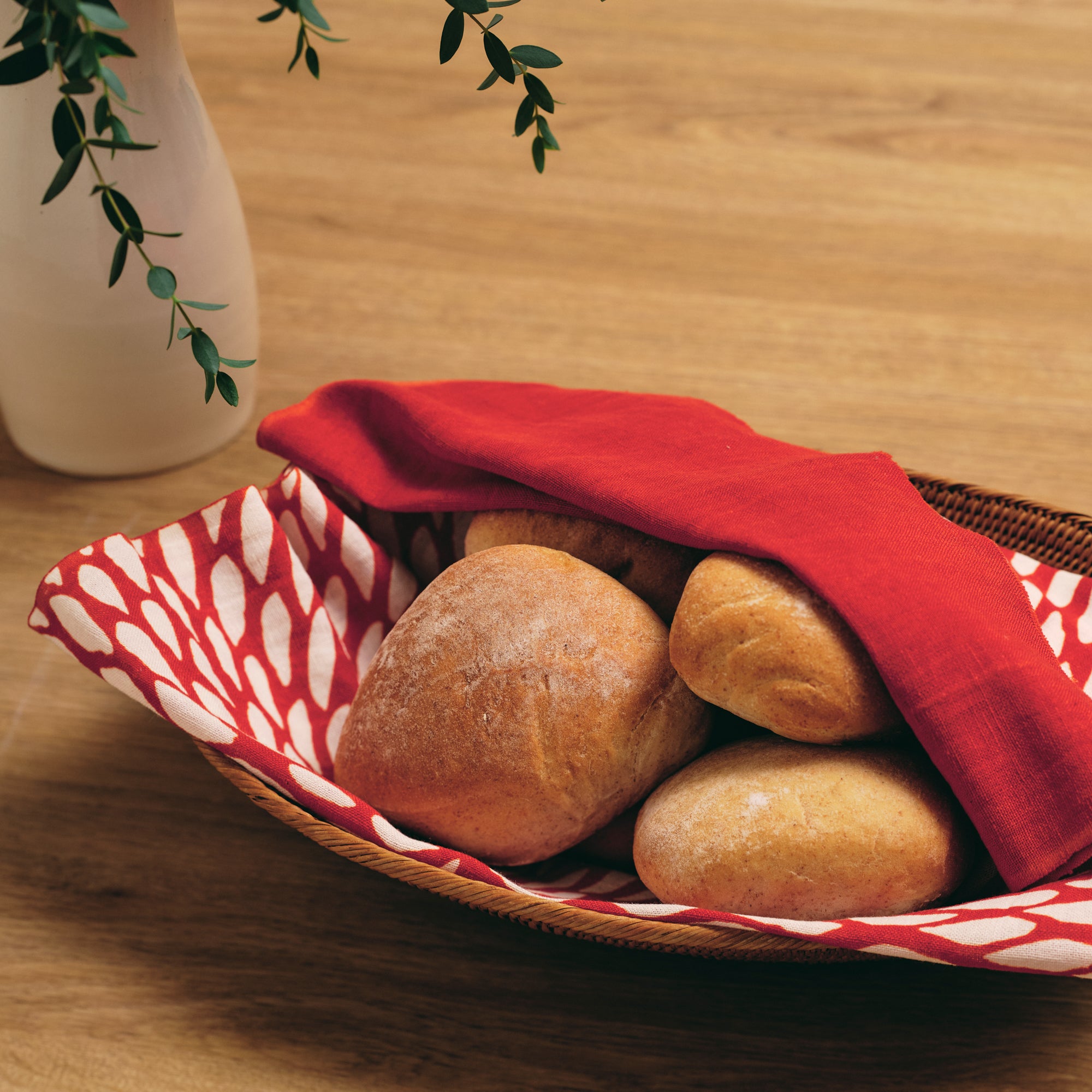
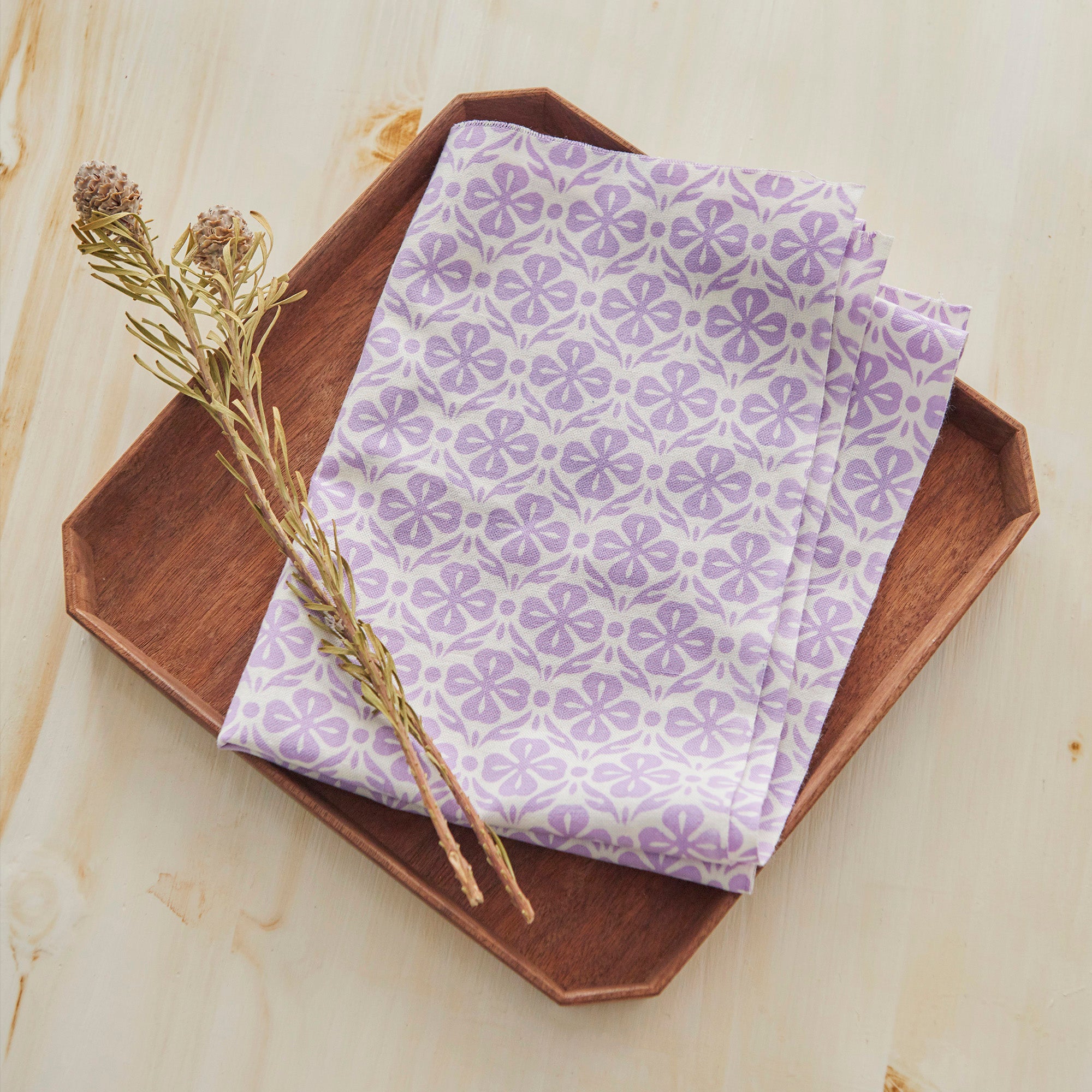
The cotton-linen blend products are larger in both width and length than standard cotton tenugui, and because the two fibers are woven together, the weave and uses also differ.
KAMAWANU's standard tenugui is made of 100% cotton material and has specifications of about 33cm in width and about 90cm in length[1][2]. In contrast, cotton-linen blend products consist of 60% linen and 40% cotton, and are larger in size at about 37cm in width and about 100cm in length[3][4].
There is also a difference in the weave. In the blend products, cotton is woven into the vertical warp threads and linen into the horizontal weft threads[5]. Cotton is soft and holds moisture well, while linen has firm threads, breathes well, and dries quickly. By interweaving the two materials, the flexibility of cotton and the crisp, cool texture of linen are brought out together.
As the size is larger, its everyday uses also expand. Beyond use as a handkerchief to wipe hands or sweat, it is suitable to spread out and use as a table runner laid lengthwise on a dining table, a tea towel for wiping dishes, or a kitchen towel[6].
The shrinkage rate or degree of wrinkling after washing for the cotton-linen blend tenugui has not yet been confirmed.
Product measurements
View details
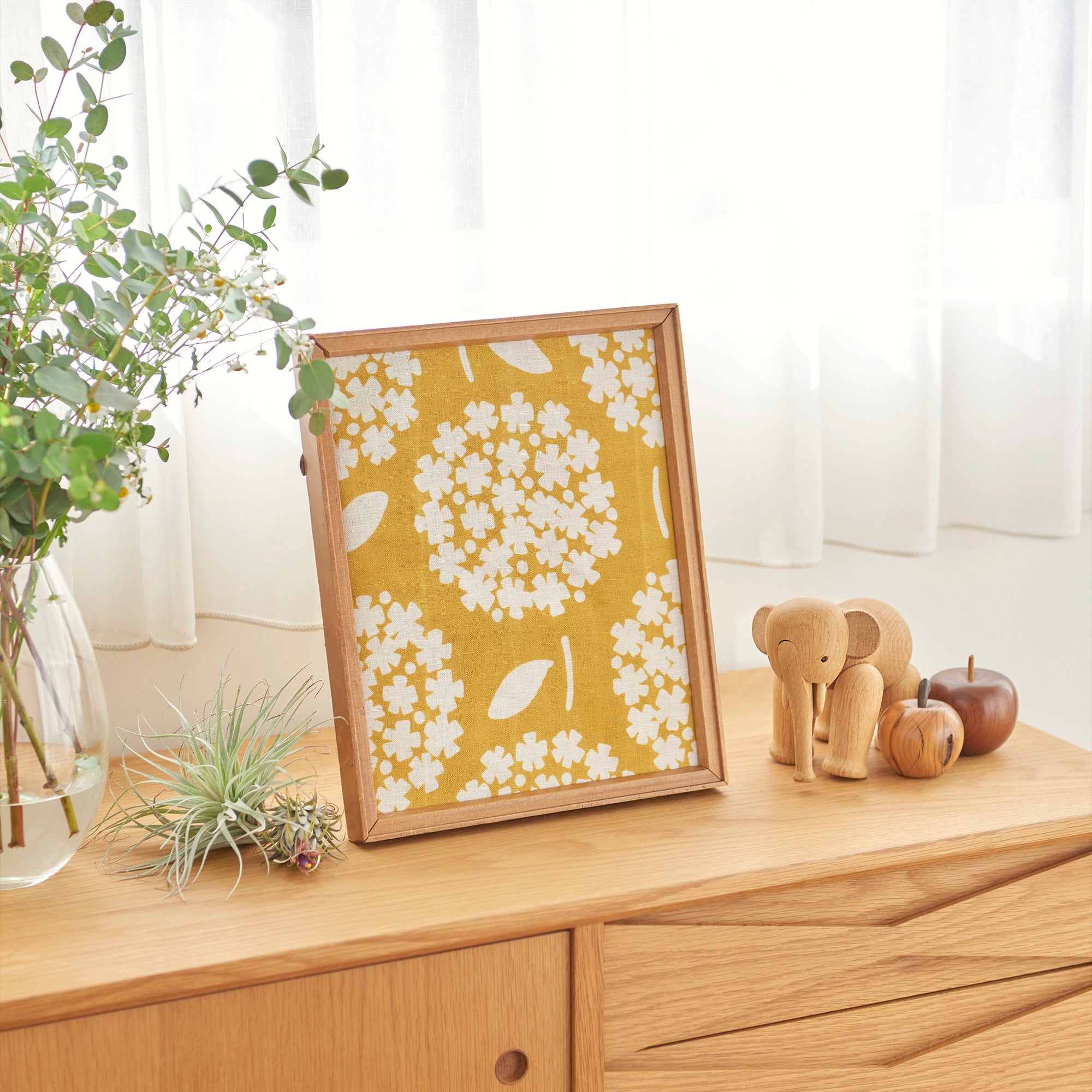
Flowers Mustard Cotton-Linen Tenugui
Other stated figures
| Part | Value |
|---|---|
| 가로 | 37cm |
| 세로 | 100cm |
Oxalis Yotsu-Katabami TENUGUI
Other stated figures
| Part | Value |
|---|---|
| 길이 ◦ | 90cm |
| 폭 | 33cm |
For rows marked with ◦, flat measurement or circumference could not be confirmed in official sources, so hmmm determined them using figures from the same item.