Why does the back side look noticeably whiter than the front when turning the bandana furoshiki over?
The user paused upon noticing that the color on the back is faint, having expected fabric where the color penetrates evenly on both sides. They are wondering whether it is a printing defect or originally made that way.
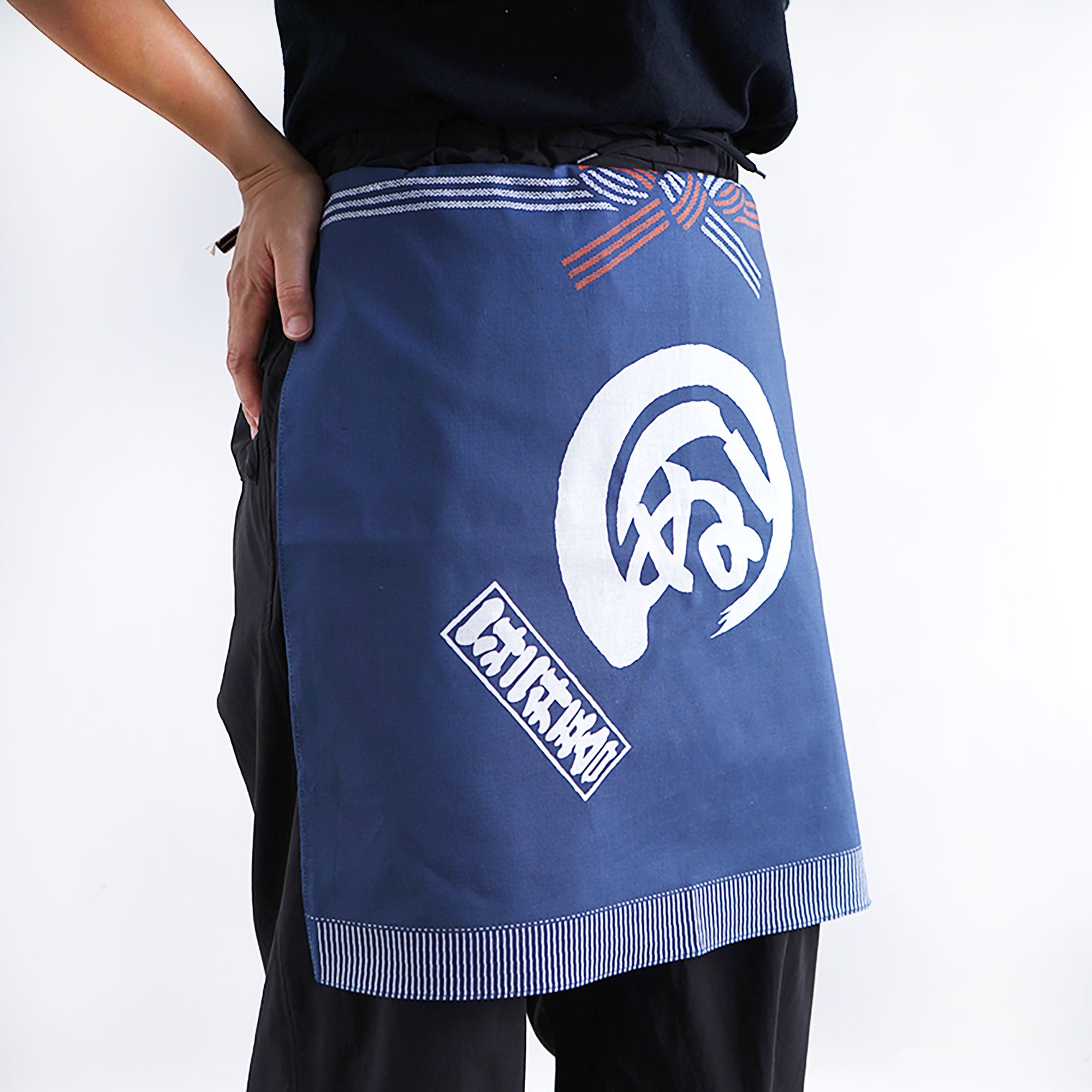


The back side appears relatively bright because a pigment inkjet printing method is used, where the ink stays on the surface without penetrating deep into the fibers.
The front side shows clear colors and lines, but when flipped over, the fabric shows through whitish on the inside. Some bandana furoshiki from KAMAWANU use an inkjet printing method that sprays pigment ink[1][2]. Pigment ink generally tends to adhere to the outer surface of the fibers rather than penetrating deeply inside the yarn structure. Because the ink particles mainly stay on the surface, less color reaches the opposite side of the yarn, allowing the fabric's inherently light base to show through[3].
The difference becomes clearer when compared to nassen fabrics hand-printed using traditional stencils[4]. Compared to the method of placing a stencil and pushing coloring agents through the gaps in the fabric, inkjet printing penetrates the fibers less, leaving the back side brighter or whiter[5].
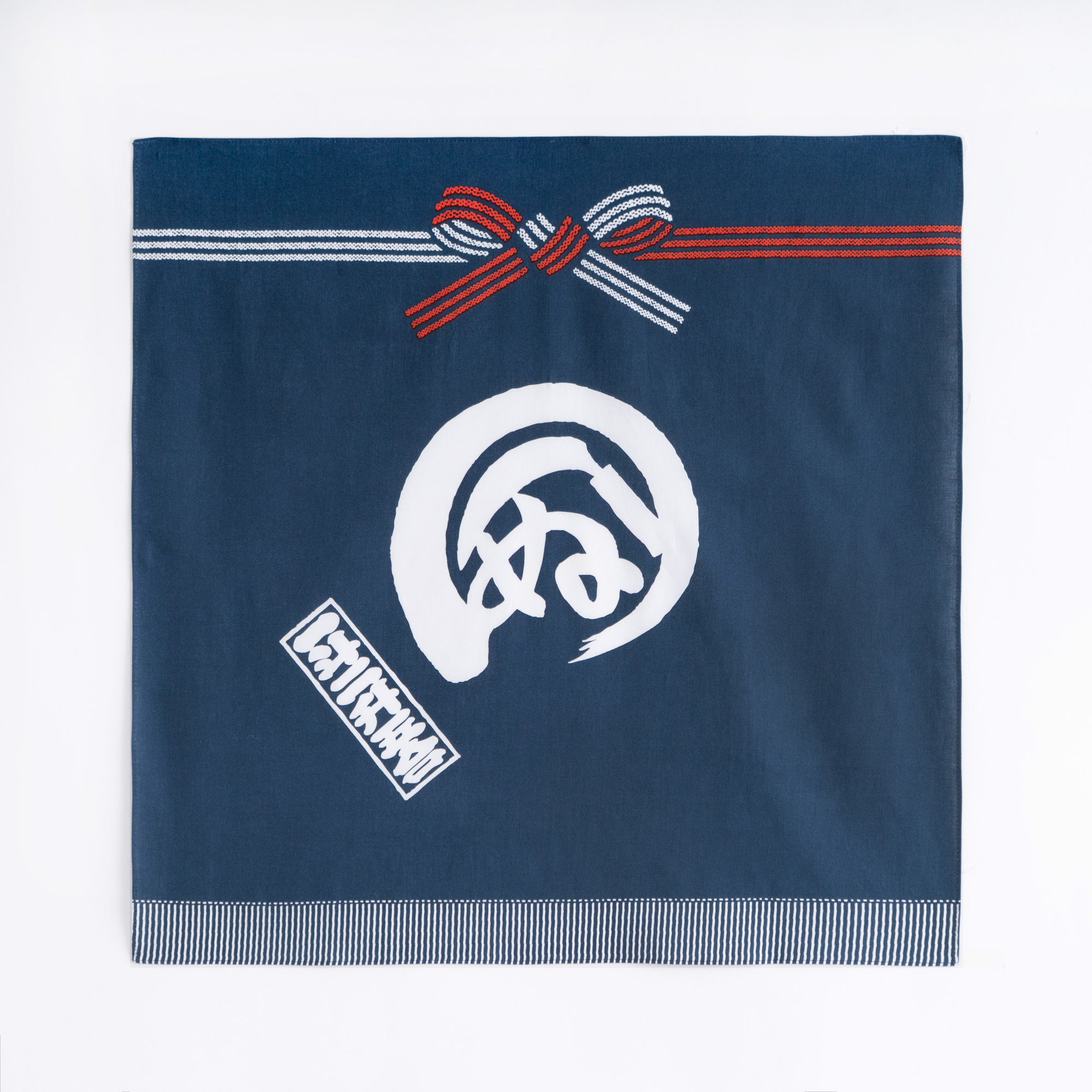
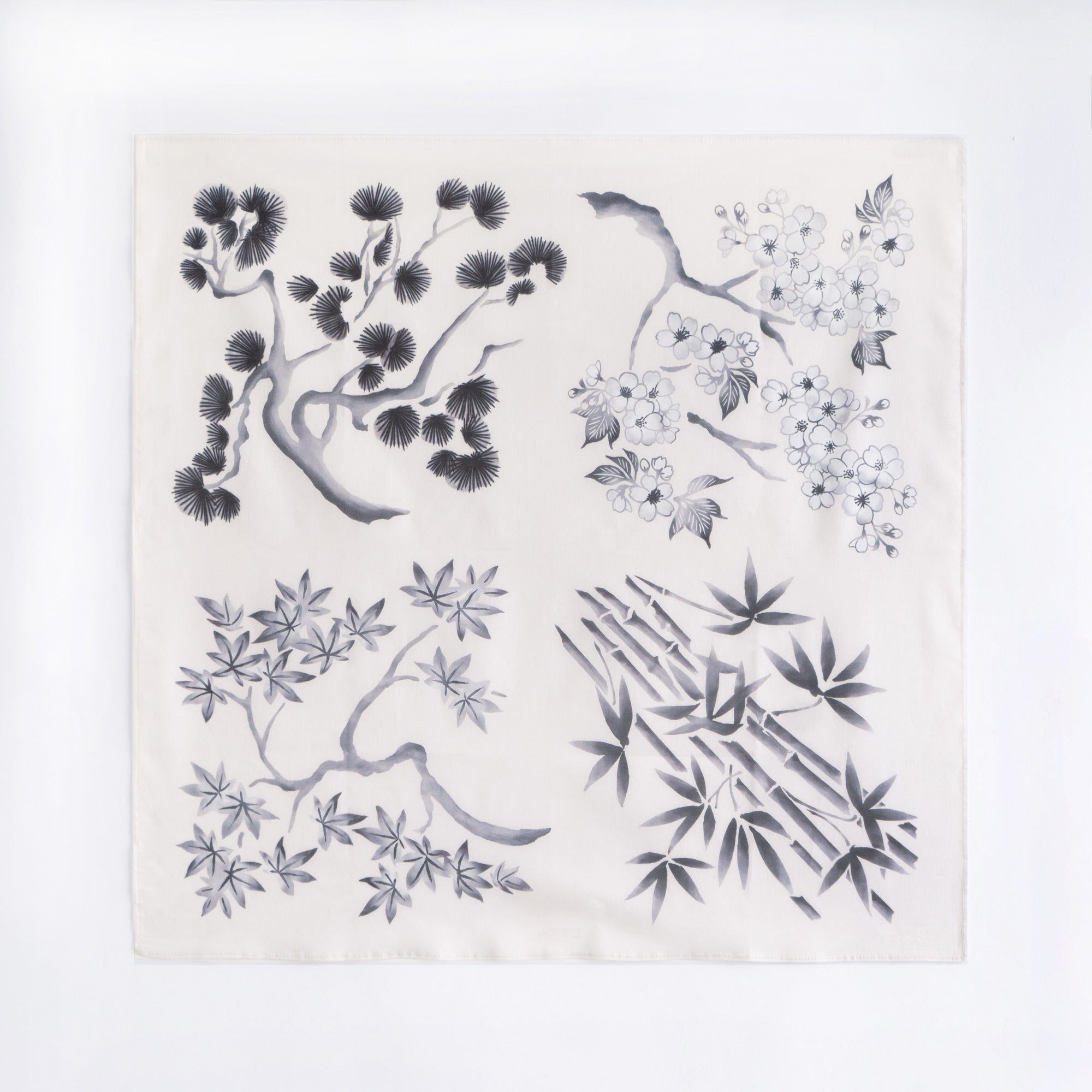
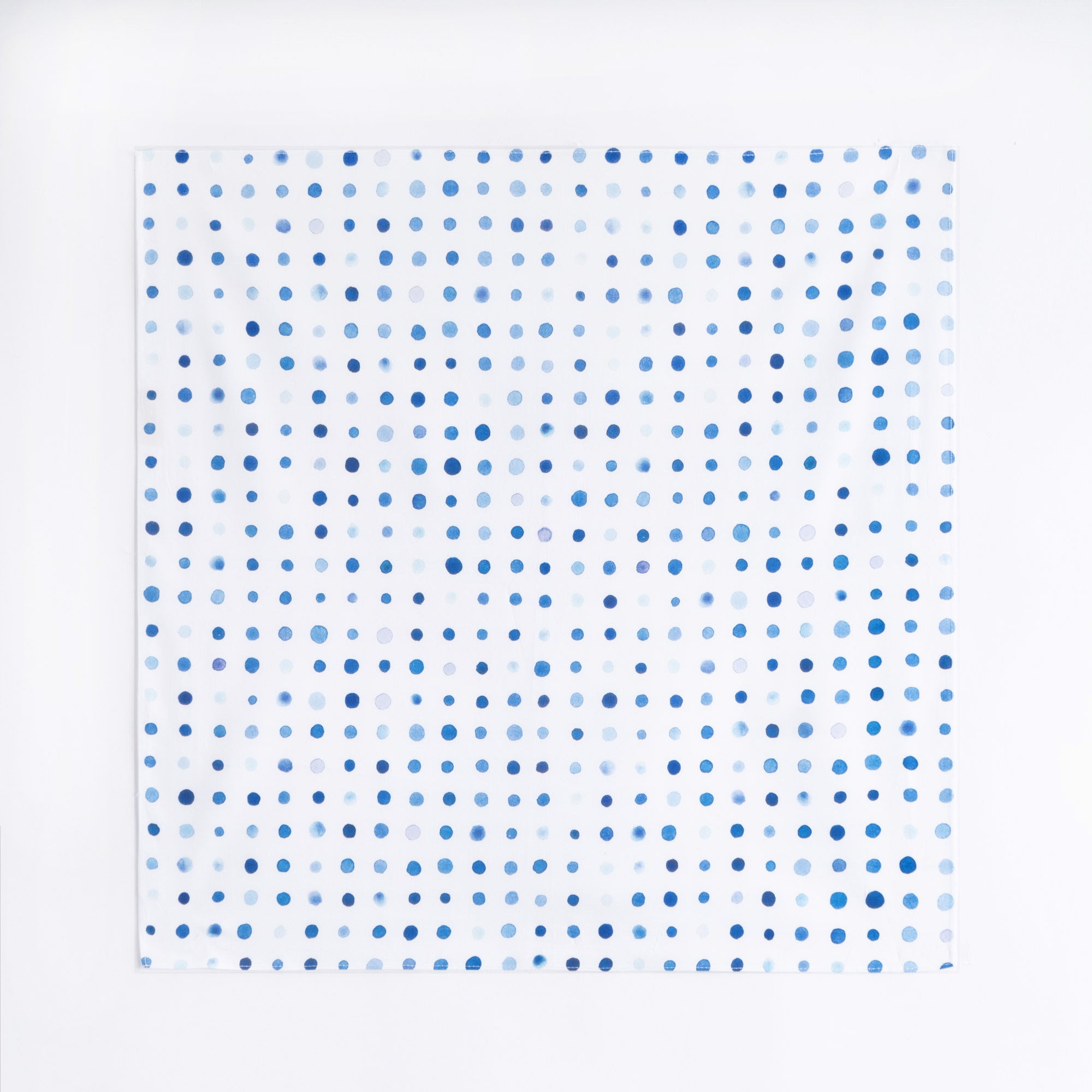
The difference in color fading after repeated washing between inkjet-printed fabrics and nassen fabrics has not yet been confirmed.
Product measurements
View details
Maekake BANDANA FUROSHIKI Small
Measurements
| Part | Value |
|---|---|
| 가로 | 50cm |
| 세로 | 50cm |
Tokinashi BANDANA FUROSHIKI Small
Measurements
| Part | Value |
|---|---|
| 가로 | 50cm |
| 세로 | 50cm |
Watercolor Polka Dots BANDANA FUROSHIKI Small
Measurements
| Part | Value |
|---|---|
| 가로 | 50cm |
| 세로 | 50cm |