Why are both the weight including moisture and the dry weight written together in the soap description?
When trying to check the soap's weight, two different numbers are written side by side, making it difficult to determine which one to use as a reference.
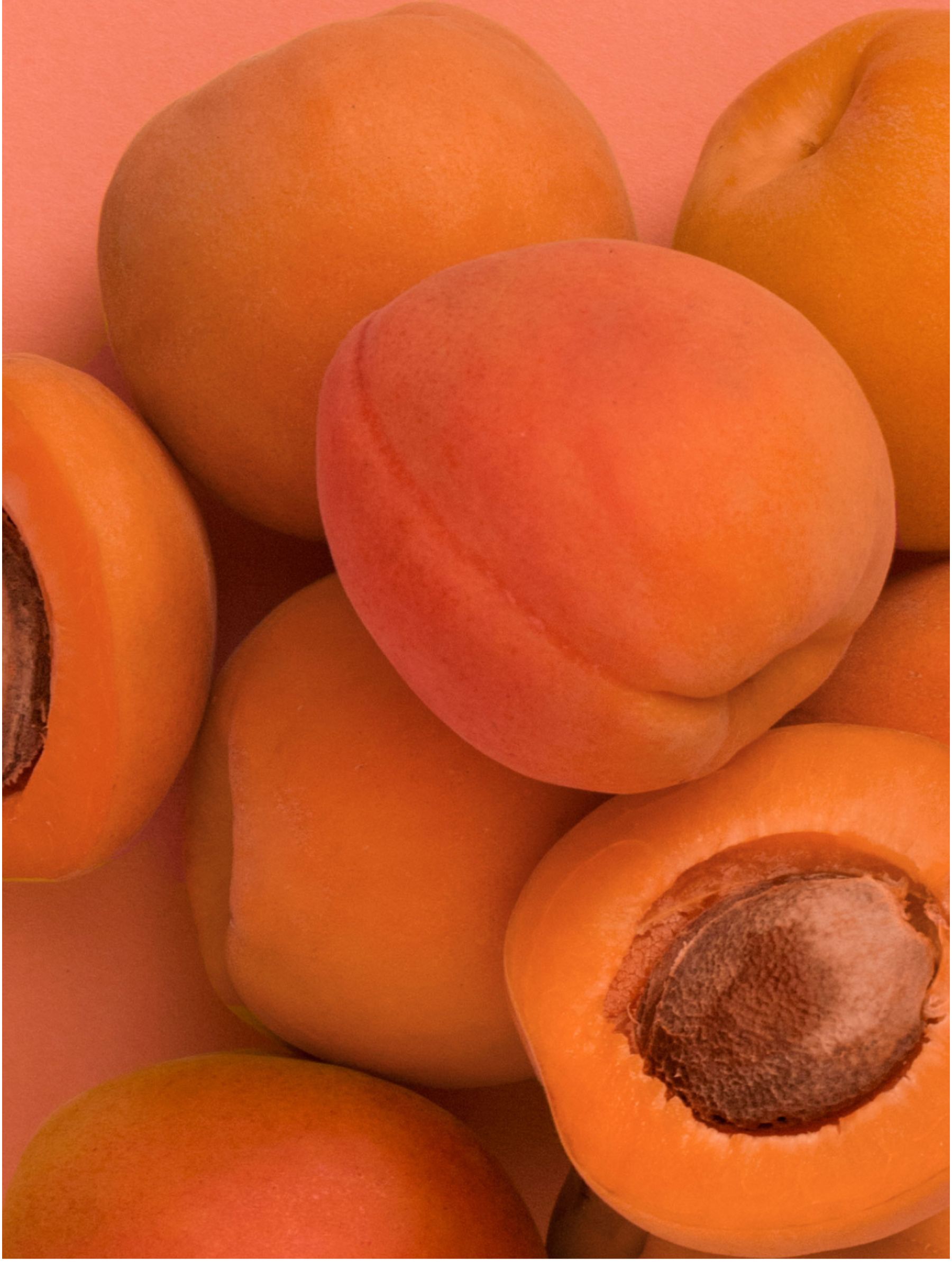
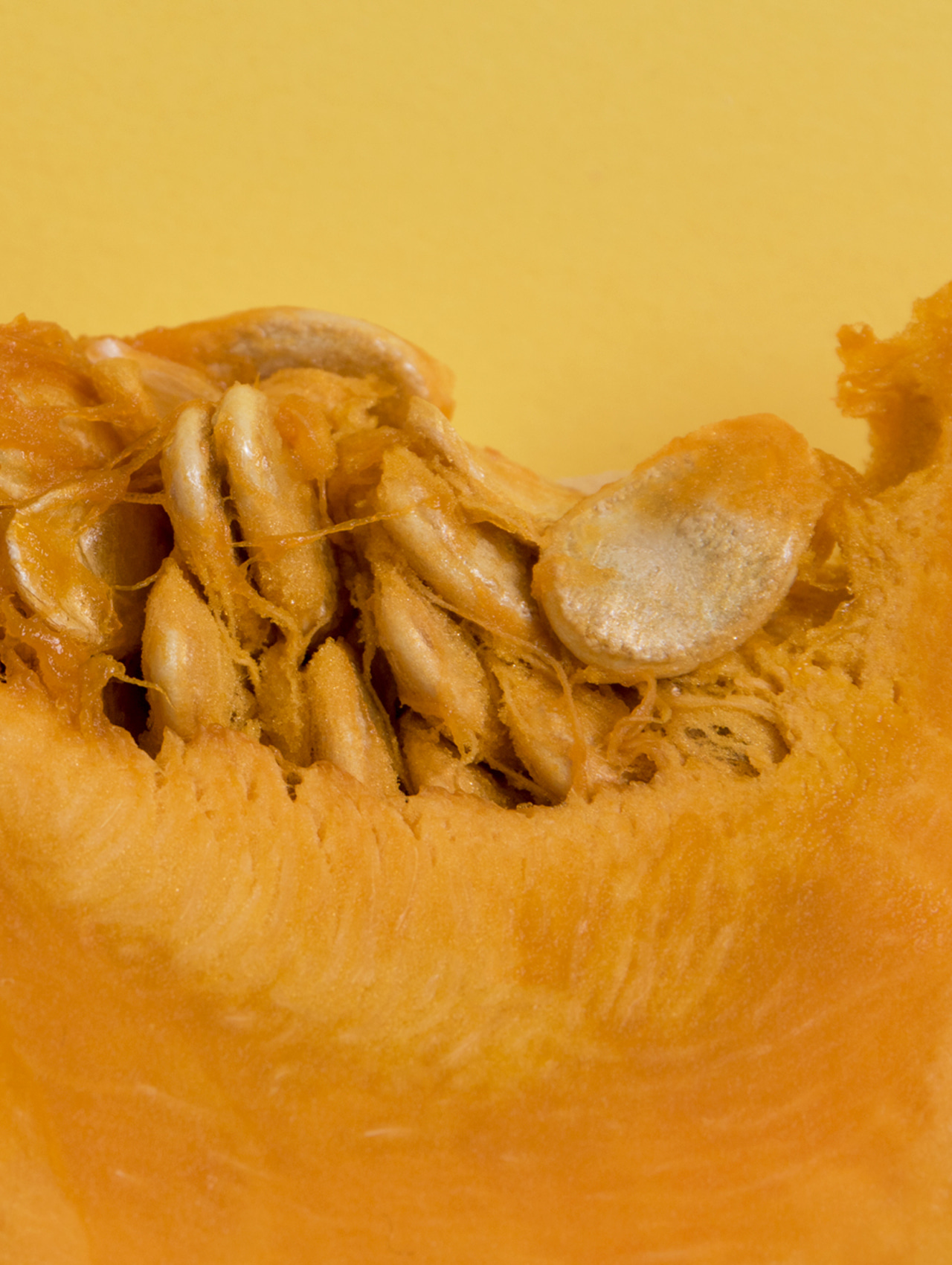
Because soap loses moisture over time and its weight decreases, the weight immediately after manufacture and the standard weight when completely dry are provided together.
When it retains moisture, it is 120g, but after undergoing the drying process, it becomes 100g[1][2].
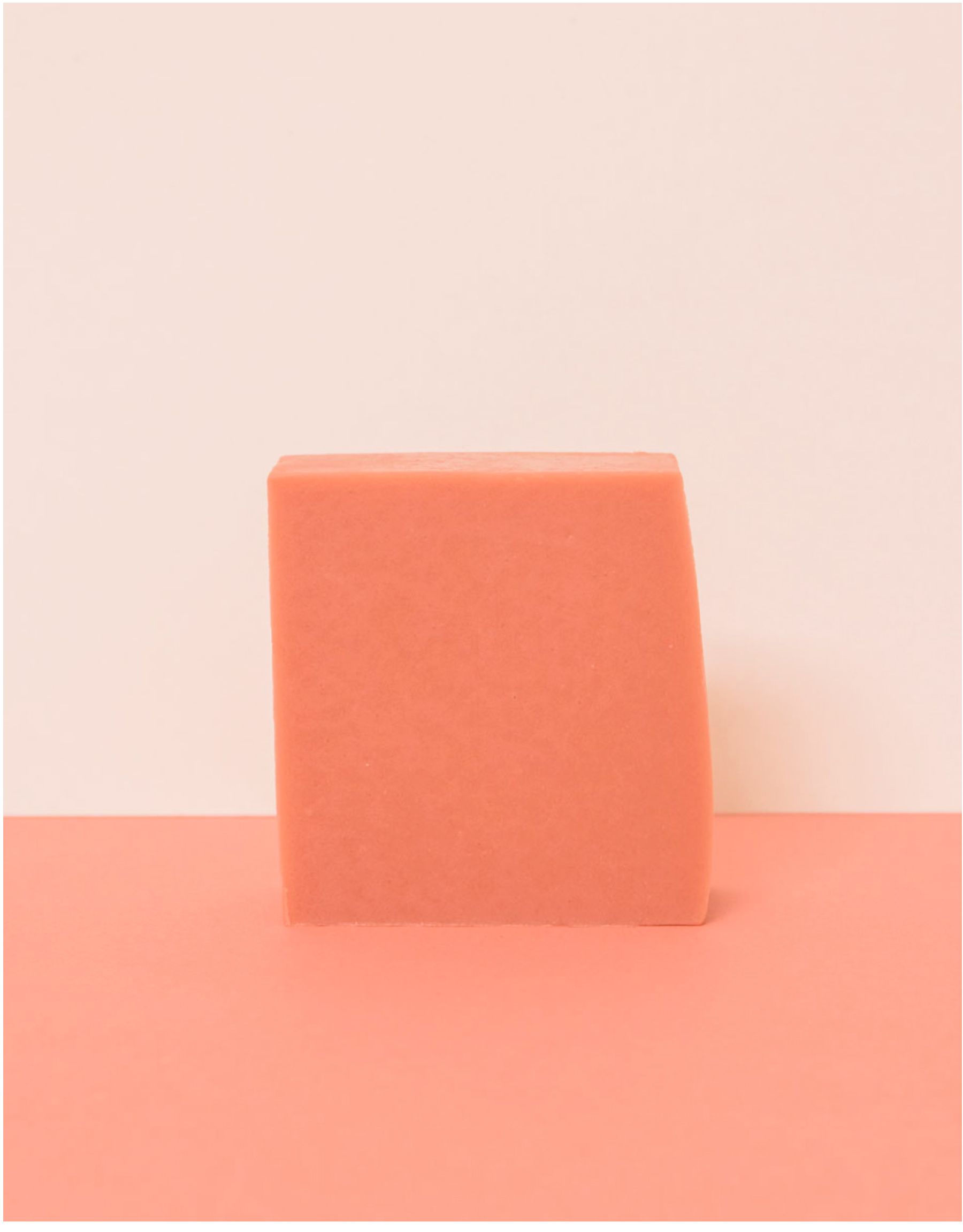
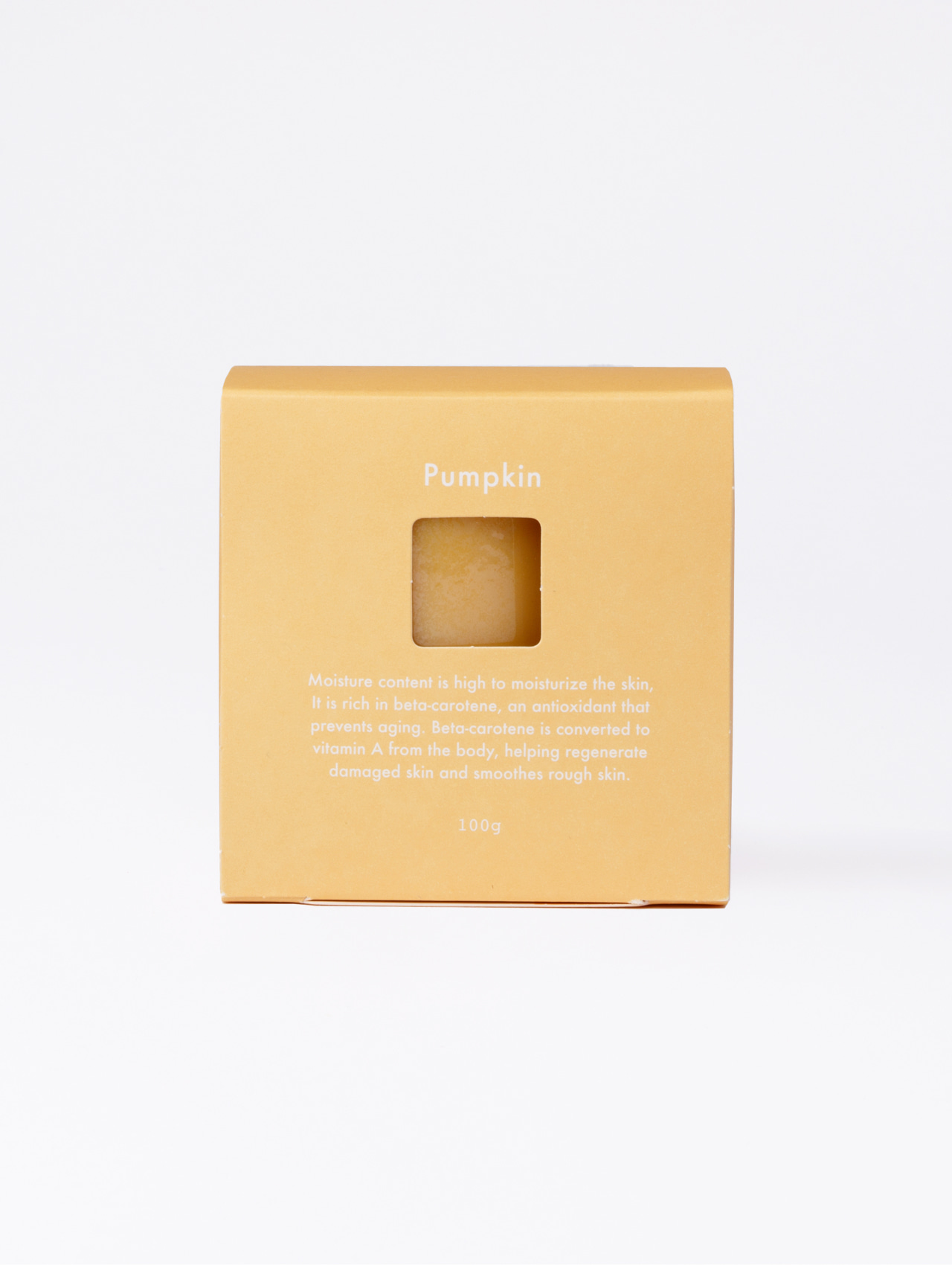
Solid soap uses water during the manufacturing process, and as time passes and it is exposed to the air, moisture naturally evaporates. For this reason, in order to inform about the practical standard that does not change over time, solid soap is required to indicate both the weight when including moisture and the dry weight after moisture has escaped. Hanahzo's apricot soap and pumpkin soap also state both figures side by side as 120g including moisture and 100g dry weight[3][4].
The practical amount of soap you hold in your hand upon opening the package is close to the dry weight of 100g. Even soap that has hardened as moisture escaped can easily become mushy when it comes into contact with water, so placing it on a well-draining soap dish and using it is good for maintaining its shape and using it until the end.
The specific aging and drying period that the soap undergoes to reach its dry weight has not yet been confirmed.
Product measurements
View details
온리원 호박 비누
Other stated figures
| Part | Value |
|---|---|
| 무게 | 100g |